Comprehending the operation process and working principle of sodium hexafluorophosphate powder pneumatic conveying equipment is essential for optimizing material handling in industrial settings. This equipment is engineered to transport sodium hexafluorophosphate, a vital chemical used in pharmaceuticals and battery manufacturing, with precision and efficiency. The system addresses the unique challenges of handling fine powders, such as preventing caking, segregation, or contamination during transport.
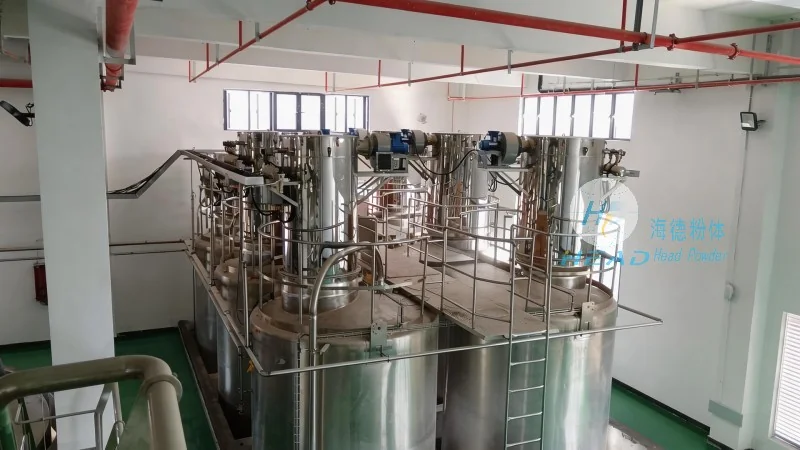
System Overview and Core Components
The pneumatic conveying system for sodium hexafluorophosphate powder typically comprises several key components: a material hopper, a blower or compressor, a pipeline network, and a discharge receiver. The hopper serves as the primary storage and feeding unit, designed to hold the powder and facilitate controlled discharge. The blower or compressor generates the air flow necessary to move the powder through the system. The pipeline network connects the hopper to the discharge point, often incorporating bends, tees, and other fittings to direct the flow. The discharge receiver collects the transported powder, separating it from the air stream.
Working Principle: Fluidization and Suspension
The fundamental working principle of the sodium hexafluorophosphate powder pneumatic conveying equipment is based on fluidization and particle suspension. When air is introduced into the hopper at a controlled pressure and flow rate, it creates a fluidized bed of the powder particles. This fluidization allows individual particles to become suspended in the air stream, enabling them to be transported through the pipeline. The air velocity is critical; it must be sufficient to keep the powder in suspension but not excessively high to cause equipment wear or degrade the powder quality. The system often employs a combination of positive and negative pressure zones to ensure smooth, continuous material transport, minimizing the risk of blockages or material degradation.
Step-by-Step Operation Process
The operation process of the sodium hexafluorophosphate powder pneumatic conveying equipment involves sequential steps:
1. Material Loading: Sodium hexafluorophosphate powder is fed into the hopper from a storage silo or bag. The hopper is equipped with a feeder, such as a rotary valve or screw feeder, to regulate the material flow rate.
2. Air Intake and Compression: The blower or compressor generates a steady air flow, directed into the hopper. The flow rate is adjusted based on the required conveying capacity and the powder's characteristics, including particle size and density.
3. Fluidization and Suspension: As air enters the hopper, it lifts the powder particles, forming a fluidized bed. The air flow continues to suspend the particles, allowing them to travel through the pipeline.
4. Pipeline Transport: The suspended powder-air mixture moves through the pipeline network. The pipeline is constructed from corrosion-resistant materials like stainless steel to withstand the chemical properties of sodium hexafluorophosphate. Properly designed bends and fittings minimize pressure loss and prevent material deposition or blockages. The system may include pulse-jet or rotary airlock valves to regulate flow and maintain consistent pressure.
5. Discharge and Collection: At the receiving end, the powder is separated from the air stream using a cyclone separator or filter. The purified powder is collected in a container or transferred to the next processing stage. The exhaust air is filtered to remove residual powder particles before release.
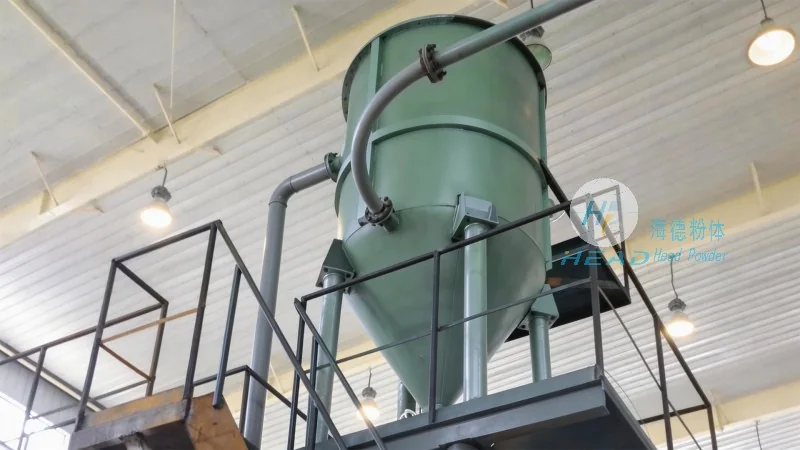
Key Components and Their Functions
Several critical components contribute to the system's efficiency:
Hopper: The hopper is designed with a conical or rectangular shape to ensure uniform material flow and prevent caking. It includes a level indicator and vent to monitor material levels and release accumulated gas.
Blower or Compressor: This component generates the necessary air pressure and flow rate. Positive displacement blowers are suitable for low to medium pressure applications, while centrifugal compressors handle higher pressures. Selection depends on conveying distance and material properties.
Pipeline System: The pipeline network connects the hopper to the discharge point. Its diameter and material are chosen based on the required flow rate and particle size to ensure efficient transport. The system includes fittings to direct flow and maintain pressure.
Receiver: The receiver collects the discharged powder, equipped with a discharge valve to control material flow to subsequent stages.
Advantages of Pneumatic Conveying
Pneumatic conveying offers distinct advantages for sodium hexafluorophosphate powder handling:
1. Non-Contact Handling: The powder is transported without direct contact with mechanical parts, reducing contamination and degradation risks.
2. Uniform Flow: The system ensures consistent, uniform material flow, critical for maintaining product quality and preventing segregation.
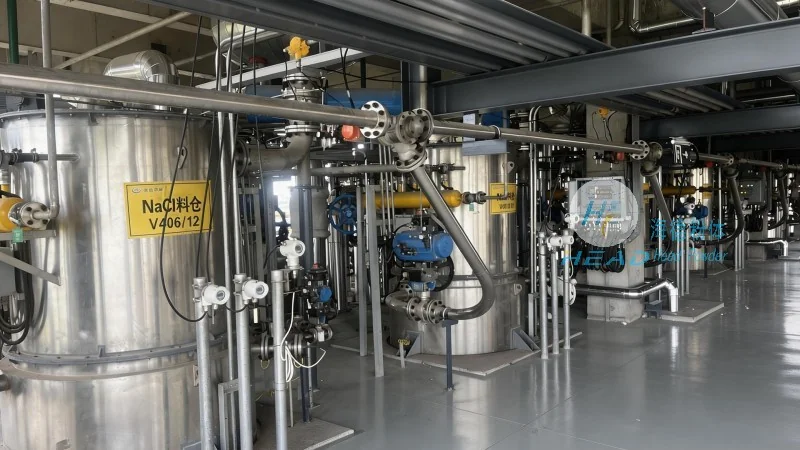
3. Continuous Operation: Pneumatic systems can operate continuously, minimizing downtime and boosting productivity.
4. Flexibility: The system can be easily modified or expanded to accommodate changes in production volume or material specifications.
Operational Considerations and Safety
Effective operation requires attention to several factors:
Material Properties: Understanding the physical and chemical properties of sodium hexafluorophosphate—such as particle size distribution, density, and moisture content—is essential for selecting equipment and operating parameters. Fine powders may need higher air flow rates to maintain suspension.
Air Flow Control: Precise control of air flow rate and pressure is vital to avoid over-suspension (excessive wear) or under-suspension (blockages).
Maintenance: Regular cleaning of the hopper, pipeline, and filters prevents clogging. The blower or compressor requires periodic inspection to avoid breakdowns.
Environmental Compliance: The system must adhere to environmental regulations regarding powder handling and exhaust air filtration to prevent air pollution.
Conclusion
Sodium hexafluorophosphate powder pneumatic conveying equipment is a highly effective solution for transporting this critical chemical in industrial applications. By mastering the operation process and working principle, manufacturers can optimize material handling and enhance productivity. Manufactured by Shandong HeadPowder Engineering Co., Ltd., a leading company in the field, this equipment combines advanced technology with robust design to meet the demanding requirements of the pharmaceutical and battery industries. Based in Shandong, China, the company specializes in engineering solutions tailored to the unique needs of powder processing.




