HeadPowder, a leading manufacturer based in Shandong, China, specializes in the design and production of advanced powder pneumatic conveying systems tailored for the glass industry. These systems are engineered to efficiently transport glass raw materials such as sand, soda ash, limestone, and other powders with precision and reliability. The equipment operates by utilizing air pressure to move materials through pipelines, offering a dust-free, hygienic, and energy-efficient solution for glass manufacturers. This article delves into the operational process and working principles of such equipment, highlighting key components and their functions.
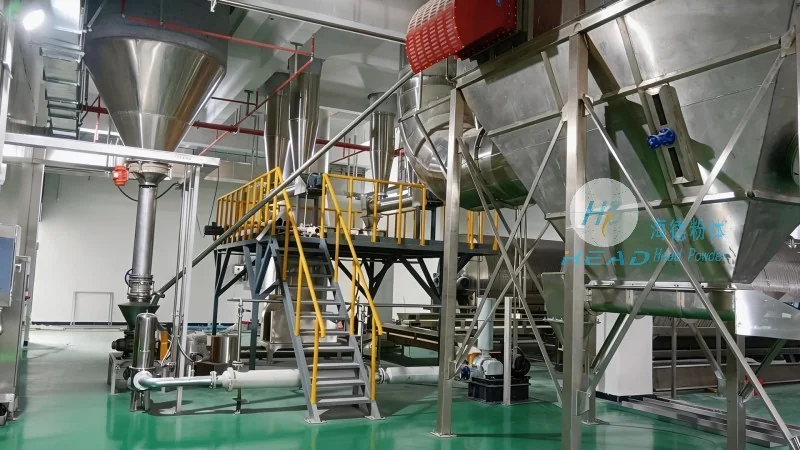
Key Components of the Pneumatic Conveying System
The core components of a typical powder pneumatic conveying system for glass raw materials include the hopper, feeder, air compressor, conveying pipeline, and control system. The hopper serves as the storage container for raw materials, ensuring a consistent supply. The feeder, often a rotary valve or screw feeder, regulates the flow of material into the system. The air compressor generates the necessary air pressure to move the powder through the pipeline. The conveying pipeline, usually made of stainless steel or other corrosion-resistant materials, transports the material from the hopper to the processing unit. The control system monitors and adjusts the air pressure, flow rate, and material feed to maintain optimal operation.
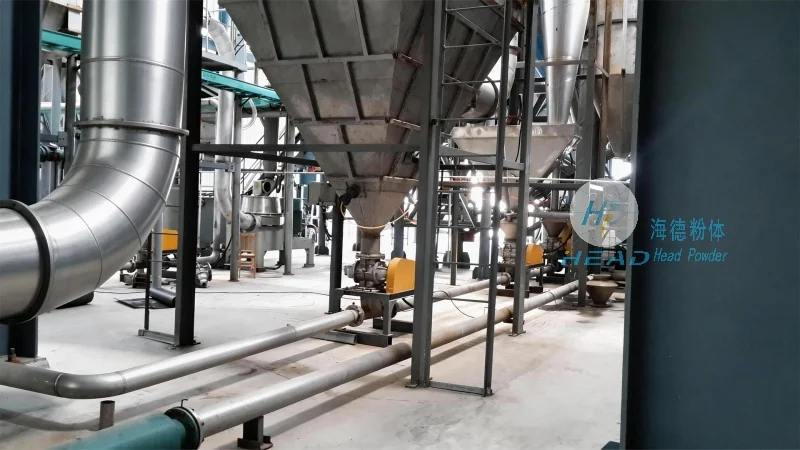
Operation Process of the Powder Pneumatic Conveying Equipment
The operation process of the powder pneumatic conveying equipment for glass raw materials involves several sequential steps. First, raw materials are loaded into the hopper. The feeder then starts to discharge the material at a controlled rate. Simultaneously, the air compressor activates and generates high-pressure air. This air is introduced into the conveying pipeline, creating a flow that pulls the powder particles along. The material is carried through the pipeline by the air stream, reaching the processing unit where it is used in the glass manufacturing process. The system continuously monitors the pressure and flow to ensure stable operation, with adjustments made as needed to maintain the desired material throughput.
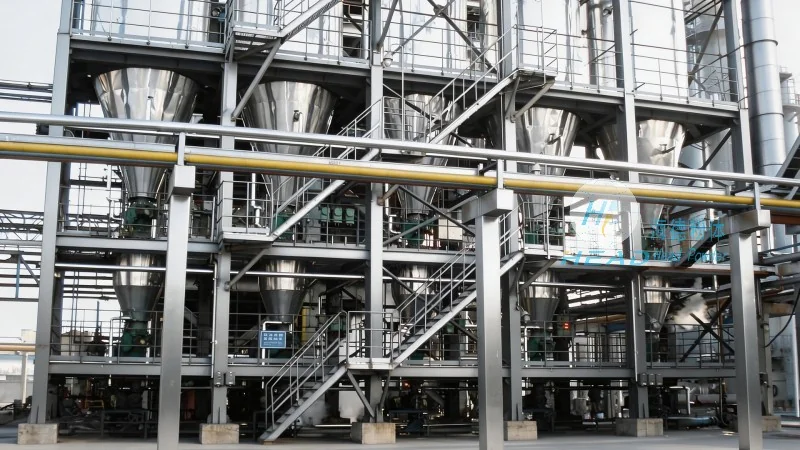
Working Principle of the Pneumatic Conveying System
The working principle of the powder pneumatic conveying system relies on the interaction between air and solid particles. In a positive pressure system, the air compressor supplies compressed air into the pipeline, creating a pressure higher than the ambient air. This pressure difference forces the air and powder mixture to move through the pipeline. The air acts as a carrier, suspending the powder particles and transporting them efficiently. The velocity of the air is critical; it must be sufficient to keep the particles suspended but not so high as to cause excessive wear on the pipeline or equipment. The system also incorporates features like cyclone separators or filters to separate the powder from the air at the receiving end, ensuring that the material is delivered to the processing unit without contamination.
Advantages of Using Pneumatic Conveying Equipment for Glass Raw Materials
Implementing powder pneumatic conveying equipment for glass raw materials offers several advantages. Firstly, it provides a dust-free and hygienic environment, which is crucial for maintaining product quality and meeting regulatory standards. Secondly, the system is highly efficient in terms of energy consumption compared to traditional methods like bucket elevators or belt conveyors. Thirdly, it allows for precise control over material flow, reducing waste and improving process consistency. Additionally, the equipment is compact and can be integrated into existing production lines with minimal modifications. These benefits make pneumatic conveying an ideal choice for modern glass manufacturing facilities seeking to enhance operational efficiency and product quality.
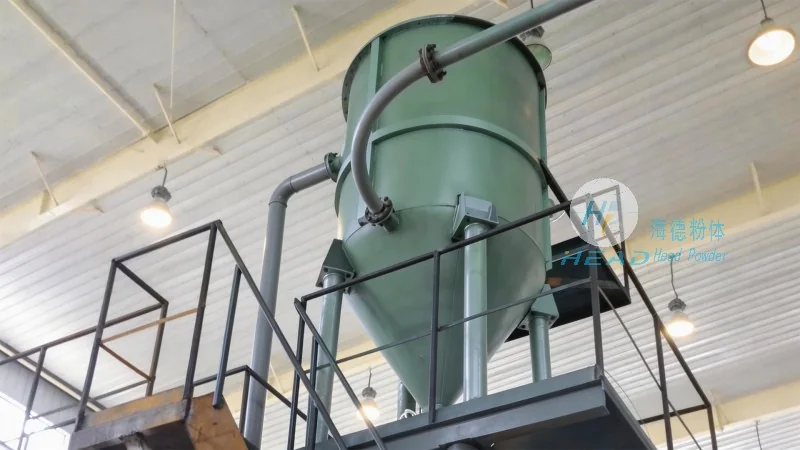
Conclusion and Company Overview
HeadPowder Engineering Co., Ltd., based in Shandong, China, is a trusted provider of advanced powder pneumatic conveying systems for the glass industry. By leveraging cutting-edge technology and rigorous engineering, the company ensures that its equipment meets the highest standards of performance and reliability. The operation process and working principles outlined above demonstrate the efficiency and effectiveness of these systems in transporting glass raw materials. For glass manufacturers seeking to optimize their production processes, HeadPowder offers tailored solutions that enhance productivity, reduce costs, and improve overall operational performance.




