Grain powder pneumatic conveying lines represent a sophisticated and efficient method for transporting bulk materials, particularly grains and various powders, across industrial facilities. These systems leverage the power of compressed air to move material from a source point to a destination, offering significant advantages over traditional mechanical conveying methods. The primary benefits include reduced dust exposure, enhanced safety for operators, and the ability to handle materials that are prone to clogging or degradation when handled mechanically. In industries such as agriculture, food processing, and chemical manufacturing, where hygiene and material integrity are paramount, pneumatic conveying lines have become an indispensable component of material handling operations.
Key Components and Their Functions
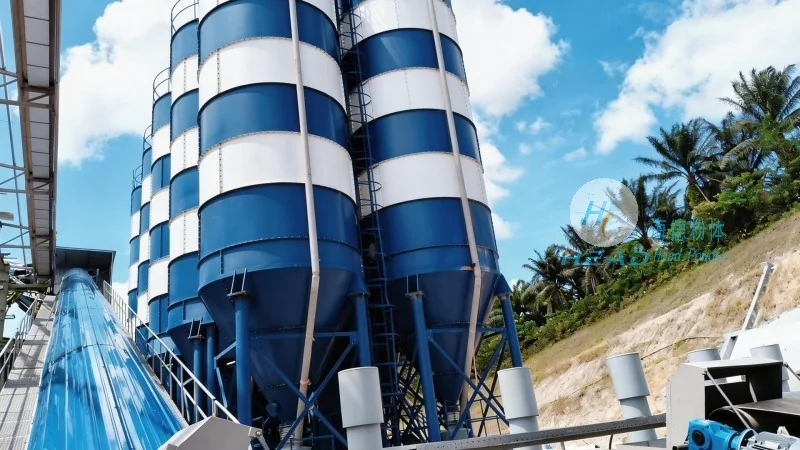
The effective operation of a grain powder pneumatic conveying line relies on a well-integrated set of components, each with a specific role in the overall system. The material hopper serves as the storage and feeding unit, ensuring a consistent supply of material to the conveying line. It is typically equipped with a discharge valve or feeder to regulate the flow rate of the material. The air compressor or blower is the heart of the system, generating the necessary pressure and airflow to transport the material. This component can be a positive displacement blower or a centrifugal compressor, chosen based on the system's capacity and pressure requirements. The conveying line itself is a critical element, often constructed from stainless steel or flexible tubing, to withstand the abrasive nature of grain particles and maintain a sanitary environment. Control valves, such as air dampers or solenoid valves, are used to regulate airflow and prevent backflow, while filters and dust collectors are essential for maintaining air quality and preventing contamination. The receiving hopper or silo is where the material is deposited, and it may include features like level sensors to monitor the material inventory.
Step-by-Step Operation Process
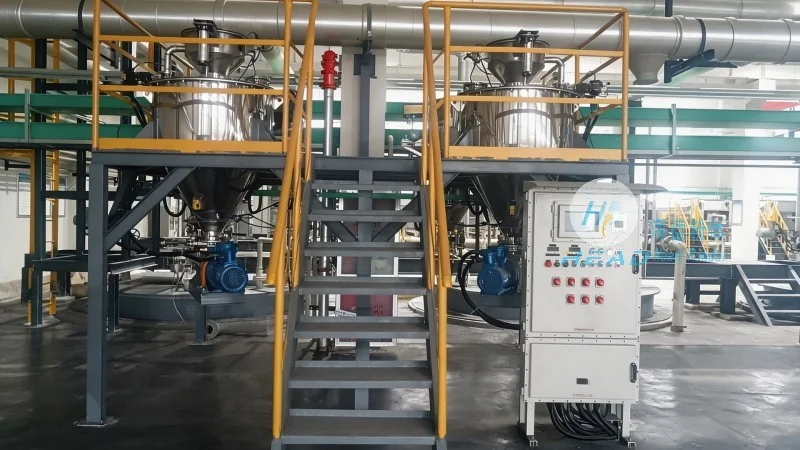
The operation of a grain powder pneumatic conveying line follows a systematic sequence of steps, ensuring efficient and reliable material transport. The process begins with the preparation of the system, where the material hopper is filled with the grain or powder. The air compressor is then started, and the control system adjusts the airflow to the desired level. Once the system is pressurized, the material feeder is activated, allowing the material to enter the conveying line. The compressed air, moving at a high velocity, lifts and carries the particles forward through the pipeline. The material travels to the receiving hopper, where it is deposited. The control system continuously monitors key parameters such as pressure, flow rate, and material level, adjusting the air supply as needed to maintain optimal performance. In positive pressure systems, the air is pushed through the line, while negative pressure systems use suction to draw material into the line. The system may also include a shutdown sequence to prevent damage or contamination when not in use, such as closing the air supply and emptying the hopper.
Working Principle Explained
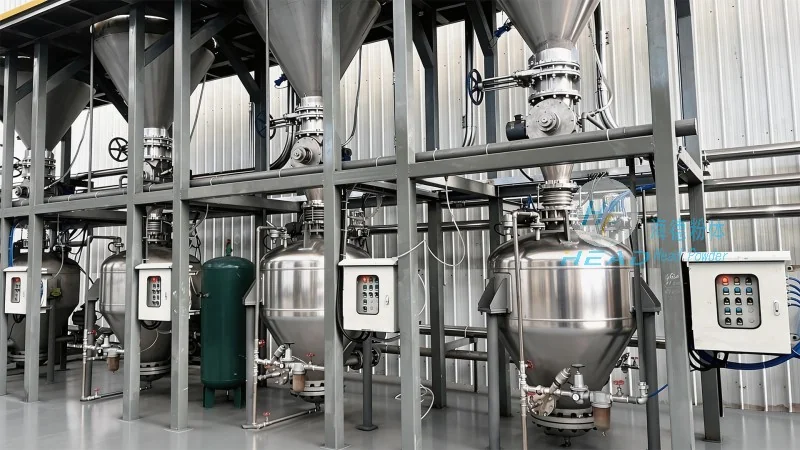
The working principle of grain powder pneumatic conveying lines is rooted in fluid dynamics and the behavior of particulate matter in a gas stream. When air is introduced into the conveying line at a velocity exceeding the terminal velocity of the particles, the particles become suspended and are carried along with the airflow. The key to efficient conveying lies in maintaining a consistent air velocity that is sufficient to keep the particles in suspension but not so high as to cause excessive wear or energy consumption. The system's design must account for the specific characteristics of the material being handled, including particle size, density, and moisture content. For example, fine powders may require higher air velocities to prevent clogging, while larger grains may need lower velocities to avoid excessive pressure drops. The interaction between the air and particles is governed by the Reynolds number and the particle Reynolds number, which determine whether the flow is laminar or turbulent. In turbulent flow, the particles are more effectively suspended, leading to better conveying performance. The system's efficiency is also influenced by the length and diameter of the conveying line, as well as the number and type of bends or fittings, which can cause pressure losses and affect the overall flow rate.
Company Profile: Shandong HeadPowder Engineering Co., Ltd.
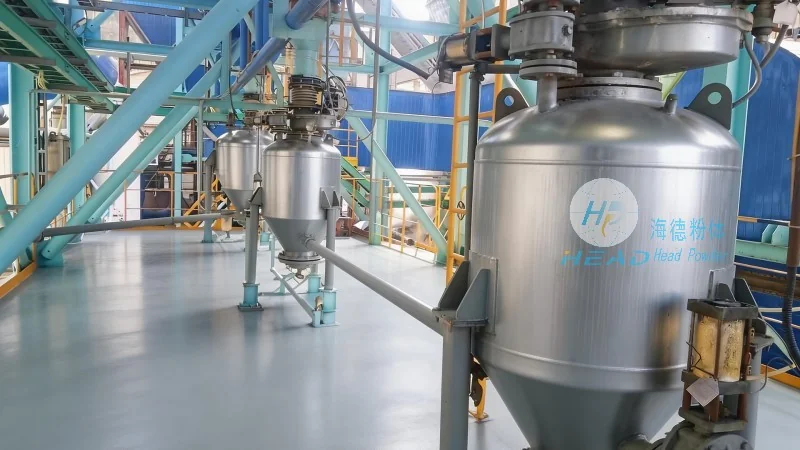
Shandong HeadPowder Engineering Co., Ltd., operating under the brand name HeadPowder, is a prominent manufacturer specializing in the engineering and implementation of grain powder pneumatic conveying systems. With a strong presence in the Chinese market and a growing international reputation, HeadPowder has built a reputation for delivering high-quality, customized solutions that meet the diverse needs of clients across various industries. The company's headquarters is located in Shandong, China, where it leverages advanced manufacturing facilities and a team of experienced engineers to develop and produce its products. HeadPowder's commitment to innovation is evident in its use of cutting-edge technology, including computer-aided design (CAD) and simulation tools, to optimize system performance and ensure reliability. The company adheres to international standards such as ISO 9001 for quality management, ensuring that its products meet the highest industry benchmarks. HeadPowder's customer-centric approach involves working closely with clients to understand their specific requirements, providing technical support during the design phase, and offering after-sales service to ensure long-term system performance. By combining technical expertise with a focus on customer satisfaction, HeadPowder has established itself as a trusted partner for businesses seeking efficient and reliable material handling solutions.




