HeadPowder, a leading provider in the field of powder handling and material transportation, specializes in the design, manufacturing, and installation of advanced pneumatic conveying systems. This article focuses on the operation process and working principle of a sodium chlorate powder pneumatic conveying line, a critical equipment used in various industrial applications where efficient and safe powder transport is essential.
Introduction to Sodium Chlorate Powder Pneumatic Conveying Line
Sodium chlorate is a white crystalline powder commonly used as an oxidizing agent in industries such as chemical manufacturing, paper production, and water treatment. The pneumatic conveying line for sodium chlorate powder is engineered to handle this hazardous material with precision, ensuring minimal dust generation, stable flow, and compliance with safety regulations. HeadPowder, based in Shandong, China, has extensive experience in developing customized solutions tailored to the unique requirements of sodium chlorate handling processes.
Key Components of the Pneumatic Conveying System
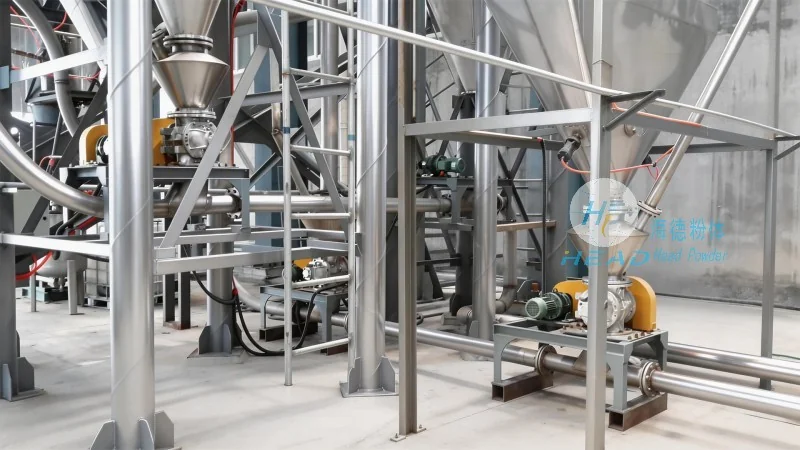
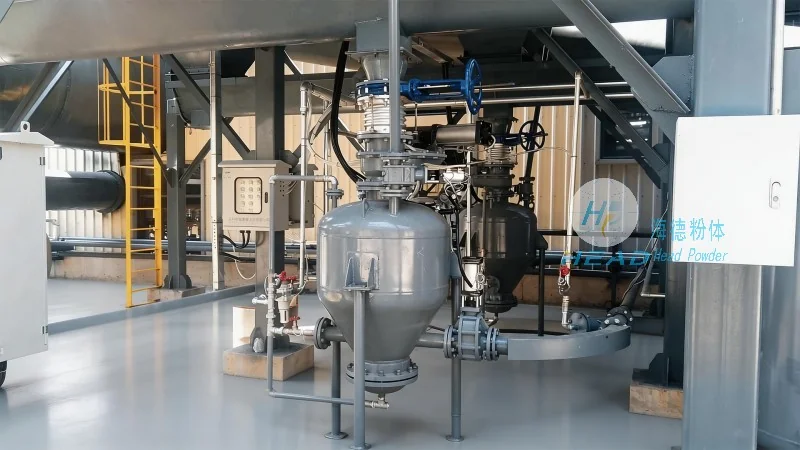
The sodium chlorate powder pneumatic conveying line typically consists of several key components that work in tandem to achieve efficient material transport. These components include the hopper for material storage, a rotary valve for controlled discharge, a conveying pipeline network, a blower or air compressor to generate the conveying air, and a receiver for the discharged material. Each component plays a crucial role in maintaining the integrity and safety of the sodium chlorate powder during the conveying process.
Operation Process of the Pneumatic Conveying Line
The operation of the sodium chlorate powder pneumatic conveying line begins with the loading of sodium chlorate powder into the storage hopper. The rotary valve then regulates the flow of powder from the hopper into the conveying pipeline. Simultaneously, the blower generates a high-velocity air stream that pulls the powder particles into the pipeline. As the powder travels through the pipeline, it is suspended and transported to the receiving hopper or destination point. The air and powder mixture is then separated in the receiver, where the powder is collected and the air is either filtered or released, depending on the system design. The entire process is automated and controlled to ensure consistent and reliable powder transport, minimizing downtime and operational risks.
Working Principle of the Pneumatic Conveying System
The working principle of the sodium chlorate powder pneumatic conveying line is based on the principle of pneumatic transport, where the material is conveyed using a gas (air) as the conveying medium. The system operates under positive pressure or negative pressure, depending on the application. In a positive pressure system, the blower supplies air into the pipeline, creating a pressure differential that pushes the powder forward. In a negative pressure system, the blower draws air out of the pipeline, creating a vacuum that pulls the powder into the line. For sodium chlorate powder, a positive pressure system is often preferred due to the material's hygroscopic nature and the need to prevent moisture absorption during transport. The air velocity in the pipeline is carefully controlled to ensure that the powder particles are fully suspended without causing excessive wear on the pipeline or equipment. The system also incorporates features such as pulse-jetting or cyclone separators to maintain system efficiency and prevent blockages.
Advantages of Using a Pneumatic Conveying Line for Sodium Chlorate
Implementing a pneumatic conveying line for sodium chlorate powder offers several advantages over traditional methods like bucket elevators or belt conveyors. Firstly, it provides a dust-free and enclosed transport system, which is crucial for handling hazardous materials like sodium chlorate, as it reduces the risk of dust explosions and exposure to workers. Secondly, the system offers high flexibility in terms of layout and material routing, allowing for multiple destinations and complex process integration. Thirdly, it minimizes material degradation and contamination, ensuring the quality of the sodium chlorate powder remains intact throughout the transport process. Additionally, the automated operation reduces labor costs and improves overall process efficiency, making it a cost-effective solution for large-scale sodium chlorate handling applications.
Safety and Compliance Considerations
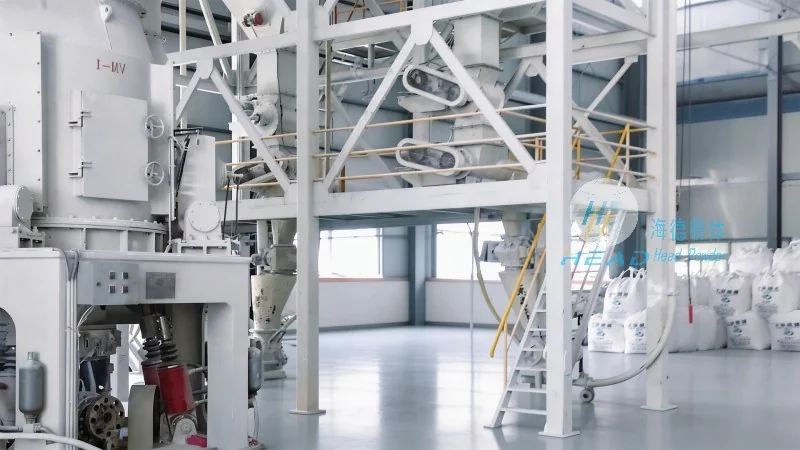
Given the hazardous nature of sodium chlorate, the pneumatic conveying line must adhere to stringent safety and compliance standards. HeadPowder ensures that all systems are designed and manufactured in accordance with international safety regulations, including explosion-proof designs for the blower and pipeline components. The system incorporates features such as pressure relief valves, dust collection systems, and emergency shut-off mechanisms to prevent accidents and protect personnel. Regular maintenance and inspection protocols are also in place to ensure the system operates within safe parameters and meets all regulatory requirements. By prioritizing safety, HeadPowder provides reliable and compliant solutions for sodium chlorate powder handling, giving clients peace of mind in their industrial operations.
Customization and Application Flexibility
HeadPowder understands that each industrial application has unique requirements, and therefore, offers customized pneumatic conveying solutions for sodium chlorate powder. The company works closely with clients to assess their specific needs, including material flow rates, distance, and destination points, to design a system that optimizes performance and cost. Whether it's a short-distance transport within a facility or a long-distance transfer between sites, HeadPowder's engineers can develop a tailored solution that meets the client's operational goals. The company also provides post-installation support and maintenance services to ensure the system continues to operate efficiently over its lifespan. This customization approach allows clients to benefit from a system that is perfectly aligned with their production processes, enhancing overall productivity and safety.
Conclusion
The sodium chlorate powder pneumatic conveying line is a sophisticated and essential equipment in modern industrial operations, providing efficient, safe, and reliable transport of this hazardous material. HeadPowder, with its expertise and commitment to quality, offers comprehensive solutions that cover the entire lifecycle of the system, from design and manufacturing to installation and maintenance. By leveraging advanced technology and adhering to strict safety standards, HeadPowder ensures that clients can handle sodium chlorate powder with confidence, optimizing their production processes while maintaining the highest levels of safety and compliance.




