Understanding the operation process and working principle of a dry pebble powder pneumatic conveying line is crucial for optimizing material handling efficiency in various industrial applications. This article provides a detailed overview of the system's functionality, emphasizing the technical aspects and operational steps involved in the conveying process.
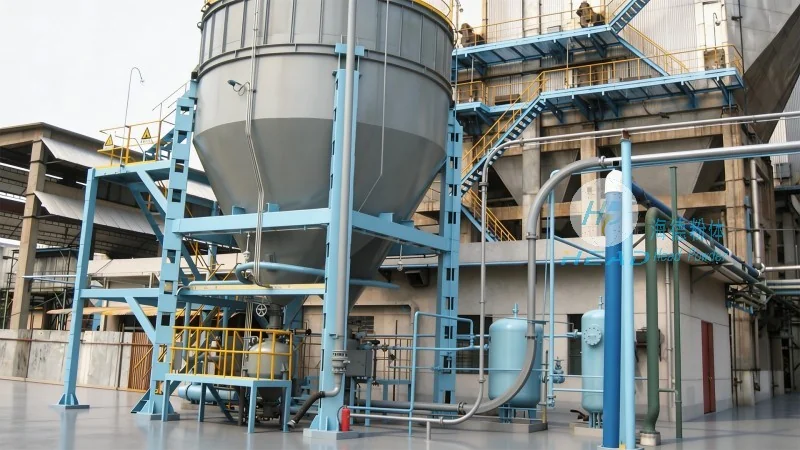
Introduction to Dry Pebble Powder Pneumatic Conveying Systems
A dry pebble powder pneumatic conveying line is a specialized system designed to transport dry powders, such as pebbles or fine particulate materials, through a pipeline using compressed air. The technology offers a cost-effective and efficient solution for moving bulk materials over short to medium distances, eliminating the need for traditional mechanical conveying methods like belt conveyors or screw conveyors. The system is particularly suitable for applications where dust control, hygiene, and product integrity are critical, such as in the food, pharmaceutical, and chemical industries.
Key Components of the Pneumatic Conveying Line
The dry pebble powder pneumatic conveying line consists of several essential components that work in tandem to ensure smooth material transport. These components include the material hopper, which serves as the storage and feeding unit; the air compressor or blower, which generates the necessary pressure to move the material; the pipeline system, which forms the path for material and air flow; the control valves and regulators, which manage the air pressure and flow rate; and the discharge hopper or collection unit, where the material is deposited at the destination.
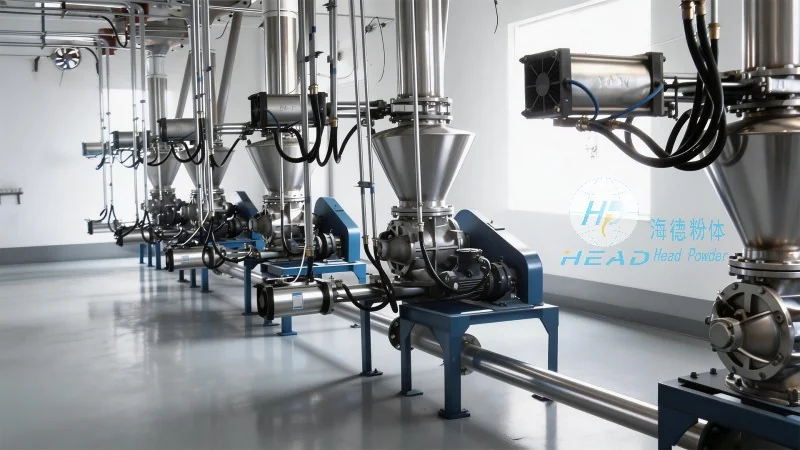
Working Principle of the Pneumatic Conveying Process
The operation of the dry pebble powder pneumatic conveying line follows a systematic process. Initially, the dry pebbles are fed into the material hopper from a storage silo or bulk container. The material is then released into the pipeline through a feeder, such as a rotary valve or a star valve, which controls the flow rate. Simultaneously, the air compressor supplies compressed air into the pipeline, creating a pressure differential that propels the material forward. As the air and material mix, the pebbles are carried along the pipeline by the air stream, maintaining a consistent flow rate. The system uses either a positive pressure or negative pressure (vacuum) method, depending on the application requirements. In positive pressure systems, air is forced through the pipeline, while in negative pressure systems, air is drawn out of the pipeline, creating a vacuum that pulls the material.
Operation Process: Step-by-Step Guide
The operation process of the dry pebble powder pneumatic conveying line can be broken down into several key steps:
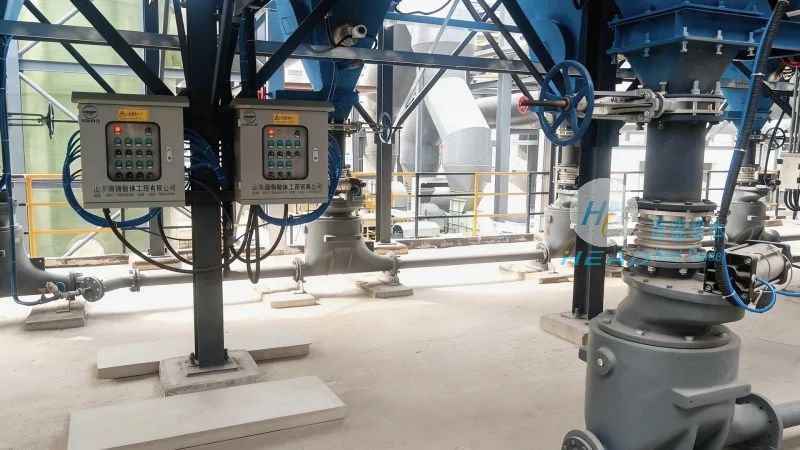
- Material Loading: The dry pebbles are loaded into the material hopper from the source storage. The hopper is equipped with a level indicator to monitor the material level, ensuring a consistent feed rate.
- Air Supply Initiation: The air compressor is started, and the air pressure is adjusted to the required level. The control system monitors the pressure and adjusts the blower speed to maintain the optimal pressure for material transport.
- Material Feeding: The feeder valve opens, allowing the dry pebbles to enter the pipeline. The flow rate is controlled by adjusting the feeder speed or the valve opening, ensuring that the material is conveyed at a steady rate without causing blockages or excessive pressure drops.
- Conveying and Transport: The compressed air pushes the material through the pipeline, maintaining a consistent flow. The pipeline is designed with appropriate bends and elbows to minimize pressure loss and ensure smooth material movement. The system may include intermediate silos or collection hoppers to store the material during transport or for further processing.
- Discharge and Collection: At the destination, the material is discharged from the pipeline into the collection hopper. The air flow continues until all material is emptied, and then the system is prepared for the next cycle. The discharge hopper is equipped with a level sensor to indicate when the hopper is full, triggering the system to stop feeding.
Advantages of Dry Pebble Powder Pneumatic Conveying Lines
Implementing a dry pebble powder pneumatic conveying line offers several advantages over traditional conveying methods. These benefits include:
- Efficient Material Transport: The system provides a high-capacity and continuous material transport, reducing downtime and increasing production efficiency.
- Minimal Maintenance: The absence of moving parts in the pipeline reduces wear and tear, leading to lower maintenance costs and longer system lifespan.
- Dust Control: The enclosed pipeline system effectively controls dust emissions, improving workplace safety and compliance with environmental regulations.
- Product Integrity: The system prevents material contamination and degradation, ensuring that the dry pebbles maintain their quality and properties throughout the conveying process.
- Space Efficiency: The compact design of the pneumatic conveying line allows for installation in limited spaces, making it suitable for facilities with restricted layout.
Applications and Industries
Dry pebble powder pneumatic conveying lines are widely used in various industries due to their versatility and efficiency. Common applications include:
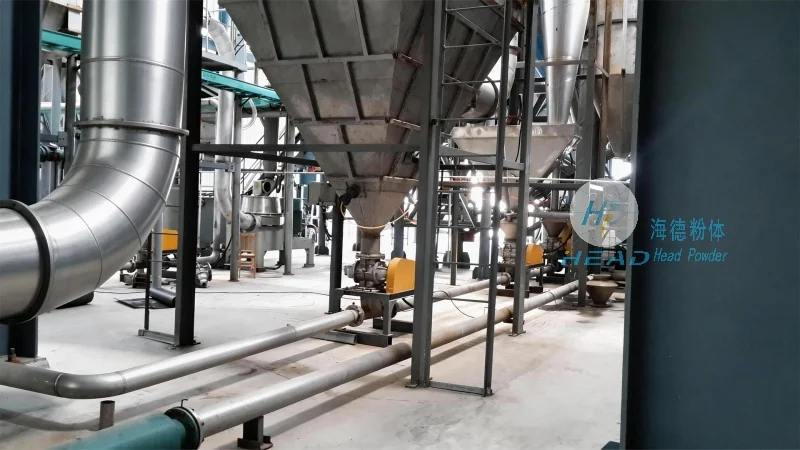
- Food and Beverage Industry: Transporting dry ingredients like grains, powders, and spices in food processing plants.
- Pharmaceutical Industry: Conveying active pharmaceutical ingredients (APIs) and excipients in pharmaceutical manufacturing, where product purity and hygiene are paramount.
- Chemical Industry: Moving dry chemicals, pigments, and additives in chemical processing facilities.
- Mineral and Mining Industry: Transporting crushed minerals, ores, and pebbles from processing plants to storage or further processing units.
- Plastics and Rubber Industry: Conveying dry plastic resins, rubber powders, and additives in manufacturing processes.
Company Overview: Shandong HeadPowder Engineering Co., Ltd.
Shandong HeadPowder Engineering Co., Ltd., operating under the brand name headpowder, is a leading manufacturer and supplier of pneumatic conveying systems and related industrial equipment. With a strong commitment to innovation and quality, the company specializes in designing and manufacturing customized dry pebble powder pneumatic conveying lines tailored to the specific needs of various industries. Headpowder's team of experienced engineers and technicians utilizes advanced technology and rigorous quality control measures to ensure that each system meets the highest standards of performance and reliability.
Conclusion
The dry pebble powder pneumatic conveying line is a sophisticated and efficient solution for transporting dry powders in industrial settings. By understanding the operation process and working principle of the system, businesses can optimize their material handling operations, improve productivity, and enhance product quality. With the expertise and experience of companies like Shandong HeadPowder Engineering Co., Ltd., industries can benefit from reliable and cost-effective pneumatic conveying solutions that meet their specific requirements and operational needs.




