Operation Process and Working Principle of PVC Powder Pneumatic Conveying Line
Release time:2026-09-21 07:01:45
name of the company:Shandong Headpowder Engineering Co., Ltd.
telephone:156-6277-7102
contacts:Zhang manager
For industrial applications involving the transport of polyvinyl chloride (PVC) powder, a pneumatic conveying line offers an efficient and reliable solution. This system is designed to handle the material's characteristics, ensuring safe and effective movement from the source to the destination. The following sections will detail the operation process and working principle of such a system, highlighting key components and the step-by-step procedures involved.
Introduction to PVC Powder Pneumatic Conveying Systems
Polyvinyl chloride (PVC) is a widely used thermoplastic polymer in various industries, including construction, manufacturing, and packaging. When in powder form, PVC requires specialized handling due to its fine particle size and potential for static charge accumulation. A pneumatic conveying line addresses these challenges by utilizing air as the conveying medium, eliminating the need for mechanical components like belts or screws that might cause contamination or material degradation. The system is engineered to maintain the material's integrity while ensuring efficient transport, making it a preferred choice for many industrial processes.
Key Components of the Pneumatic Conveying Line
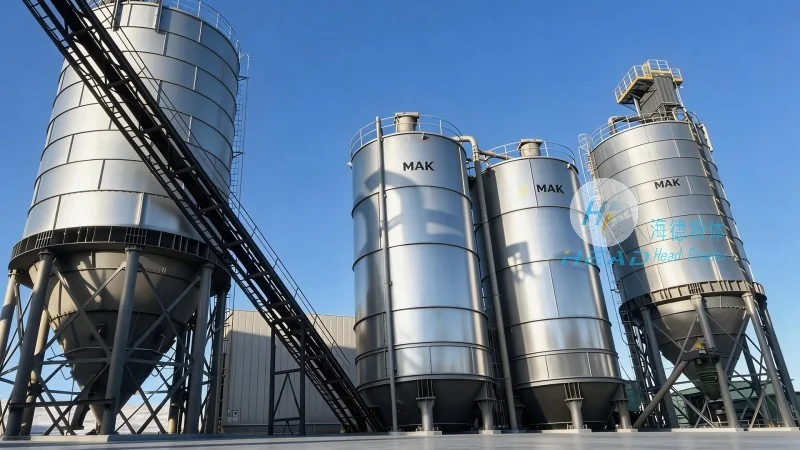
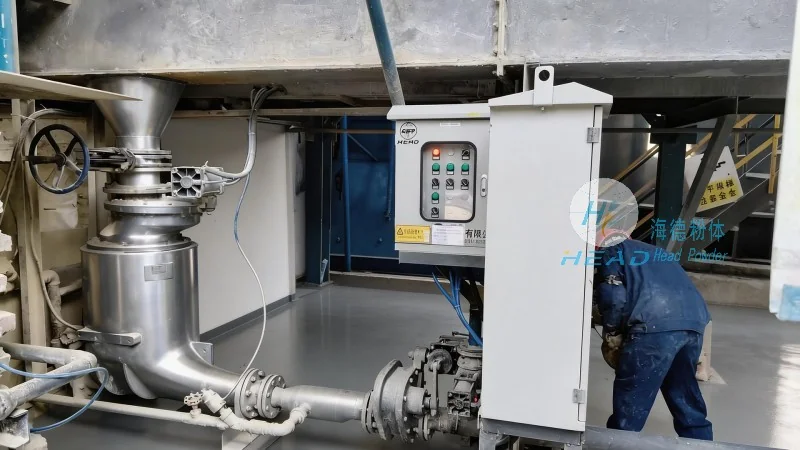
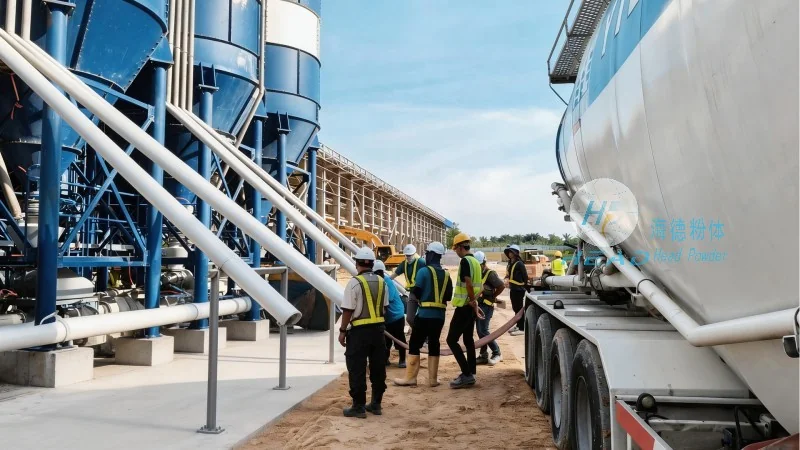
The PVC powder pneumatic conveying line consists of several critical components that work in tandem to achieve the desired transport. These include the material hopper, air compressor, conveying pipes, control valves, and a receiver or discharge unit. Each component plays a vital role in the overall operation:




