HeadPowder, a leading manufacturer based in Shandong, China, specializes in advanced pneumatic conveying solutions for industrial applications. The company's flagship product, the tonne bag breakage material pneumatic conveying machine, is designed to efficiently handle bulk materials that have been packaged in large bags, ensuring seamless material transfer from storage to processing units.
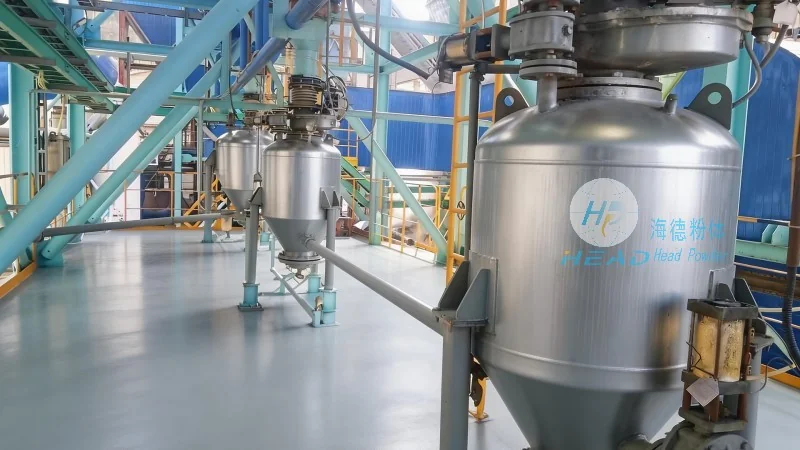
Product Overview: Tonne Bag Breakage Material Pneumatic Conveying Machine
The tonne bag breakage material pneumatic conveying machine from HeadPowder is engineered to address the challenges of handling bulk materials that are typically stored in large, heavy-duty bags. This equipment is specifically tailored for industries such as chemicals, food processing, and mining, where the need to break open bags and convey the contents efficiently is critical. The machine integrates a robust bag opening mechanism with a high-performance pneumatic conveying system, enabling operators to process large volumes of material with minimal manual intervention.
Working Principle of the Pneumatic Conveying System
The core of the tonne bag breakage material pneumatic conveying machine is its pneumatic conveying system, which operates on the principle of air movement to transport bulk materials. The process begins with the bag opening unit, which uses mechanical or pneumatic force to break open the tonne bag and release the material into a hopper. From there, the material is fed into the conveying line through a series of components, including a rotary valve or feeder, which controls the flow rate. The conveying air, typically supplied by a high-pressure blower or fan, creates a pressure differential that propels the material through the pipeline. The system may use either positive or negative pressure, depending on the application requirements. The material is then discharged at the destination point, where it can be further processed or stored.
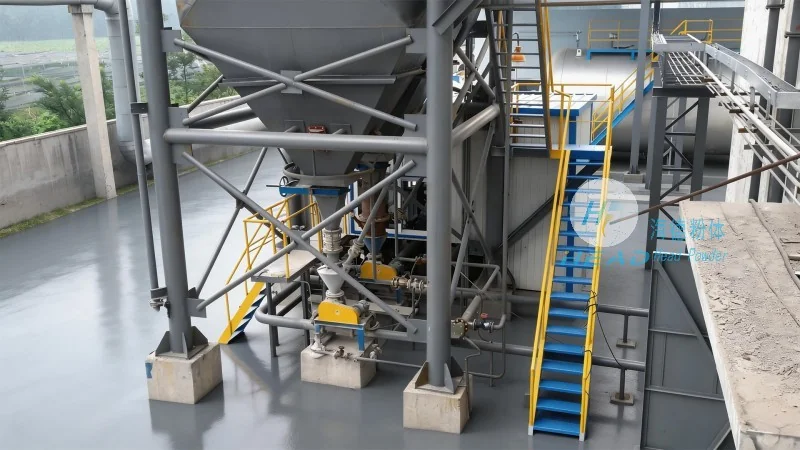
Key Components and Their Functions
The tonne bag breakage material pneumatic conveying machine consists of several key components, each playing a vital role in the overall operation. The bag opening unit is responsible for breaking open the tonne bag and releasing the material. This component may include a cutting blade, a pneumatic actuator, or a combination of both, depending on the material's properties. The hopper is designed to collect the material from the bag and feed it into the conveying system. It is typically equipped with a discharge valve to control the material flow. The rotary valve or feeder ensures a consistent and controlled flow of material into the conveying line. The blower or fan provides the necessary air pressure to move the material through the pipeline. The pipeline itself is made of durable materials, such as stainless steel or plastic, to withstand the abrasive nature of the bulk materials. The discharge unit at the end of the pipeline collects the material and directs it to the next processing stage.
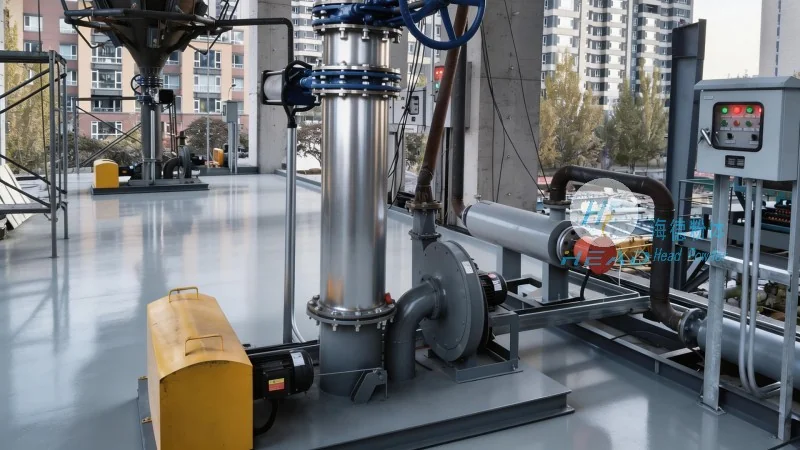
Operation Process: Step-by-Step Guide
The operation of the tonne bag breakage material pneumatic conveying machine follows a systematic process to ensure efficient and safe material handling. The first step is to position the tonne bag onto the bag opening unit. The machine then activates the bag opening mechanism, which breaks the bag and releases the material into the hopper. The material is then fed into the conveying line through the rotary valve or feeder. The blower or fan is started, creating the necessary air pressure to transport the material. The material travels through the pipeline to the discharge unit, where it is collected and directed to the processing unit. The system may include a filter or separator to remove any dust or debris from the air before it is released back into the environment. The entire process is automated, allowing operators to monitor the system from a control panel and adjust parameters as needed.
Advantages and Benefits of Using This Equipment
Implementing the tonne bag breakage material pneumatic conveying machine from HeadPowder offers several advantages for industrial operations. Firstly, it significantly reduces manual labor by automating the bag opening and material conveying process. This not only increases efficiency but also improves workplace safety by minimizing the need for workers to handle heavy bags. Secondly, the equipment ensures consistent material flow, which is crucial for maintaining quality control in processing operations. The pneumatic conveying system also reduces material degradation compared to other methods, such as bucket elevators or belt conveyors, as the material is not subjected to mechanical stress. Additionally, the system is compact and can be integrated into existing facilities, making it a cost-effective solution for upgrading material handling capabilities. The robust design of the machine ensures long-term reliability, with minimal maintenance requirements, resulting in lower operational costs over time.




