Borax, a vital industrial chemical, is widely utilized in sectors such as glass manufacturing, detergent production, and agriculture. The efficient handling and transportation of borax granules are paramount for sustaining production efficiency and ensuring product quality. This article examines the concept of borax granular material handling equipment and explores its design principles, highlighting the essential components and operational mechanisms that enable reliable and effective material transport.
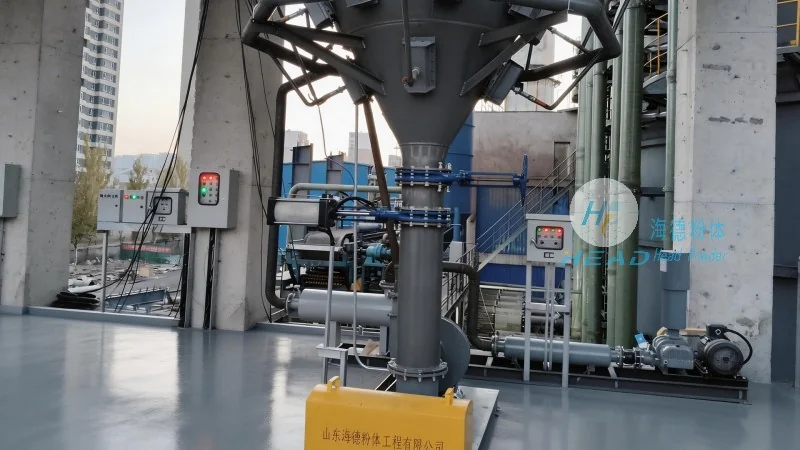
Understanding Borax Granular Material Handling Equipment
Borax granular material handling equipment refers to specialized machinery engineered to transport, store, and process borax granules. These systems are designed to accommodate the unique properties of borax, including its granular structure, chemical stability, and potential dust generation. The primary objective of such equipment is to ensure safe, efficient, and cost-effective material movement within industrial facilities. By integrating advanced engineering solutions, these systems address challenges like material flow control, dust suppression, and environmental compliance, making them indispensable in borax processing operations. Shandong HeadPowder Engineering Co., Ltd., a leading manufacturer in this field, specializes in developing customized solutions tailored to the specific needs of borax handling applications.
Key Components of Borax Granular Material Handling Equipment
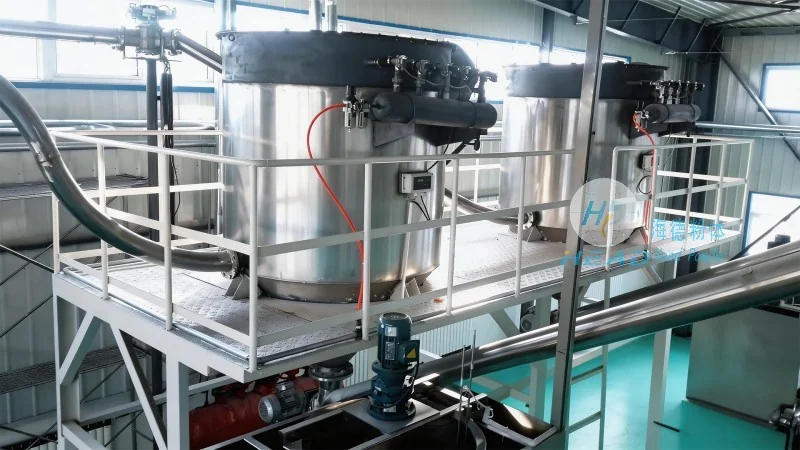
The design of borax granular material handling equipment typically incorporates several critical components that function in concert to achieve optimal performance. These components include feeders, conveyors, storage silos, and control systems. Feeders, such as rotary or vibratory types, regulate the flow of borax granules from storage to the conveyor system. Conveyors, which may be belt, screw, or pneumatic, transport the material through the processing line. Storage silos are used to hold bulk quantities of borax, ensuring a steady supply for production. Control systems, often equipped with sensors and automation, monitor and adjust the operation of the equipment to maintain consistent material flow and prevent issues like blockages or overfilling.
Design Principles for Efficient Material Handling
The design principles behind borax granular material handling equipment focus on several key factors to ensure reliability and efficiency. First, the equipment must be constructed from materials resistant to corrosion and chemical attack, as borax can be caustic and reactive. Stainless steel and special alloys are commonly used to prevent degradation and maintain product purity. Second, the design emphasizes minimal material friction and wear, as borax granules can be abrasive. Smooth surfaces and well-lubricated components reduce wear and extend the equipment's lifespan. Third, dust control is a critical design consideration. Borax is a fine granular material that can generate dust, which poses health and safety risks. Equipment often incorporates dust suppression systems, such as enclosed conveyors and dust collection units, to mitigate these risks and comply with environmental regulations. Finally, the design prioritizes energy efficiency and operational simplicity. Advanced control systems and optimized conveyor designs reduce energy consumption while simplifying maintenance and operation.
Operational Mechanisms and Performance
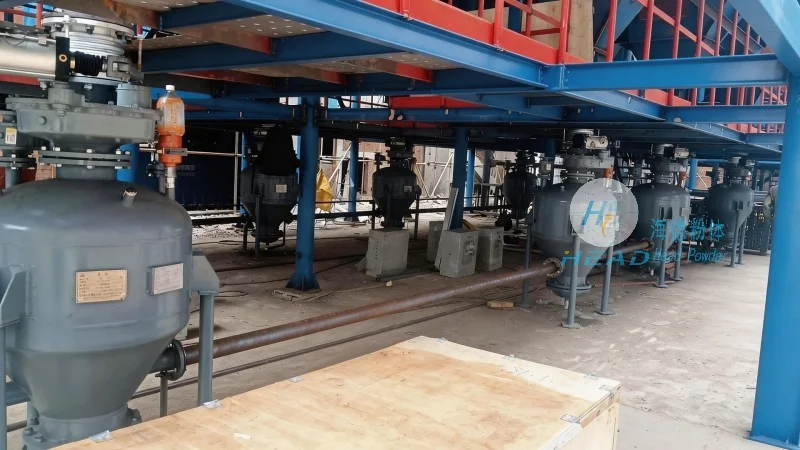
The operational mechanisms of borax granular material handling equipment are designed to handle the specific characteristics of borax granules. For instance, the use of screw conveyors is common due to their ability to handle bulk materials and maintain a consistent flow rate. Vibratory feeders are often employed to ensure uniform material distribution, preventing overloading or underloading of the conveyor system. The integration of sensors, such as level detectors and flow meters, allows for real-time monitoring of material levels and flow rates, enabling immediate adjustments to maintain optimal performance. This real-time feedback system enhances the overall efficiency of the material handling process and minimizes downtime.
Applications and Benefits in Industrial Settings
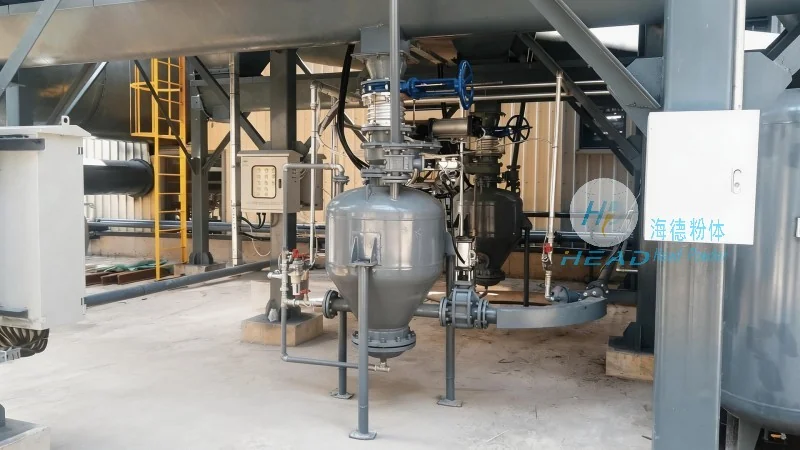
Borax granular material handling equipment finds extensive applications in various industrial settings. In glass manufacturing, borax is used as a flux to lower the melting point of silica, and efficient handling ensures consistent quality in glass production. In detergent production, borax is a key ingredient that enhances cleaning performance, and reliable material transport maintains product consistency. Additionally, in agricultural applications, borax is used as a soil amendment and pest control agent, and the equipment supports the distribution of borax granules to farms and agricultural sites. The benefits of using specialized borax granular material handling equipment include improved production efficiency, reduced material loss, enhanced safety through dust control, and compliance with environmental regulations. These advantages make the equipment a vital component in modern industrial operations.
Conclusion
Borax granular material handling equipment is a sophisticated system that plays a crucial role in the efficient processing and transportation of borax granules. The design principles, components, and operational mechanisms are tailored to address the unique challenges posed by borax, ensuring reliable and safe material handling. As industrial demands for borax continue to grow, the importance of advanced material handling equipment becomes increasingly evident. By understanding the design and functionality of these systems, industries can optimize their operations, enhance product quality, and maintain compliance with safety and environmental standards. The continued development and application of such equipment will undoubtedly contribute to the sustainable and efficient use of borax in various industrial applications. Shandong HeadPowder Engineering Co., Ltd. remains committed to advancing the technology and providing high-quality solutions for borax material handling needs.




