Iron fines material conveying lines are specialized systems engineered to handle and transport fine iron particles efficiently. These systems are crucial in various industrial applications, particularly in metalworking and recycling industries, where the handling of iron fines is essential for maintaining production flow and ensuring material integrity. Understanding the design principles behind these conveying lines is key to optimizing their performance and longevity.
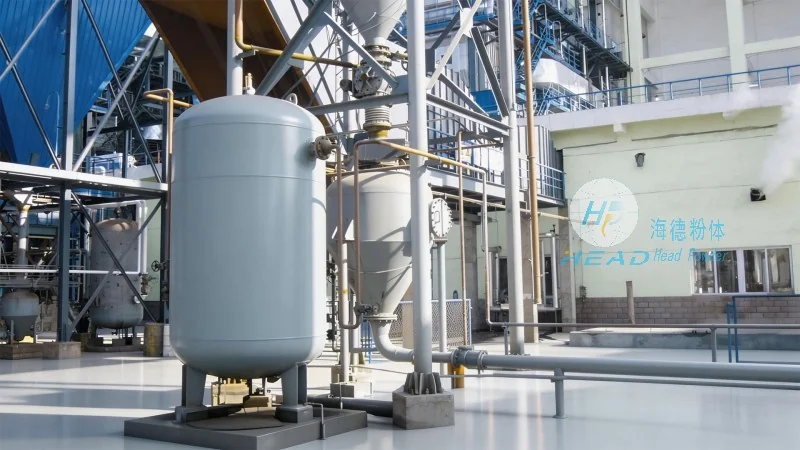
Understanding Iron Fines Material Conveying Lines
An iron fines material conveying line typically consists of several components that work in tandem to move iron particles from one location to another. The core of such a system includes a feeding mechanism, a conveyor system (often a belt or screw conveyor), and a control unit that regulates the flow and speed of the material. The feeding mechanism ensures that iron fines are introduced into the system uniformly, preventing blockages and ensuring consistent material flow. The conveyor system, which may vary in type depending on the specific application, is designed to handle the unique characteristics of iron fines—such as their fine size, abrasive nature, and tendency to clump together.
Key Design Principles for Iron Fines Conveying Lines
The design of an iron fines material conveying line is guided by several critical principles aimed at maximizing efficiency, minimizing wear and tear, and ensuring safe operation. One of the primary principles is the selection of appropriate materials for the conveyor components. Since iron fines are abrasive and can cause significant wear on metal surfaces, components like conveyor belts, idlers, and hoppers are often made from high-strength, wear-resistant materials such as rubber, polyurethane, or specialized alloys. This helps to extend the lifespan of the system and reduce maintenance costs over time.
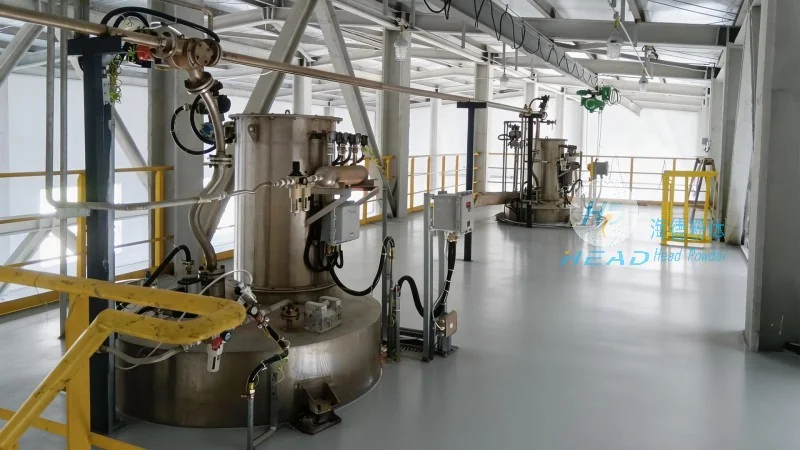
Another essential design principle is the consideration of the material's properties. Iron fines have a tendency to stick together due to their fine size and magnetic properties. To address this, conveying lines often incorporate features like vibration mechanisms or air jets to break up clumps and ensure smooth material flow. Additionally, the design may include inclined or horizontal sections to control the speed and direction of the material, preventing excessive acceleration or deceleration that could lead to material spillage or damage to the system.
Components and Their Functions in an Iron Fines Conveying Line
Each component of an iron fines material conveying line plays a vital role in the overall operation. The feeding hopper is responsible for collecting and feeding the iron fines into the system. It is typically designed with a wide opening to accommodate large volumes of material and may include a pre-screening mechanism to remove larger debris before the material enters the conveyor. The conveyor itself, whether a belt or screw type, is responsible for transporting the iron fines from the hopper to the discharge point. Belt conveyors are commonly used for horizontal or slightly inclined transport, while screw conveyors are ideal for vertical or steep incline applications due to their ability to handle materials that tend to stick together.
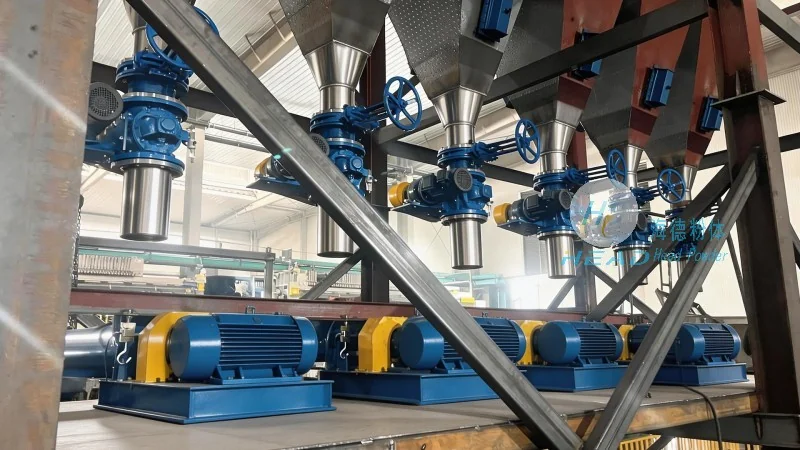
The control system is another critical component, as it monitors and regulates the operation of the conveying line. This system may include sensors to detect the level of material in the hopper, the speed of the conveyor, and any blockages or jams. By providing real-time data and alerts, the control system helps operators to maintain optimal performance and prevent downtime. Additionally, the control system may include safety features such as emergency stop buttons and overload protection to ensure the safety of personnel and the equipment.
Applications and Benefits of Iron Fines Material Conveying Lines
Iron fines material conveying lines are widely used in various industrial applications, including metal recycling, foundries, and steel processing facilities. In metal recycling, these systems are used to transport iron fines from collection points to processing plants, where they are further refined or melted into new products. In foundries, they help to move iron fines from the casting process to storage or reprocessing areas, ensuring a continuous supply of raw material. The benefits of using these systems include improved efficiency in material handling, reduced labor costs, and enhanced safety by minimizing manual handling of iron fines.
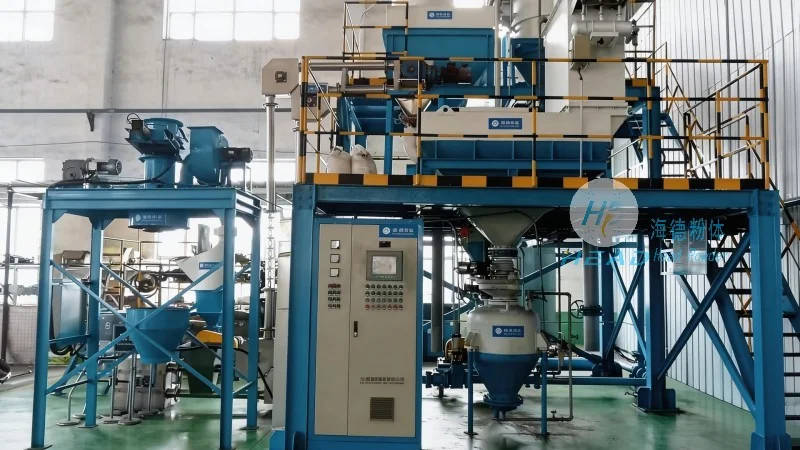
Maintenance and Operational Considerations
Proper maintenance is essential to ensure the longevity and efficiency of an iron fines material conveying line. Regular inspections of the conveyor components, such as belts and idlers, are necessary to detect signs of wear and tear. Lubrication of moving parts is also important to reduce friction and prevent overheating. Additionally, cleaning the system regularly, especially the hopper and conveyor, helps to prevent the buildup of iron fines, which can lead to blockages and reduced performance. Operational considerations also include the proper training of personnel to handle the system safely and efficiently. By following these maintenance and operational guidelines, users can maximize the lifespan of their conveying line and ensure consistent performance.
Conclusion
In conclusion, iron fines material conveying lines are sophisticated systems designed to handle the unique challenges of transporting fine iron particles. The design principles behind these systems, including the selection of appropriate materials, consideration of material properties, and incorporation of control mechanisms, are crucial to their effectiveness. By understanding these principles and properly maintaining the system, users can achieve optimal performance and efficiency in their industrial applications. As a leading provider of such systems, Shandong HeadPowder Engineering Co., Ltd. specializes in designing and manufacturing high-quality iron fines material conveying lines tailored to the specific needs of their clients.




