Organic fertilizer material handling equipment is a specialized system engineered to transport and manage organic fertilizer materials efficiently. This equipment is crucial in agricultural and industrial settings where organic fertilizers are processed, stored, and distributed. The design of such equipment is tailored to handle the unique properties of organic materials, including their bulk density, moisture content, and potential for caking or agglomeration. Understanding the design principles behind these systems is essential for optimizing performance, ensuring safety, and maintaining product quality.
Key Components and Design Considerations
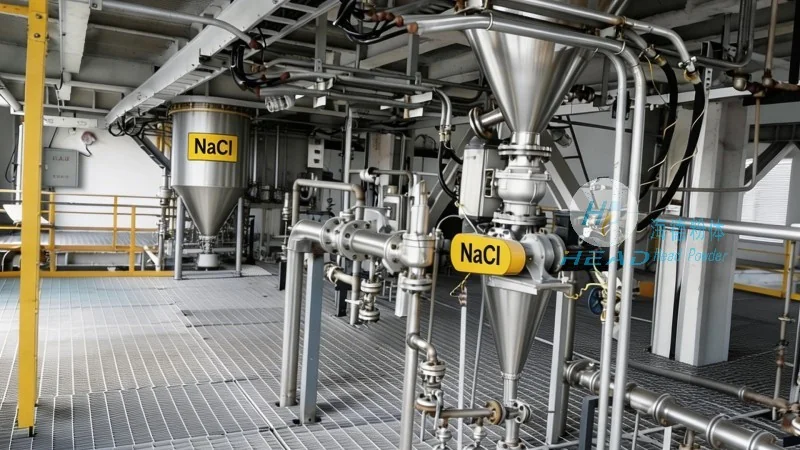
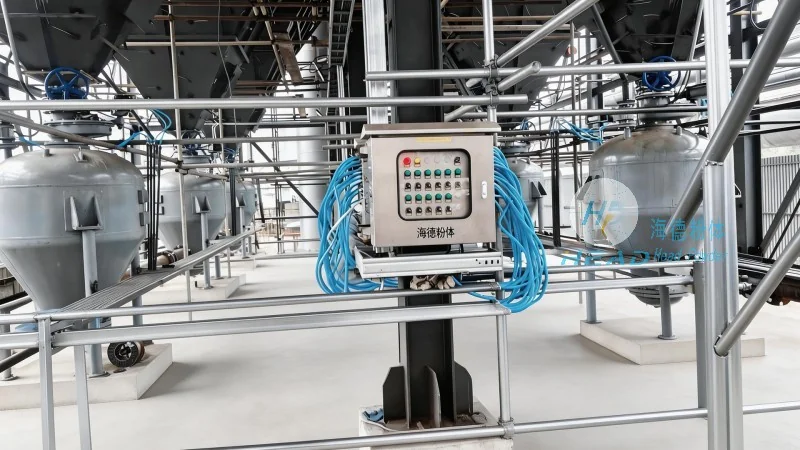
The design of organic fertilizer material handling equipment involves several critical components and considerations to ensure reliable operation. The primary components typically include feeders, conveyors, storage silos, and control systems. Each component is engineered to address specific challenges associated with organic fertilizer handling. For instance, feeders are designed to evenly distribute the material, preventing overloading or uneven flow. Conveyors, such as belt conveyors or screw conveyors, are chosen based on the material's characteristics and the required transport distance. Storage silos are constructed with materials that resist corrosion and are easy to clean, as organic fertilizers can be corrosive and sticky. Control systems integrate sensors and automation to monitor and adjust the handling process in real-time, enhancing efficiency and safety.
Material Handling Challenges and Solutions
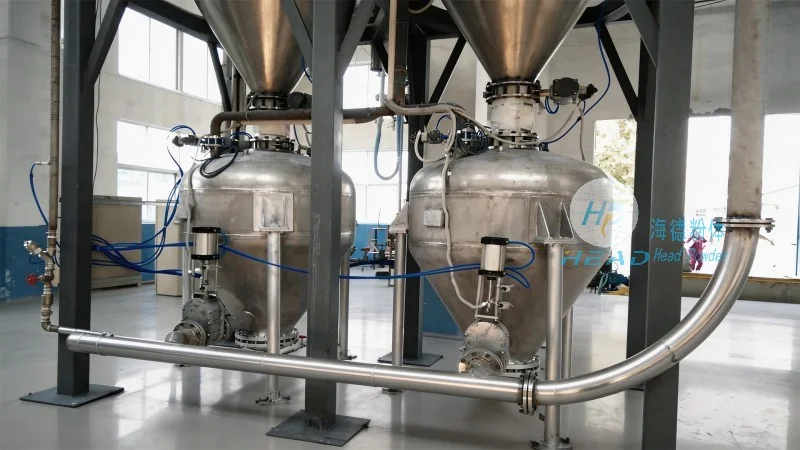
Organic fertilizers present unique challenges during material handling, such as variability in moisture content, potential for caking, and the need for gentle handling to preserve nutrient integrity. The design principles address these challenges through specialized equipment features. For example, some systems incorporate pre-drying or conditioning steps to reduce moisture and prevent caking. Gentle handling mechanisms, like slow-moving conveyors or pneumatic systems with low air pressure, are used to avoid damaging the organic material's structure. Additionally, the equipment is often designed with easy-to-clean surfaces and access points to facilitate maintenance and prevent contamination.
Application in Agricultural and Industrial Settings
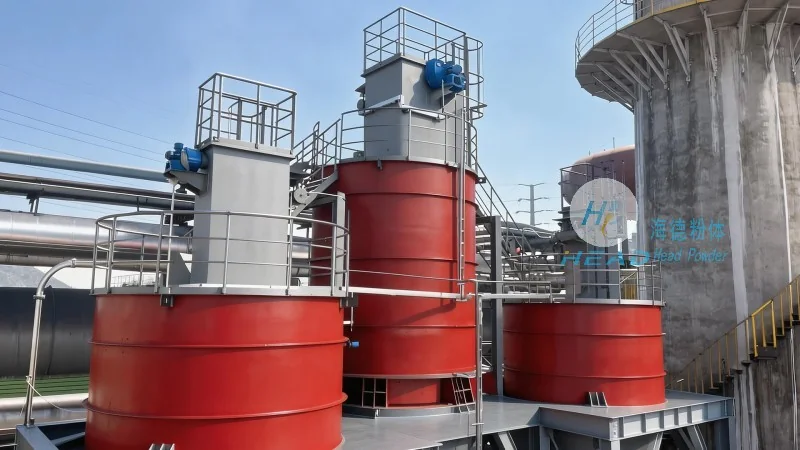
Organic fertilizer material handling equipment is widely used in both agricultural and industrial applications. In agricultural settings, these systems are integral to farm operations, where organic fertilizers are applied to fields or stored for future use. The equipment ensures that fertilizers are transported from storage to application points efficiently, reducing labor costs and improving operational efficiency. In industrial settings, such as fertilizer manufacturing plants, the equipment is used in the production process to move raw materials, process intermediates, and finished products. The design principles for industrial applications often emphasize higher throughput, durability, and integration with larger production lines. Companies like Shandong HeadPowder Engineering Co., Ltd., a leading manufacturer in this field, specialize in developing customized solutions that meet the specific needs of different industries, ensuring optimal performance and reliability.
Conclusion and Company Overview
Organic fertilizer material handling equipment plays a vital role in modern agriculture and industry, enabling the efficient and safe transport of organic fertilizers. The design principles behind these systems focus on addressing the unique challenges of organic materials while maximizing operational efficiency and product quality. Companies like Shandong HeadPowder Engineering Co., Ltd., based in China, have established themselves as key players in the industry, providing high-quality equipment and tailored solutions to meet the diverse needs of their clients. With a commitment to innovation and customer satisfaction, these companies continue to advance the technology and application of organic fertilizer handling systems, contributing to sustainable agricultural practices and industrial efficiency.




