PTFE (Polytetrafluoroethylene) pneumatic conveying systems represent a sophisticated technology in material handling, widely used across various industries for efficient and reliable transport of powders and bulk materials. This article provides an overview of the PTFE pneumatic conveying system, focusing on its structural components and the underlying principles that enable its operation. As a leading manufacturer in the field, Shandong HeadPowder Engineering Co., Ltd. specializes in designing and manufacturing high-quality PTFE pneumatic conveying systems tailored to meet the specific needs of different industries.
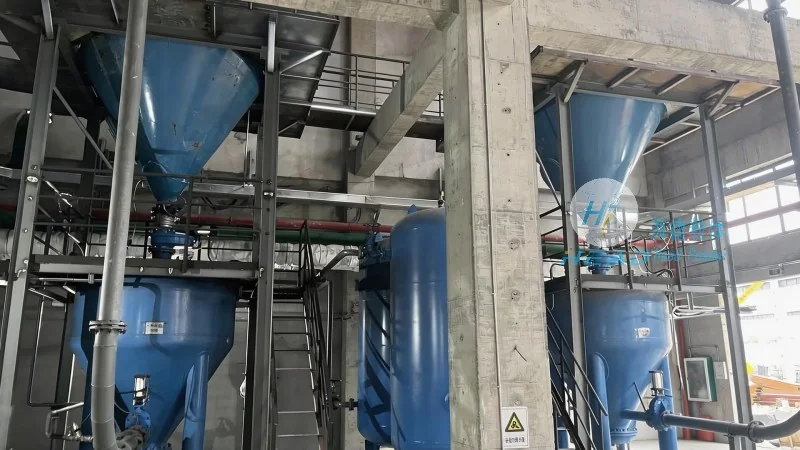
Overview of PTFE Pneumatic Conveying Systems
PTFE pneumatic conveying systems are designed to transport dry bulk materials through a pipeline using air or other gases as the conveying medium. The use of PTFE, a highly durable and chemically inert material, ensures that the system can handle a wide range of materials without degradation or contamination. These systems are particularly advantageous in industries such as pharmaceuticals, food processing, and chemical manufacturing, where material purity and process efficiency are critical.
Key Structural Components of PTFE Pneumatic Conveying Systems
The PTFE pneumatic conveying system consists of several essential components that work in tandem to achieve effective material transport. The primary components include the hopper, the conveying line, the air supply system, and the control valves. Each component plays a crucial role in the overall functionality of the system.
1. **Hopper**: The hopper is the storage and feeding unit where the bulk material is loaded. It is typically made of PTFE or other compatible materials to prevent material adhesion and ensure smooth discharge. The design of the hopper, including its shape and dimensions, is optimized to minimize material bridging and ensure consistent flow.
2. **Conveying Line**: The conveying line is the pipeline through which the material and air travel. PTFE is used for the inner lining of the pipeline to prevent corrosion and material buildup. The line is usually equipped with bends and elbows that are designed to minimize pressure loss and maintain the material's flow characteristics.
3. **Air Supply System**: The air supply system generates the necessary pressure and flow of air to move the material through the pipeline. This system includes a blower or compressor, a filter to remove contaminants from the air, and a pressure regulator to maintain consistent air pressure. The air velocity within the pipeline is a critical parameter that determines the conveying capacity and efficiency.
4. **Control Valves**: Control valves are used to regulate the flow of material and air. They include inlet and outlet valves, as well as pressure relief valves. These valves allow for precise control over the conveying process, enabling operators to adjust the flow rate and pressure as needed to handle different material types and system loads.
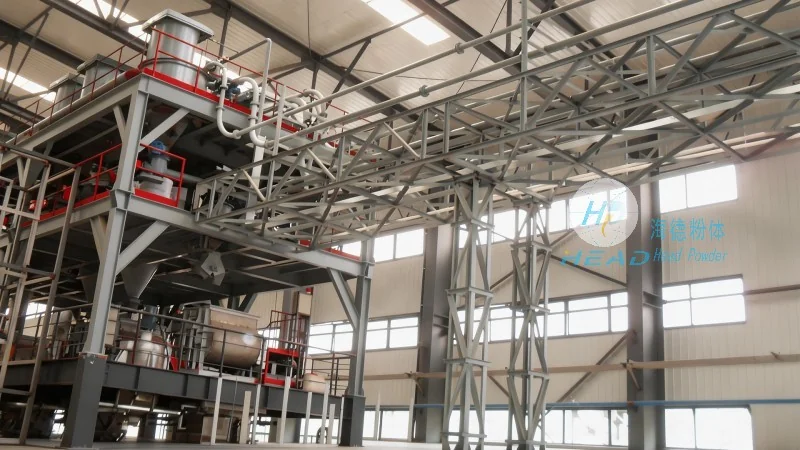
Working Principles of PTFE Pneumatic Conveying Systems
The operation of a PTFE pneumatic conveying system is based on the principle of fluidization and pneumatic transport. When air is introduced into the hopper at a controlled rate, it creates a fluidized bed of material, where the particles are suspended and move with the air flow. This fluidized material is then drawn into the conveying line and transported to the discharge point.
The conveying process can be categorized into two main types: dilute phase and dense phase. Dilute phase conveying involves low air velocities and high material velocities, resulting in a more turbulent flow. Dense phase conveying, on the other hand, uses higher air pressures and lower velocities, creating a more stable and less turbulent flow. The choice between these two modes depends on the material characteristics, such as particle size, density, and moisture content, as well as the required conveying distance and capacity.
Advantages of PTFE Pneumatic Conveying Systems
PTFE pneumatic conveying systems offer several advantages over traditional material handling methods. These include:
1. **Non-Contact Handling**: The material is transported without direct contact with the conveying line, eliminating the risk of contamination and material degradation. This is particularly important in industries where product purity is paramount, such as pharmaceuticals and food processing.
2. **Versatility**: PTFE systems can handle a wide range of materials, from fine powders to bulk solids, with minimal maintenance. The material's chemical inertness allows it to be used with corrosive or abrasive materials without damage to the system.
3. **Space Efficiency**: PTFE pneumatic conveying systems are compact and can be installed in tight spaces, making them suitable for facilities with limited floor space.
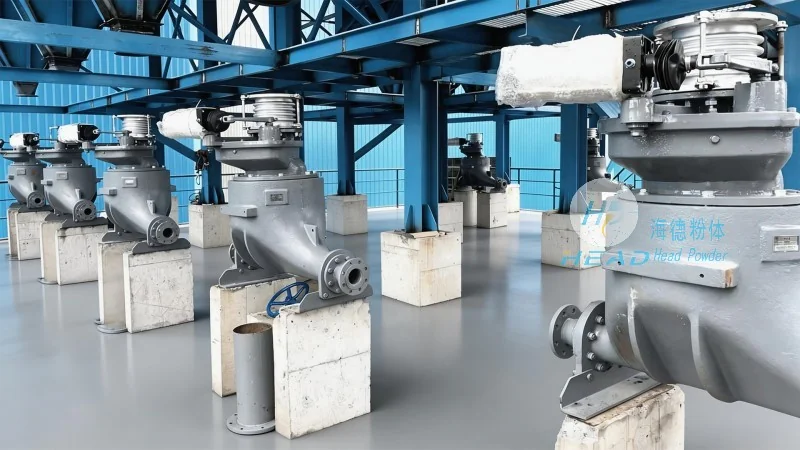
4. **Energy Efficiency**: Compared to other material handling methods, such as belt conveyors or bucket elevators, PTFE systems are more energy-efficient, especially for long-distance conveying.
Applications of PTFE Pneumatic Conveying Systems
PTFE pneumatic conveying systems are widely used in various industries due to their versatility and efficiency. Some common applications include:
1. **Pharmaceutical Industry**: Transporting active pharmaceutical ingredients (APIs), excipients, and finished products in a sterile and contamination-free environment.
2. **Food Processing Industry**: Handling dry food products, such as powders, granules, and spices, while maintaining food safety standards.
3. **Chemical Industry**: Conveying chemicals, including corrosive and hazardous materials, without the risk of reaction or contamination.
4. **Mining and Minerals Industry**: Transporting bulk minerals and ores from processing plants to storage or further processing facilities.




