

Main Pneumatic Conveying Structures for Small Beans
Welcome to Shandong HeadPowder Engineering Co., Ltd., a leading provider of specialized pneumatic conveying solutions tailored for the small bean industry. Based in Shandong, China, our company, often referred to as HeadPowder, specializes in designing and manufacturing efficient systems that ensure optimal handling of small beans from processing to storage. This article explores the core components that constitute effective small bean pneumatic conveying structures, highlighting their functionality and importance in maintaining product quality and operational efficiency.
Understanding Pneumatic Conveying Systems for Small Beans
Pneumatic conveying systems are critical in the small bean processing industry, offering a reliable method to transport small beans through a network of pipes using air pressure. These systems are designed to handle delicate beans without causing damage, ensuring that the product's quality is preserved throughout the conveying process. The effectiveness of such systems largely depends on the integration of several key structural components, each playing a vital role in the overall operation.
Core Structural Components of Small Bean Pneumatic Conveying Systems
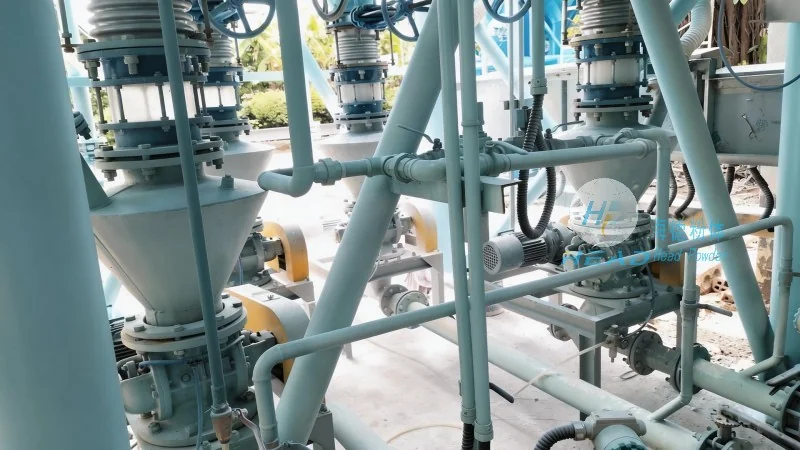
The primary structural elements of a small bean pneumatic conveying system include the conveying pipeline, which serves as the main channel for transporting the beans. This pipeline is typically made from durable materials like stainless steel or high-quality plastic, chosen for their resistance to corrosion and ability to maintain the purity of the product. The design of the pipeline, including its diameter and length, is crucial as it directly impacts the system's efficiency and the speed at which small beans are conveyed. For instance, a larger diameter pipeline may be used for longer conveying distances to reduce pressure losses, while smaller diameters are suitable for shorter distances or when handling smaller quantities.
Another essential component is the feeding device, responsible for introducing small beans into the conveying system. This device, often a hopper or a rotary valve, ensures a consistent and controlled flow of beans into the pipeline. The feeding mechanism is designed to prevent blockages and maintain a steady supply, which is vital for the smooth operation of the entire system. Properly sized and positioned feeding equipment helps in minimizing the risk of product degradation and ensures that the conveying process remains uninterrupted. For example, a rotary valve with adjustable speed can regulate the flow rate, allowing operators to match the production demand and prevent overloading the pipeline.
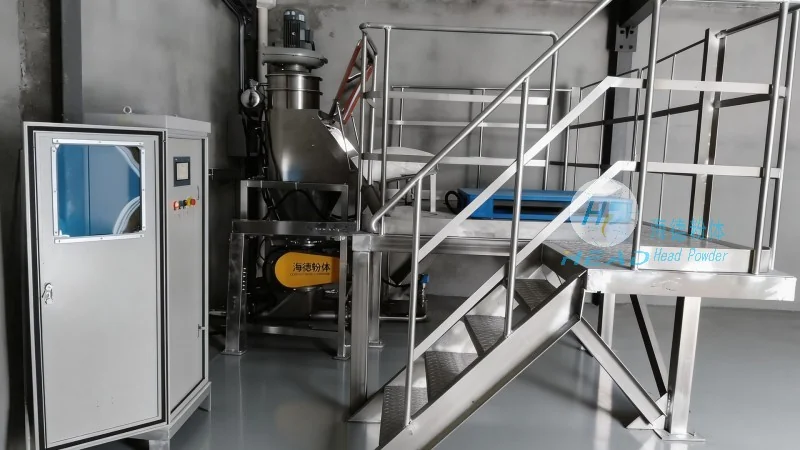
The separation and collection units are also integral to the small bean pneumatic conveying structure. These components are responsible for separating the conveyed small beans from the air stream and directing them to the desired storage or processing location. The design of these units, including cyclones or filters, is critical as they must effectively capture the small beans while allowing the air to be recirculated or expelled. Efficient separation ensures that the product is collected in a clean and organized manner, preventing contamination and maintaining the quality of the small beans. Cyclone separators, for instance, use centrifugal force to separate the beans from the air, making them an effective choice for high-volume applications.
Control and Monitoring Systems in Pneumatic Conveying Structures
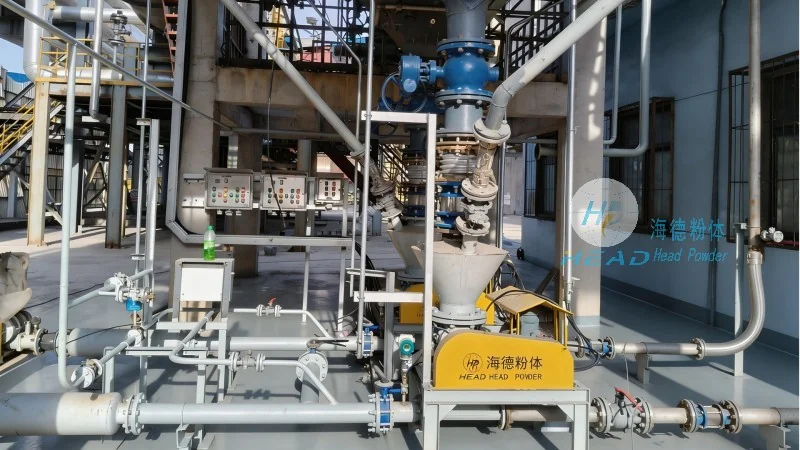
Modern small bean pneumatic conveying systems incorporate advanced control and monitoring systems to enhance operational efficiency and product quality. These systems typically include pressure sensors, flow meters, and control valves that regulate the air pressure and flow rate within the pipeline. By monitoring these parameters in real-time, operators can adjust the system settings to optimize performance, ensuring that the conveying process is both efficient and gentle on the small beans. For example, a pressure sensor can detect any drop in pressure, indicating a blockage or a need to adjust the air supply, allowing for immediate corrective action.
The integration of automation and digital control technologies allows for precise management of the conveying process, reducing the need for manual intervention and minimizing the risk of errors. This not only improves the overall productivity of the system but also ensures that the small beans are handled with the utmost care, preserving their quality and market value. Modern control systems can also provide data analytics, helping operators to identify trends and make informed decisions to further enhance the system's performance.
Benefits of Implementing Advanced Pneumatic Conveying Structures
Adopting well-designed pneumatic conveying structures for small beans offers numerous benefits to processing facilities. These systems provide a hygienic and enclosed environment, protecting the small beans from contamination and environmental factors. The enclosed design also helps in maintaining consistent product quality, which is crucial for meeting market standards and customer expectations. For instance, in food processing industries, maintaining a clean and sterile environment is paramount, and pneumatic conveying systems help in achieving this by preventing cross-contamination.
Furthermore, pneumatic conveying systems are highly efficient in terms of energy consumption and operational costs. By using air pressure to transport the small beans, these systems reduce the need for mechanical handling equipment, which can be costly and less effective. The ability to convey small beans over long distances without the need for intermediate handling points also streamlines the overall processing workflow, improving productivity and reducing downtime. This efficiency is particularly valuable for facilities that need to transport beans from one processing stage to another or from the processing plant to storage facilities.
Another significant advantage is the flexibility of pneumatic conveying structures. These systems can be easily modified or expanded to accommodate changes in production volume or processing requirements. This adaptability makes them suitable for a wide range of small bean processing applications, from small-scale operations to large industrial facilities. For example, a facility that starts with a small production capacity can install a basic pneumatic conveying system and expand it as production increases, without the need for a complete overhaul of the entire system.