Loess, a type of fine-grained soil, is widely utilized in construction and industrial sectors due to its favorable engineering properties. The efficient and safe transportation of loess powder from storage to processing units necessitates specialized equipment and system design. This article outlines key considerations for designing effective loess powder pneumatic conveying systems, emphasizing the importance of material characteristics, system configuration, and operational efficiency. The focus is on ensuring reliable performance while minimizing operational costs and environmental impact.
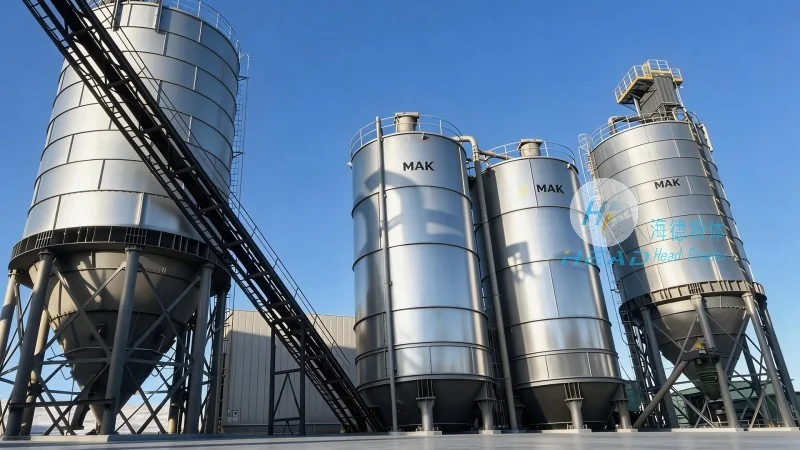
Key Design Considerations for Loess Powder Pneumatic Conveying Systems
When designing a pneumatic conveying system for loess powder, several critical factors must be addressed to achieve optimal performance. First, the physical properties of loess, such as particle size distribution, moisture content, and density, significantly influence system selection. For instance, fine particles may require higher air velocities to prevent blockages, while higher moisture content can affect flowability and increase the risk of caking. These characteristics directly impact the choice between positive and negative pressure systems, as well as the type of airlock valves and cyclone separators used.
System Configuration and Components
The configuration of a loess powder pneumatic conveying system typically includes a storage hopper, a feeding mechanism, a conveying line, and a collection unit. The storage hopper must be designed to accommodate the bulk volume of loess while preventing material degradation. A rotary valve or a star feeder is commonly used as the feeding device to ensure a consistent flow rate, which is crucial for maintaining system stability. The conveying line, often made of stainless steel or PVC, must be sized appropriately to handle the air and powder mixture without excessive pressure drop. Cyclone separators are essential for separating the powder from the air stream, and their design must match the particle size and air velocity to achieve high separation efficiency. Additionally, the system may include a filter to capture fine particles and prevent air pollution.
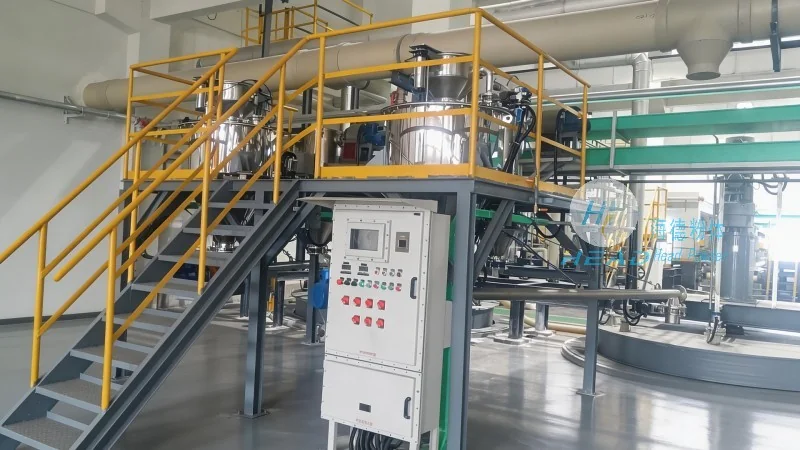
Material Selection and Equipment Durability
Given the abrasive nature of loess powder, the selection of durable materials for system components is paramount. The hopper, feeder, and conveying line are often constructed from stainless steel or high-grade plastics to resist wear and corrosion. The airlock valves and check valves must be designed to handle the abrasive particles without frequent maintenance. Regular inspection and maintenance are necessary to ensure the longevity of the equipment. The use of wear-resistant coatings on internal surfaces can further extend the service life of the system components.
Operational Efficiency and Energy Consumption
Optimizing the operational efficiency of a loess powder pneumatic conveying system involves balancing air velocity, pressure, and flow rate. Higher air velocities can improve conveying efficiency but increase energy consumption. Conversely, lower velocities may reduce energy use but risk system blockages. The system design must consider the specific requirements of the loess material and the distance between the storage and processing units. Proper sizing of the blower or fan is critical to maintain the required air pressure while minimizing energy costs. Additionally, the use of energy-efficient motors and variable frequency drives (VFDs) can further reduce operational expenses.
Environmental and Safety Considerations
Environmental regulations and safety standards play a significant role in the design of loess powder pneumatic conveying systems. The system must be equipped with dust collection and filtration systems to comply with air quality regulations. Proper ventilation and explosion-proof measures are essential to ensure the safety of operators and prevent dust explosions. The design must also consider the potential for material leakage and the need for containment measures to protect the environment. Regular monitoring of air quality and system performance is necessary to maintain compliance with environmental and safety regulations.
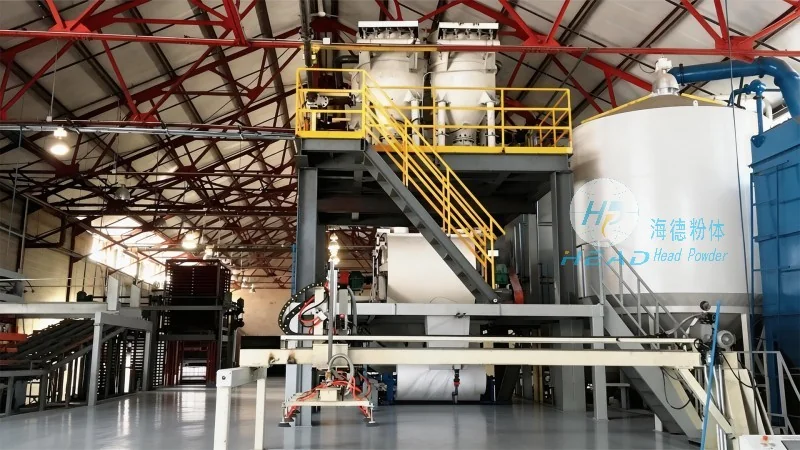
Case Study: Successful Implementation by Shandong HeadPowder Engineering Co., Ltd.
Shandong HeadPowder Engineering Co., Ltd., a leading provider of engineering solutions for powder handling systems, has successfully implemented loess powder pneumatic conveying systems in various industrial applications. One notable project involved the design and installation of a system for a construction material supplier in Shandong, China. The system was tailored to handle large volumes of loess powder from storage silos to a processing plant, ensuring a smooth and continuous operation. The company's expertise in material handling and system design helped optimize the system for energy efficiency and minimal maintenance. The successful implementation of this project highlights the importance of considering all design factors, from material properties to operational requirements, to achieve a reliable and cost-effective loess powder conveying solution.
Conclusion and Future Trends
In conclusion, the design of a loess powder pneumatic conveying system requires a comprehensive approach that addresses material characteristics, system configuration, durability, efficiency, and environmental safety. By carefully considering these factors, engineers can develop systems that meet the specific needs of industrial applications while minimizing operational costs and environmental impact. As technology advances, the integration of automation and monitoring systems may further enhance the performance and reliability of loess powder conveying systems. The key to successful system design lies in understanding the unique properties of loess and applying proven engineering principles to create an efficient and sustainable solution.




