When designing a wheat pneumatic conveying system, several critical factors must be considered to ensure efficiency, reliability, and cost-effectiveness. The system's performance is directly influenced by the selection of components, material handling characteristics, and operational environment. This article outlines key design considerations for optimizing wheat pneumatic conveying solutions.
System Overview and Core Components
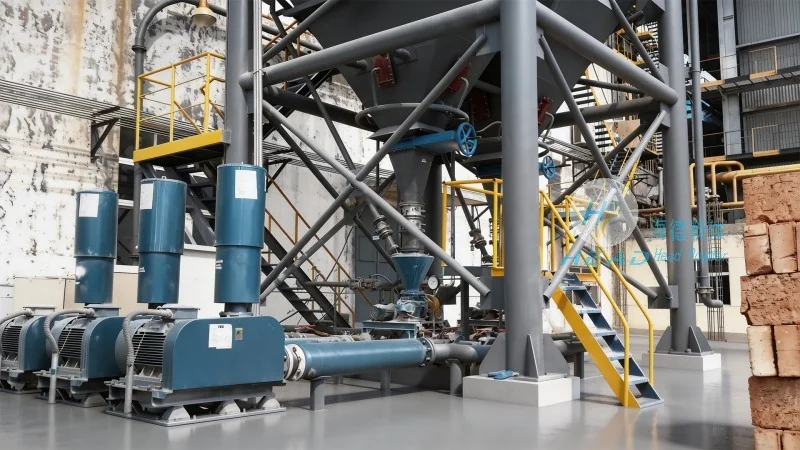
A typical wheat pneumatic conveying system consists of several key components that work in tandem to transport grain efficiently. The primary elements include a hopper for material storage, a conveyor line (either positive or negative pressure), a dust collector to manage airborne particles, and a discharge unit for delivering the wheat to its final destination. Each component plays a vital role in the overall system's functionality and must be carefully selected based on the specific requirements of the wheat handling operation.
Material Characteristics and Handling Requirements
Wheat has distinct physical and chemical properties that impact the design of a pneumatic conveying system. Factors such as grain size, moisture content, bulk density, and flowability must be evaluated to determine the appropriate conveying method. For example, high moisture content may affect the grain's aerodynamic properties, requiring adjustments to air velocity and pressure. Additionally, the presence of impurities or foreign materials may necessitate filtration or separation systems to maintain product quality and prevent equipment damage.
Design Principles for Efficient Conveying
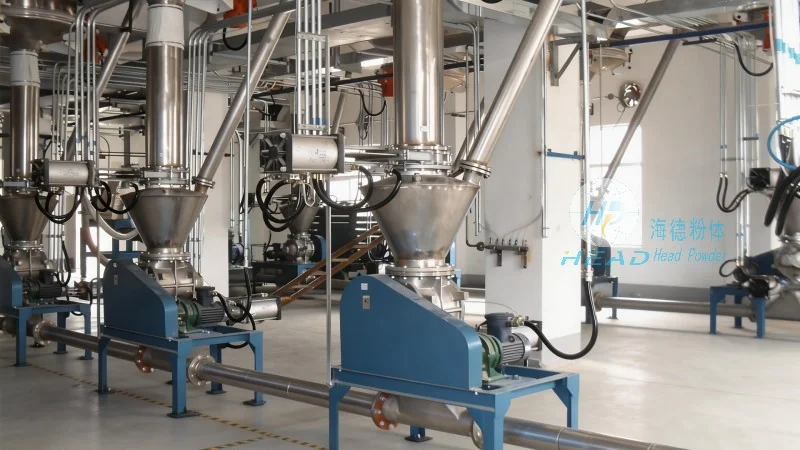
Efficient wheat pneumatic conveying relies on adherence to fundamental design principles that optimize energy usage and minimize system downtime. One key principle is maintaining consistent air velocity within the conveying line to prevent grain segregation or blockages. The air-to-grain ratio is a critical parameter that balances the need for sufficient airflow to move the wheat without excessive energy consumption. Proper system sizing, including the selection of appropriate duct diameters and air volumes, is essential to avoid pressure losses and ensure smooth material flow.
Equipment Selection and Installation Considerations
The choice of equipment, such as rotary valves, airlocks, and dust collectors, directly impacts the system's performance and longevity. Rotary valves are commonly used to control the flow of wheat from the hopper into the conveying line, while airlocks prevent backflow and maintain pressure integrity. Dust collectors are essential for capturing airborne particles, ensuring compliance with environmental regulations and maintaining a safe working environment. Proper installation, including adequate ducting and support structures, is crucial to prevent vibration, wear, and potential failures.
Operational Maintenance and Safety Measures
Regular maintenance and adherence to safety protocols are vital for the long-term operation of a wheat pneumatic conveying system. Routine checks of air pressure, filter cleanliness, and component wear help identify potential issues before they escalate into costly breakdowns. Safety measures, such as proper grounding, lockout/tagout procedures, and regular inspection of electrical systems, are essential to protect personnel and equipment. Implementing a preventive maintenance schedule, including periodic cleaning of ducts and replacement of worn parts, can significantly extend the system's lifespan and reduce operational costs.
Case Study: Successful Implementation by Shandong HeadPowder Engineering Co., Ltd.
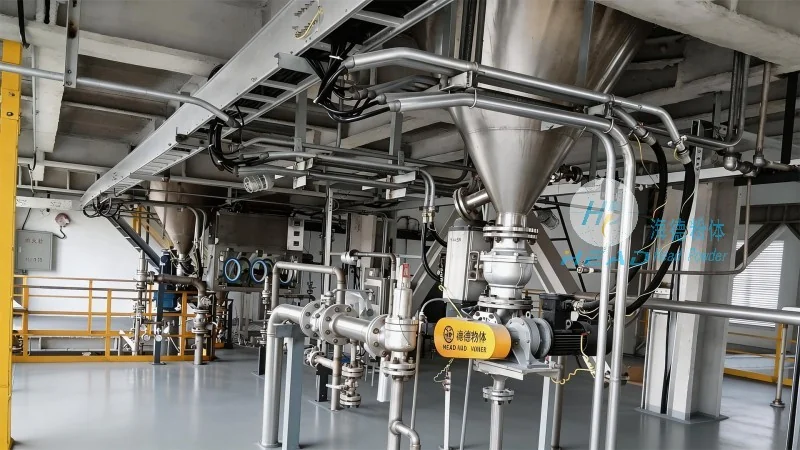
Shandong HeadPowder Engineering Co., Ltd., a leading provider of grain handling solutions, has successfully implemented wheat pneumatic conveying systems for numerous clients. By leveraging their expertise in material handling and system design, they have delivered customized solutions that meet the specific needs of agricultural operations. For instance, a recent project involved designing a high-capacity system for a wheat processing facility, where the company optimized the air-to-grain ratio and selected appropriate equipment to achieve efficient, low-cost conveying. The system's performance, including reduced energy consumption and improved product quality, demonstrated the effectiveness of their design approach.
Conclusion and Future Trends
In conclusion, the design of a wheat pneumatic conveying system requires a comprehensive understanding of material properties, operational requirements, and equipment capabilities. By adhering to key design considerations, such as proper system sizing, material handling optimization, and regular maintenance, operators can achieve efficient and reliable wheat transportation. As technology advances, future trends may include the integration of automation and IoT sensors to enhance system monitoring and control, further improving the performance and sustainability of wheat pneumatic conveying systems.




