HeadPowder, a leading manufacturer based in Shandong, China, specializes in the design and production of industrial conveying equipment. This article aims to provide a comprehensive overview of sintered dust powder conveying machines, focusing on their design principles and operational mechanisms.
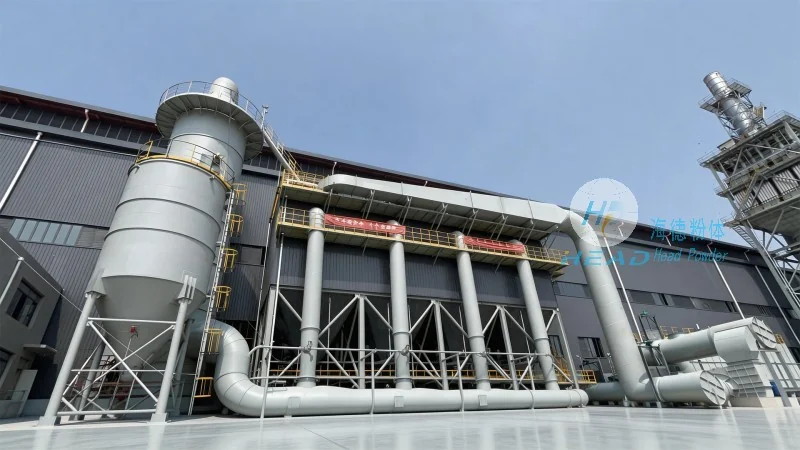
Introduction to Sintered Dust Powder Conveying Machines
A sintered dust powder conveying machine is a specialized industrial device engineered to transport fine powders, particularly those generated in sintering processes. These machines are essential in various industrial sectors, including metallurgy, ceramics, and chemical manufacturing, where efficient handling of fine particulate materials is critical. The primary function of such equipment is to move sintered dust or other powders from one location to another within a production facility, ensuring smooth workflow and maintaining product quality.
Key Components and Structural Design
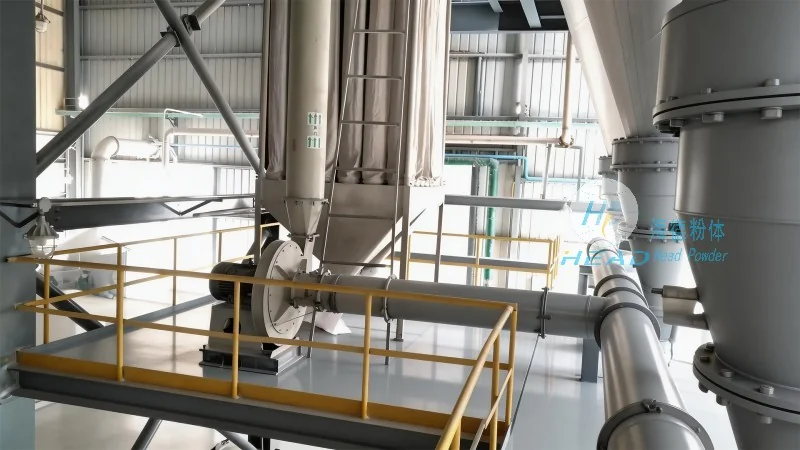
The design of a sintered dust powder conveying machine typically involves several key components that work in tandem to achieve efficient material transport. The main structural elements include a hopper for material storage, a conveying tube or pipeline, a drive system (such as a motor and gearbox), and a control panel for operation. The hopper is designed to hold the sintered dust, allowing for uniform feeding into the conveying system. The conveying tube, often made of corrosion-resistant materials like stainless steel or special alloys, is crucial for preventing material degradation and ensuring durability under harsh operating conditions.
The drive system, which may incorporate a screw, auger, or pneumatic mechanism depending on the specific design, is responsible for moving the material through the pipeline. For sintered dust, which can be abrasive and potentially sticky, the choice of drive mechanism is critical. Many modern designs utilize a screw conveyor, where a rotating screw (auger) pushes the material forward. This design minimizes material buildup and reduces the risk of clogging, which is a common issue with other types of conveying systems.
Working Principle and Operational Mechanism
The operational principle of a sintered dust powder conveying machine revolves around the movement of material through the conveying tube. When the machine is activated, the drive system (e.g., the screw) begins to rotate, creating a forward-moving force on the material. The screw's threads or helical structure ensures that the material is continuously pushed along the tube, preventing it from settling or accumulating at any point. This mechanism is particularly effective for fine powders, as it maintains a consistent flow rate and prevents segregation or agglomeration of particles.
Additionally, the machine may incorporate features such as variable speed controls, which allow operators to adjust the conveying rate based on the material's properties and production requirements. This flexibility is essential in industrial settings where material characteristics can vary, ensuring optimal performance and efficiency. The control panel, equipped with safety switches and monitoring devices, provides operators with real-time feedback on the machine's operation, enabling quick adjustments and preventing potential issues.
Advantages and Technical Features
Sintered dust powder conveying machines offer several advantages that make them ideal for industrial applications. One of the primary benefits is their ability to handle fine, abrasive powders without causing significant wear or damage to the equipment. The use of corrosion-resistant materials and robust construction ensures long-term durability and minimal maintenance requirements. Additionally, these machines are designed to minimize material loss and contamination, which is crucial for maintaining product quality in sensitive applications.
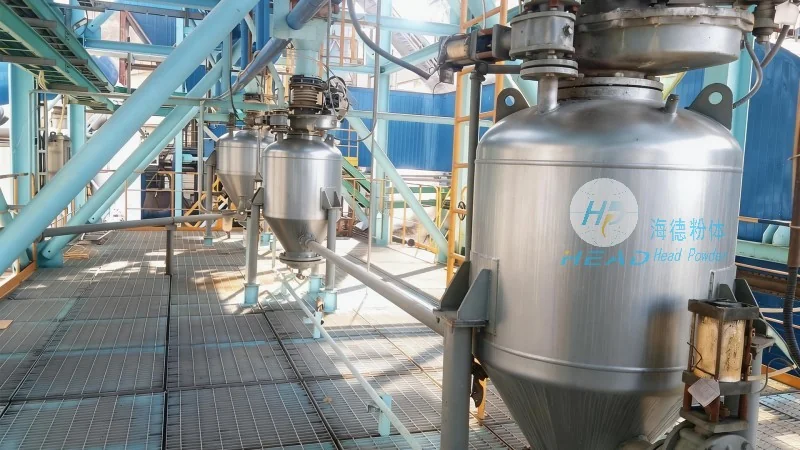
Another key feature is their ability to operate in a closed system, which helps to contain dust and prevent environmental pollution. This is particularly important in industries where sintered dust is a byproduct, as it reduces the risk of airborne particles and improves workplace safety. The closed system also allows for better control over the material's temperature and moisture content, which can affect its properties and performance.
Application Examples and Industry Use Cases
Sintered dust powder conveying machines are widely used in various industrial processes where fine powders need to be transported efficiently. For example, in the metallurgical industry, these machines are used to transport sintered iron ore or other metal powders from sintering plants to downstream processing units. In the ceramics industry, they are employed to move clay or other ceramic powders from storage to production lines. The versatility of these machines makes them suitable for a wide range of applications, from small-scale operations to large-scale industrial facilities.
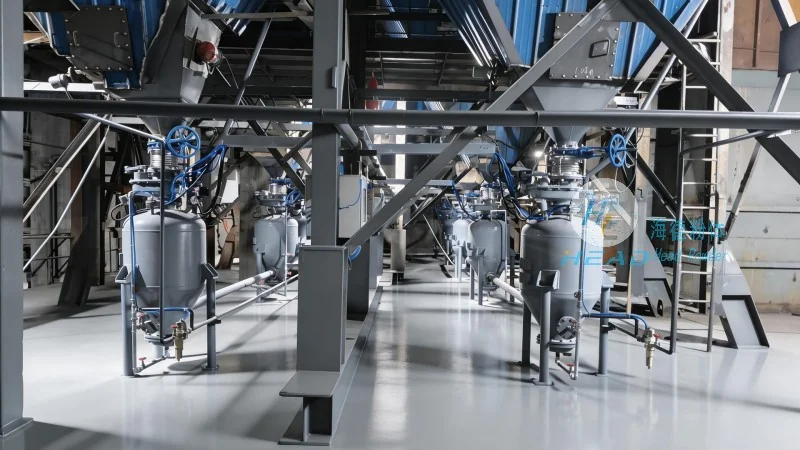
In addition to these primary uses, sintered dust powder conveying machines can also be integrated into larger production systems, such as material handling lines or automated manufacturing processes. This integration allows for seamless material transfer and enhances overall operational efficiency. The ability to customize the machine's design to meet specific application requirements further enhances its utility in diverse industrial settings.
Maintenance and Operational Considerations
Proper maintenance is essential to ensure the long-term performance and reliability of a sintered dust powder conveying machine. Regular inspections of the conveying tube, screw, and drive system are necessary to detect any signs of wear or damage. The use of high-quality lubricants and replacement parts can extend the machine's lifespan and reduce downtime. Additionally, operators should follow the manufacturer's guidelines for operation and maintenance to ensure optimal performance and safety.
Operational considerations also include the need to monitor the material's flow rate and pressure within the system. Any abnormalities, such as increased pressure or reduced flow, may indicate a blockage or other issue that requires immediate attention. The control panel's monitoring features help operators to identify and address these issues promptly, minimizing the risk of equipment failure or material loss.
Conclusion
In conclusion, sintered dust powder conveying machines are critical components in industrial operations that require the efficient handling of fine powders. The design principles and operational mechanisms of these machines are carefully engineered to ensure reliable and effective material transport. With their robust construction, versatile applications, and advanced features, these machines provide significant benefits to industries such as metallurgy, ceramics, and chemical manufacturing. By understanding the design and functionality of these devices, businesses can optimize their material handling processes and improve overall operational efficiency.




