When it comes to efficiently handling polyethylene powder in industrial settings, specialized equipment is essential. One such solution is the polyethylene powder conveyor, a device engineered to transport fine powders like polyethylene with precision and reliability. This article delves into what a polyethylene powder conveyor is and the fundamental design principles that underpin its operation, providing insights into its role in modern material handling processes.
Introduction to Polyethylene Powder Conveyors
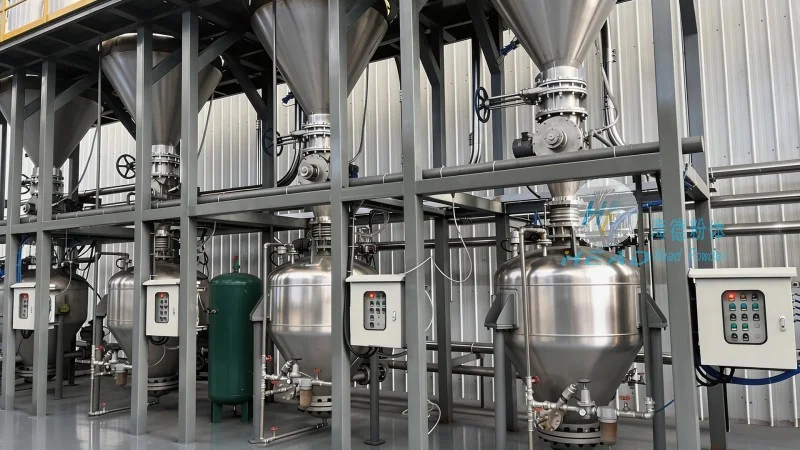
Polyethylene powder conveyors are industrial systems designed to move polyethylene powder from one location to another within a manufacturing or processing facility. These conveyors are particularly valuable in industries such as plastics manufacturing, chemical processing, and pharmaceuticals, where the handling of fine powders requires careful control to prevent issues like dust accumulation, clogging, or material degradation. The design of these conveyors is tailored to address the unique properties of polyethylene powder, including its flow characteristics, particle size, and potential for static charge buildup.
Key Components of Polyethylene Powder Conveyors
At the core of a polyethylene powder conveyor are several critical components that work in tandem to ensure smooth operation. The primary components include a hopper for material storage, a feeding mechanism to control the flow of powder, a conveying system (such as a screw or pneumatic line), and a discharge outlet for delivering the material to its destination. Each component is carefully selected and engineered to handle polyethylene powder without causing degradation or contamination.
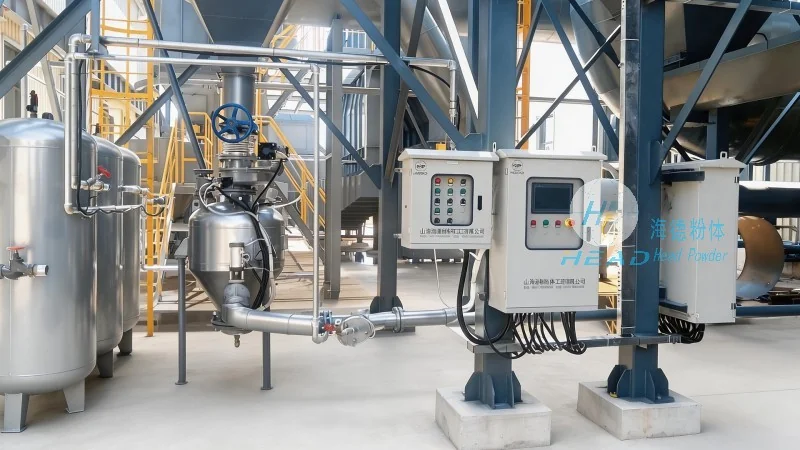
The hopper is typically made of materials resistant to polyethylene, such as stainless steel or specialized plastics, to prevent interaction between the material and the container. It may also feature a conical or rectangular design to facilitate uniform material flow. The feeding mechanism, often a rotary valve or a screw feeder, regulates the rate at which powder enters the conveying system, ensuring consistent and controlled transport. The conveying system itself can vary, with screw conveyors being common for vertical or horizontal transport due to their ability to handle fine powders without clogging. Pneumatic conveyors, on the other hand, use air pressure to move powder through a pipeline, offering flexibility in layout but requiring careful management of air pressure and flow rates.
Design Principles for Efficient Polyethylene Powder Transport
The design of a polyethylene powder conveyor is guided by several key principles aimed at optimizing performance and reliability. One of the most critical principles is the prevention of material buildup and clogging. This is achieved through the use of smooth, non-stick surfaces in the hopper and conveying system, as well as the incorporation of cleaning mechanisms such as scrapers or vibration systems. Additionally, the design considers the flow characteristics of polyethylene powder, which can be influenced by factors like moisture content, temperature, and particle size distribution. By ensuring the conveyor is designed to handle these variables, the risk of clogging and downtime is minimized.
Another important design principle is the management of static electricity. Polyethylene powder is often prone to generating static charge, which can lead to material sticking to surfaces or causing sparks in the presence of flammable substances. To mitigate this, polyethylene powder conveyors may incorporate grounding systems or anti-static additives in the material handling components. The conveyor design may also include features like conductive coatings or grounding straps to safely dissipate static electricity and prevent hazards.
Material Handling Considerations in Polyethylene Powder Conveyors
When designing a polyethylene powder conveyor, several material handling considerations must be addressed to ensure optimal performance. The first is the selection of appropriate materials for the conveyor components. Since polyethylene powder can be abrasive or corrosive in some cases, components are often made from stainless steel, food-grade plastics, or specialized alloys that resist wear and chemical attack. The choice of material also affects the conveyor's durability and maintenance requirements.
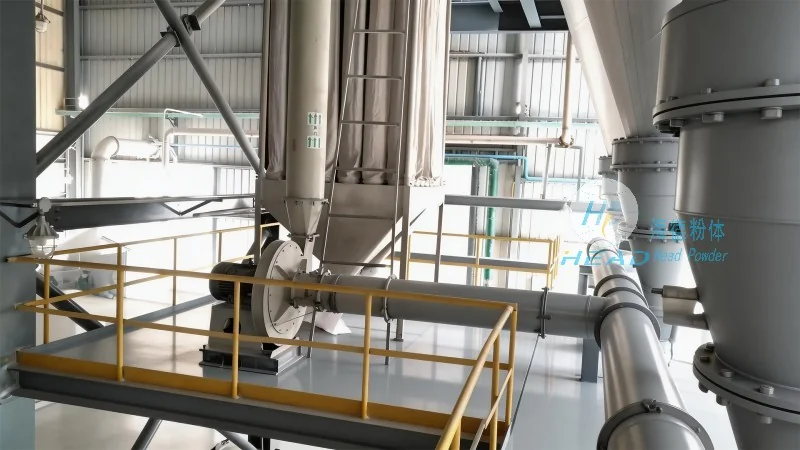
Another consideration is the control of air flow in pneumatic conveyors. Proper air pressure and flow rate are crucial for maintaining consistent powder transport and preventing material degradation. The design of the conveying system, including the size of the pipeline and the placement of air inlets and outlets, is carefully calculated to ensure efficient and reliable operation. Additionally, the conveyor may include features like air filters or cyclones to separate any fine particles from the air stream, improving overall system efficiency and reducing contamination.
Applications and Benefits of Polyethylene Powder Conveyors
Polyethylene powder conveyors are widely used in various industrial applications where the efficient transport of polyethylene powder is critical. In plastics manufacturing, these conveyors are used to move raw polyethylene powder from storage to processing equipment, such as extruders or mixers. In chemical processing, they help transport polyethylene powder between reactors and storage tanks, ensuring a continuous flow of material. The benefits of using a polyethylene powder conveyor include improved process efficiency, reduced labor costs, and enhanced safety by minimizing manual handling of fine powders.
Furthermore, the design of these conveyors allows for flexibility in system layout, as they can be configured for both horizontal and vertical transport. This adaptability makes them suitable for facilities with complex layouts or limited space. The ability to handle polyethylene powder without causing degradation or contamination also contributes to the overall quality of the final product, as it ensures that the material remains in its original state throughout the transport process.
Maintenance and Operational Guidelines for Polyethylene Powder Conveyors
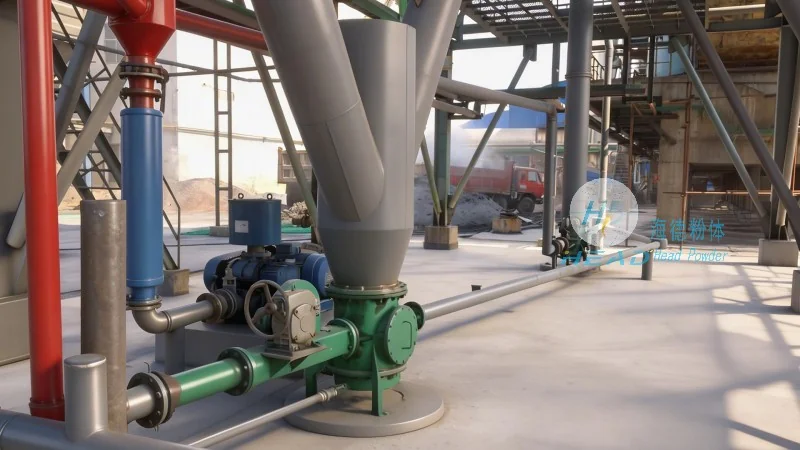
Proper maintenance is essential to ensure the long-term performance and reliability of a polyethylene powder conveyor. Regular cleaning of the hopper, conveying system, and discharge outlet is necessary to prevent clogging and material buildup. This may involve using specialized cleaning tools or techniques, such as air blasts or mechanical scrapers, depending on the design of the conveyor. Additionally, routine inspections of components like bearings, seals, and the feeding mechanism are recommended to identify and address any potential issues before they lead to system failure.
Operational guidelines also play a crucial role in maintaining the efficiency of the conveyor. This includes monitoring air pressure and flow rates in pneumatic systems, adjusting feeding rates to match production demands, and ensuring that the conveyor is properly grounded to prevent static electricity buildup. By following these guidelines, users can maximize the lifespan of their polyethylene powder conveyor and minimize downtime due to maintenance or operational issues.
Conclusion
Polyethylene powder conveyors are sophisticated industrial systems designed to efficiently transport polyethylene powder while maintaining material integrity and operational safety. The design principles behind these conveyors, including considerations for material flow, static electricity management, and component durability, are critical to their performance. By understanding these principles and adhering to proper maintenance and operational guidelines, industries can leverage the benefits of polyethylene powder conveyors to enhance their material handling processes and improve overall productivity.




