For industrial facilities engaged in flue gas treatment, the efficient and reliable transport of desulfurization and denitrification agents is a critical operational requirement. A well-designed pneumatic conveying system not only ensures consistent material delivery but also minimizes downtime and operational risks. This article outlines key design considerations for such systems, focusing on the technical and practical aspects that contribute to optimal performance.
System Overview and Core Components
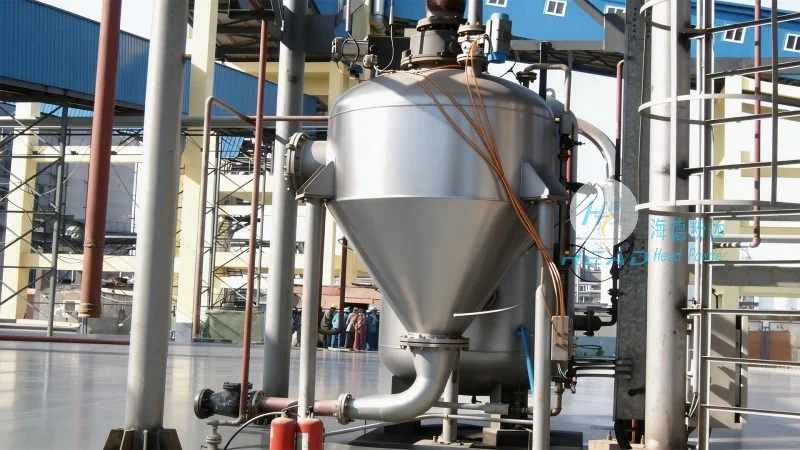
The pneumatic conveying system for desulfurization and denitrification agents typically consists of several interrelated components. These include the material storage silo, a rotary feeder or screw feeder for controlled discharge, a conveying pipeline network, a dust collection system, and a control panel for automated operation. The selection of each component is influenced by factors such as the material's physical properties, the required conveying distance, and the desired flow rate.
Material Handling and Feeder Selection
Desulfurization and denitrification agents often exhibit properties like fine particle size, hygroscopicity, or abrasive nature, which impact the choice of feeder. Rotary feeders are commonly used for their ability to handle a wide range of materials, including powders and granules, with consistent flow rates. Screw feeders may be preferred for materials with higher moisture content or those prone to caking. The feeder must be designed to prevent material bridging or segregation, ensuring a uniform feed to the conveying system.
Pipeline Design and Airflow Management
The pipeline layout is a critical design element, as it directly affects the conveying efficiency and system pressure drop. Horizontal and vertical runs need to be optimized to minimize pressure losses. The use of appropriate pipe diameters and smooth internal surfaces reduces friction and prevents material buildup. Airflow management is achieved through the selection of suitable air compressors and control valves, which maintain the necessary differential pressure to move the material through the pipeline.
Material Properties and Equipment Compatibility
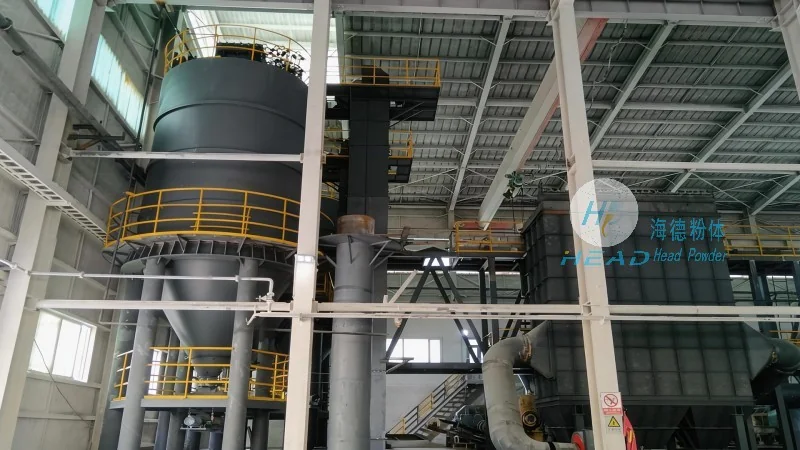
Understanding the physical and chemical properties of the desulfurization and denitrification agents is essential for selecting compatible equipment. Materials with high abrasiveness may require wear-resistant liners on the pipeline and feeder components. Hygroscopic materials need to be handled in a controlled environment to prevent clumping or moisture absorption, which can affect downstream processes. The system design must also consider the material's density and flowability to ensure stable conveying conditions.
Control and Automation Systems
Modern pneumatic conveying systems incorporate advanced control and automation features to enhance operational efficiency and safety. Automated control panels allow for real-time monitoring of flow rates, pressure, and material levels. Sensors and alarms are integrated to detect system malfunctions, such as blockages or pressure drops, enabling prompt maintenance actions. The automation system can also adjust airflow and feeder speed based on process demands, optimizing energy consumption and material usage.
Safety and Environmental Considerations
Given the nature of the materials being handled, safety is a paramount concern. The system must comply with relevant industrial safety standards, including explosion-proof designs for components handling potentially combustible dust. Dust collection systems are essential to prevent airborne particulate emissions, ensuring compliance with environmental regulations. Proper ventilation and material containment measures are implemented to protect personnel and the environment from exposure to the desulfurization and denitrification agents.
Installation and Maintenance Guidelines
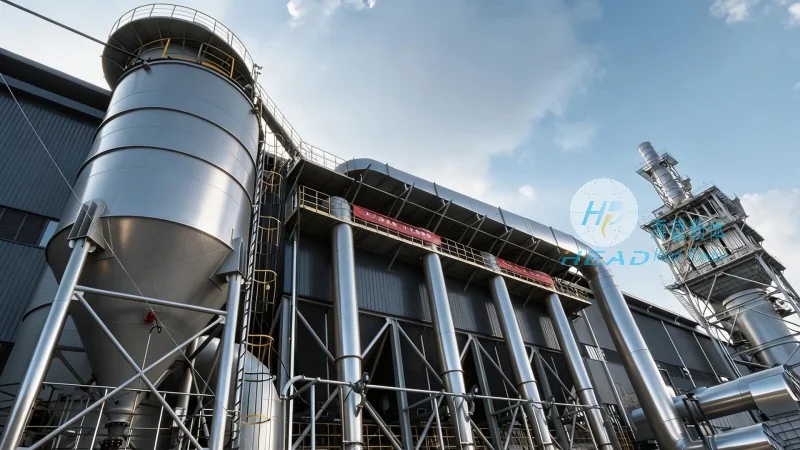
The successful implementation of a pneumatic conveying system requires careful installation and regular maintenance. Professional installation ensures that all components are properly aligned and connected, minimizing the risk of leaks or inefficiencies. Regular maintenance, including cleaning of the pipeline and feeder, inspection of wear parts, and calibration of control systems, is crucial for maintaining system performance over time. A well-maintained system not only prolongs equipment life but also ensures consistent operational reliability.
Case Study: Application in a Power Plant
Shandong HeadPowder Engineering Co., Ltd. has successfully implemented a pneumatic conveying system for desulfurization and denitrification agents in a thermal power plant. The system was designed to transport limestone slurry and ammonia-based reagents over a distance of 200 meters, with a required flow rate of 10 tons per hour. The rotary feeder and wear-resistant pipeline were selected to handle the abrasive nature of the limestone. The automated control system effectively managed the flow rates, reducing downtime by 30% compared to traditional manual feeding methods. This case study highlights the importance of tailored system design to meet specific industrial requirements.
Conclusion
Designing an efficient pneumatic conveying system for desulfurization and denitrification agents involves a comprehensive approach that considers material properties, system components, and operational requirements. By addressing key design considerations such as feeder selection, pipeline layout, and automation, industrial facilities can achieve reliable material transport, improved operational efficiency, and enhanced safety. The expertise of companies like Shandong HeadPowder Engineering Co., Ltd. plays a vital role in delivering customized solutions that meet the unique needs of flue gas treatment processes.




