When designing a foam pneumatic conveying system, several critical factors must be carefully evaluated to ensure optimal performance, efficiency, and reliability. These considerations span various aspects, from material properties and system layout to operational parameters and maintenance strategies. Understanding and addressing these elements is essential for creating a system that meets specific industrial requirements while minimizing operational challenges.
Material Properties and Handling Requirements
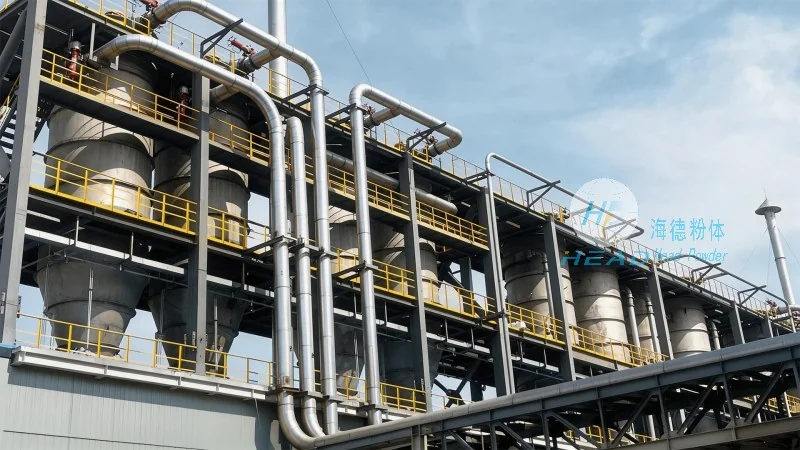
The first step in designing a foam pneumatic conveying system involves a thorough analysis of the material to be conveyed. This includes assessing the material's bulk density, particle size distribution, moisture content, and flowability. Materials with high moisture content or sticky properties may require additional measures, such as pre-drying or the use of additives, to prevent blockages and ensure smooth transport. Additionally, the abrasiveness of the material must be considered, as it can impact the wear rate of system components like pipelines, valves, and pumps. By understanding these material characteristics upfront, engineers can select appropriate equipment and design parameters that enhance system longevity and reduce maintenance costs.
System Layout and Component Selection
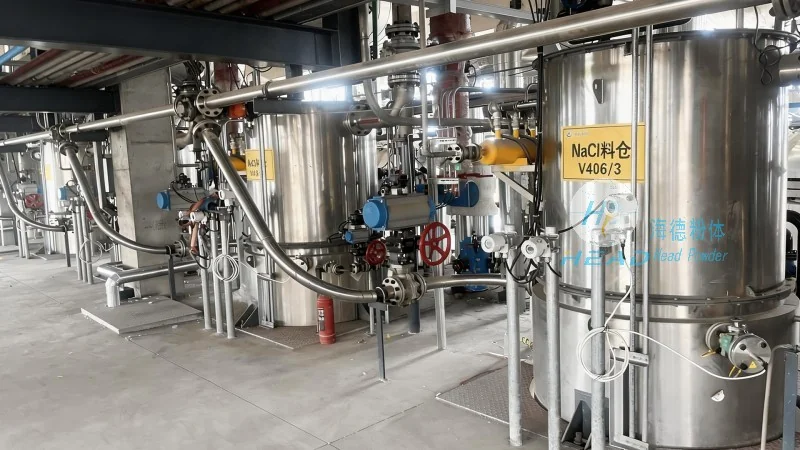
The layout of a foam pneumatic conveying system plays a pivotal role in its overall effectiveness. The design must account for the source of material, the destination, and any intermediate processing steps. Key components include the foam generator, air supply system, conveying pipeline, and material discharge equipment. The foam generator, which mixes air and foam solution, is a critical component that directly influences the system's conveying capacity and efficiency. Air supply systems must be capable of delivering consistent pressure and flow rates to maintain stable foam formation and prevent system instability. The conveying pipeline should be sized appropriately to handle the material's flow characteristics while minimizing pressure drop and energy consumption. Proper selection of valves, filters, and other accessories is also essential to ensure smooth operation and prevent material buildup or clogging.
Operational Parameters and Performance Optimization
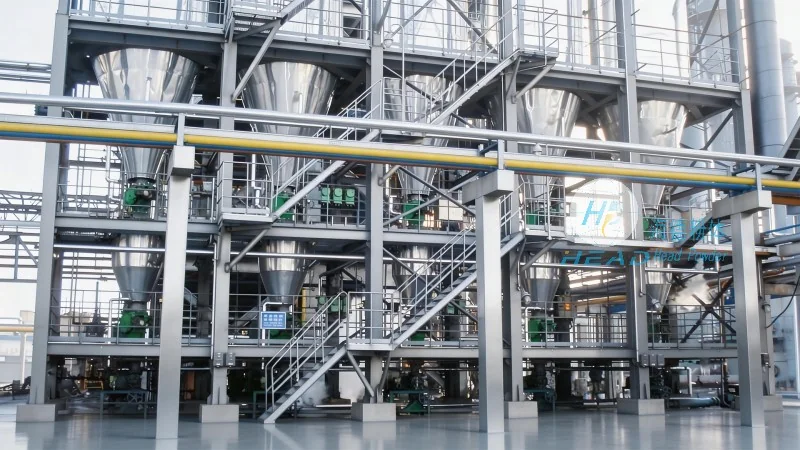
Operational parameters, such as air pressure, foam concentration, and conveying velocity, are crucial for optimizing the performance of a foam pneumatic conveying system. Air pressure must be sufficient to overcome the resistance of the pipeline and material, while avoiding excessive energy consumption. Foam concentration is another critical factor; too low a concentration may result in insufficient material suspension, leading to blockages, while too high a concentration can increase system pressure and energy demands. Conveying velocity should be maintained within an optimal range to prevent material degradation or excessive wear on system components. Regular monitoring and adjustment of these parameters based on real-time performance data help maintain system efficiency and extend the lifespan of equipment.
Maintenance and Longevity Strategies
Maintenance is a vital aspect of ensuring the long-term reliability of a foam pneumatic conveying system. Regular inspection of components, such as pipelines, valves, and foam generators, is necessary to detect and address potential issues before they escalate into major problems. Cleaning and replacement of filters and seals are also essential to prevent contamination and maintain system performance. Additionally, implementing a preventive maintenance schedule, including routine checks of air pressure and foam quality, can help identify and resolve issues early. By adhering to proper maintenance practices, system owners can minimize downtime, reduce repair costs, and ensure consistent operation over the system's lifespan.
About HeadPowder Engineering
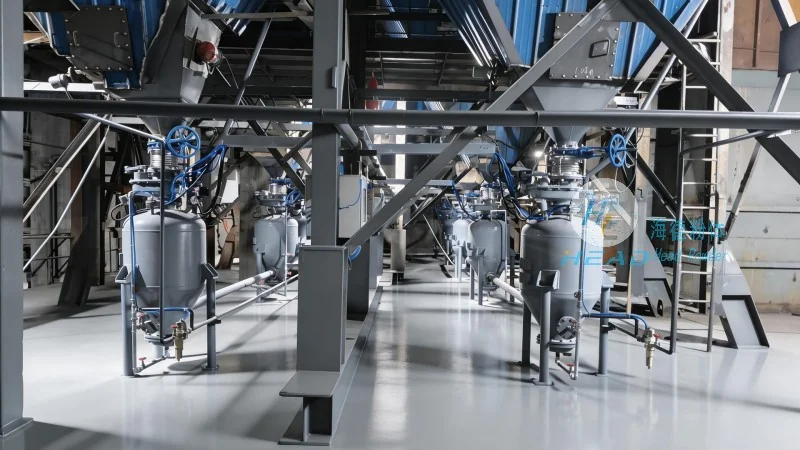
HeadPowder, or Shandong HeadPowder Engineering Co., Ltd., is a leading provider of engineering solutions for pneumatic conveying systems. With a focus on innovation and customer satisfaction, the company specializes in designing and manufacturing foam pneumatic conveying systems tailored to the unique needs of various industries. HeadPowder's team of experienced engineers leverages advanced technology and industry expertise to deliver high-quality, reliable systems that enhance operational efficiency and reduce costs for clients. The company's commitment to quality and customer support has earned it a reputation as a trusted partner in the field of material handling solutions. HeadPowder's operations are based in Shandong, China, where it continues to serve clients globally with cutting-edge engineering solutions.




