When designing a coffee pneumatic conveying system, several critical factors must be considered to ensure efficiency, reliability, and optimal performance. This article outlines key design considerations tailored for the coffee industry, emphasizing the expertise of Shandong HeadPowder Engineering Co., Ltd., a leading provider in the field.
System Selection and Material Properties
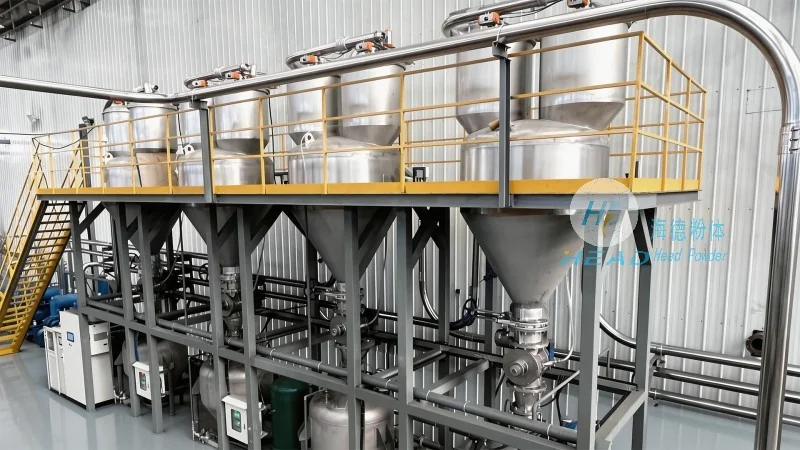
The first step in designing a coffee pneumatic conveying system involves selecting the appropriate system type based on the specific characteristics of the coffee beans or grounds being handled. Coffee materials vary in size, density, and moisture content, which directly impact the choice between positive and negative pressure systems. Positive pressure systems, where air is blown through the material, are often preferred for handling fine coffee powders due to their ability to maintain consistent flow and prevent material degradation. In contrast, negative pressure systems, which draw material into the system, are suitable for bulk coffee beans. Understanding these material properties is essential for selecting the right equipment and ensuring the system operates within safe and efficient parameters.
Component Selection and Material Compatibility
Component selection is another critical aspect of system design. All components, including hoppers, pipelines, and valves, must be constructed from materials that are compatible with coffee and its byproducts. Stainless steel is commonly used due to its corrosion resistance and ability to maintain hygiene standards, which are paramount in the food industry. Additionally, components should be designed to prevent material buildup and ensure easy cleaning. For example, the use of smooth, non-porous surfaces in hoppers and pipelines reduces the risk of contamination and facilitates thorough sanitation. Shandong HeadPowder Engineering Co., Ltd. specializes in designing systems with these compatibility considerations in mind, ensuring long-term reliability and compliance with industry regulations.
Flow Rate and Pressure Management
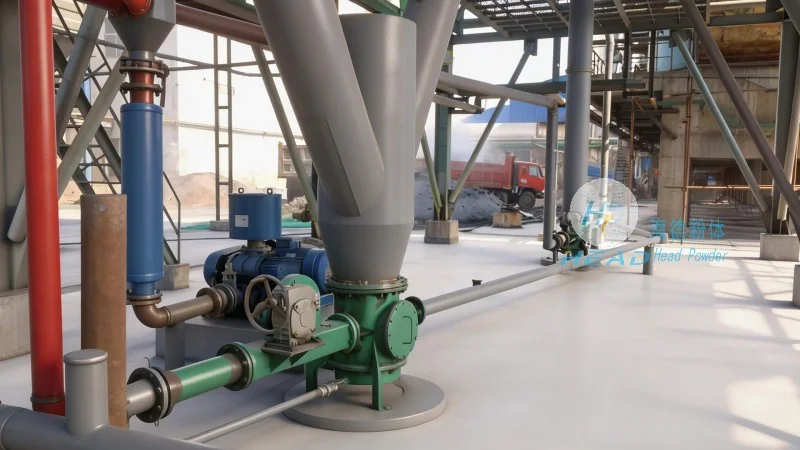
Flow rate and pressure management are fundamental to the performance of a coffee pneumatic conveying system. The flow rate must be optimized to match the production capacity and the specific handling requirements of the coffee processing plant. Excessive flow rates can lead to increased energy consumption and potential system wear, while insufficient flow rates may cause blockages or uneven material distribution. Pressure management is equally important, as it directly affects the system's efficiency and the integrity of the coffee product. Proper pressure monitoring and control systems are essential to maintain consistent flow and prevent pressure spikes that could damage equipment or compromise product quality. The design process involves detailed calculations based on the material's bulk density, particle size distribution, and the desired conveying distance, ensuring that the system operates at the optimal pressure and flow rate.
System Integration and Maintenance
Effective system integration and regular maintenance are vital for the long-term performance of coffee pneumatic conveying systems. Integration with existing processing lines requires careful planning to ensure seamless operation and minimal disruption to production. Shandong HeadPowder Engineering Co., Ltd. offers comprehensive integration services, including custom-designed interfaces and compatibility assessments with existing equipment. Regular maintenance is also crucial to prevent system failures and extend the lifespan of components. This includes routine checks of air filters, pipeline integrity, and valve functionality. The company provides maintenance plans tailored to the specific needs of each client, ensuring that systems remain in optimal condition and minimize downtime.
Environmental and Safety Considerations
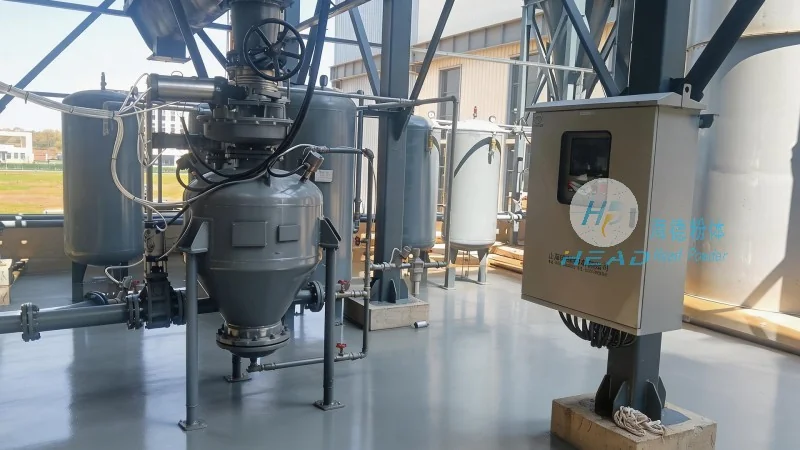
Environmental and safety considerations are integral to the design of any industrial system, including coffee pneumatic conveying systems. Proper dust control measures are essential to prevent airborne contamination and ensure a safe working environment. This may involve the use of dust collection systems and sealed components to minimize emissions. Additionally, safety features such as pressure relief valves and emergency shut-off mechanisms are critical to prevent accidents and protect personnel. Compliance with local environmental regulations and industry safety standards is mandatory, and Shandong HeadPowder Engineering Co., Ltd. ensures that all systems are designed and manufactured to meet these requirements. By prioritizing environmental and safety aspects, the company helps clients achieve sustainable and responsible operations.
Customization and Scalability
Every coffee processing facility has unique requirements, making customization and scalability essential in system design. Shandong HeadPowder Engineering Co., Ltd. specializes in creating tailored solutions that meet the specific needs of each client, whether for small-scale or large-scale operations. Customization may include adjustments to system size, material handling capacity, or integration with specific processing equipment. Scalability is also a key consideration, as systems must be able to accommodate future growth and increased production demands. The company's design team works closely with clients to understand their long-term goals and develop systems that can be easily expanded or modified as needed. This approach ensures that clients invest in a system that not only meets current needs but also supports future growth and efficiency improvements.




