For inquiries or more information, please contact Shandong HeadPowder Engineering Co., Ltd., located in Shandong, China.
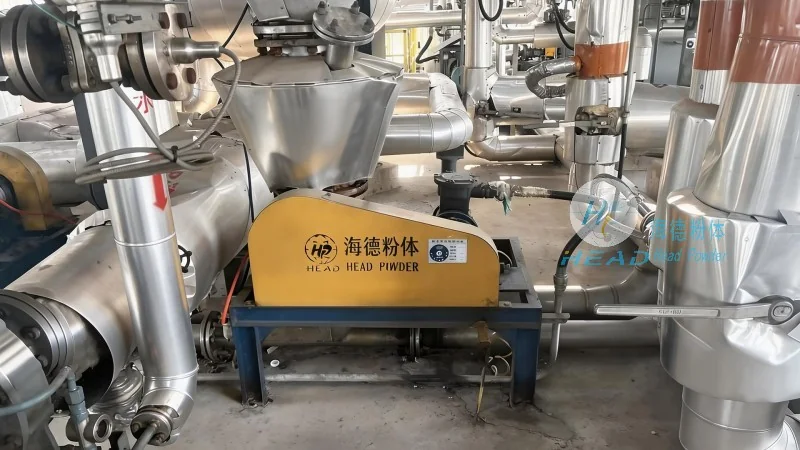
Introduction to Gypsum Powder Pneumatic Conveying Systems and Design Principles
Gypsum powder, a widely used building material, requires efficient and reliable transportation methods for industrial applications. The design of a pneumatic conveying system for gypsum powder involves careful consideration of several key factors to ensure optimal performance, safety, and longevity. This article outlines essential design considerations for such systems, presented by Shandong HeadPowder Engineering Co., Ltd., a leading provider in the field.
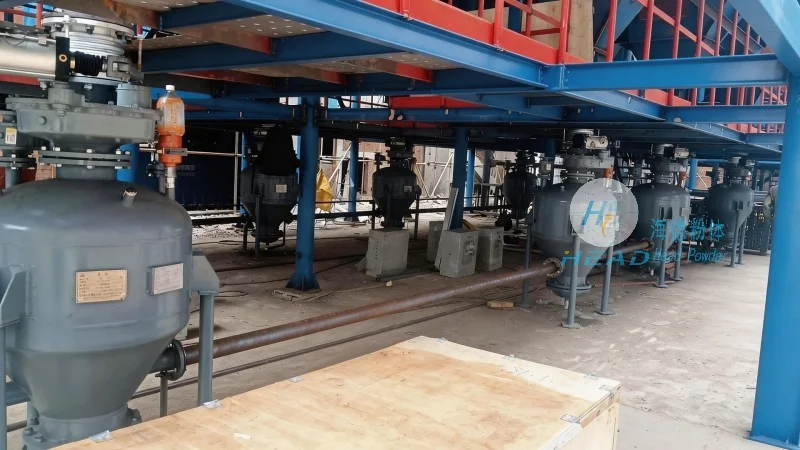
Key Design Considerations for Gypsum Powder Pneumatic Conveying Systems
1. Material Properties and Flow Characteristics: Gypsum powder has specific properties, including particle size distribution, moisture content, and bulk density, which significantly impact system design. Proper analysis of these properties helps in selecting the appropriate conveying velocity, pressure, and equipment. 2. System Type Selection: Different pneumatic conveying systems, such as pressure, vacuum, or mixed systems, are suitable for varying applications. For gypsum powder, pressure systems are often preferred due to their ability to handle abrasive materials and maintain consistent flow. 3. Pipeline Design and Layout: The layout of the conveying pipeline is critical for minimizing pressure drop and ensuring smooth material transport. Factors like pipe diameter, elbows, and bends must be optimized to reduce friction losses and prevent material buildup. 4. Pressure and Velocity Control: Maintaining the correct pressure and conveying velocity is essential to prevent material degradation and system blockages. Overly high velocities can cause equipment wear, while insufficient velocity may lead to clogging. 5. Equipment Selection: The choice of components, including feeders, pumps, filters, and receivers, directly affects system efficiency. High-quality, durable equipment is crucial for handling the abrasive nature of gypsum powder.
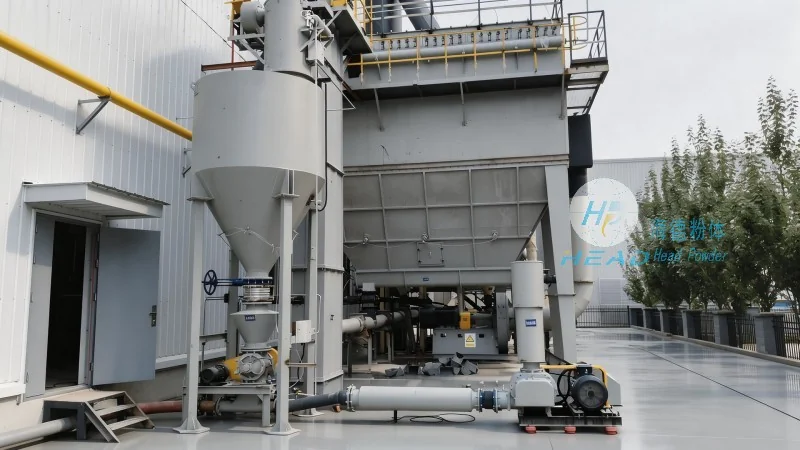
Ensuring System Reliability and Efficiency
Regular maintenance and proper operation are vital to the long-term performance of a gypsum powder pneumatic conveying system. Monitoring pressure, flow rates, and temperature helps in early detection of issues. Additionally, using materials resistant to corrosion and abrasion, such as stainless steel or special coatings, extends the system's lifespan. Shandong HeadPowder Engineering Co., Ltd. specializes in designing and manufacturing customized pneumatic conveying solutions tailored to the unique needs of each client, ensuring optimal performance and reliability.




