Welcome to Shandong HeadPowder Engineering Co., Ltd., a leading provider of advanced pneumatic conveying solutions. Our company specializes in the design and implementation of micropellet powder pneumatic conveying systems, which are essential for efficient material handling in various industrial applications. This article outlines key design considerations to ensure optimal performance, reliability, and safety in such systems.
Understanding Micropellet Powder Properties
Before designing a pneumatic conveying system for micropellet powders, it is crucial to understand the physical and chemical properties of the material. Micropellets typically have a specific particle size, density, and flowability, which directly impact the selection of conveying equipment and system configuration. For instance, the particle size distribution affects the air velocity required for proper suspension, while the density influences the pressure drop across the system. At HeadPowder, our engineers conduct thorough material analysis to determine these properties accurately, ensuring that the design aligns with the material's characteristics.
System Configuration and Components
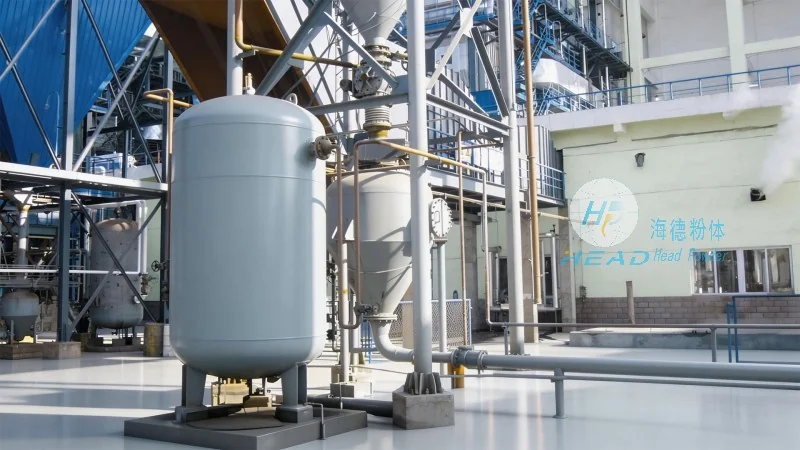
The configuration of a micropellet powder pneumatic conveying system involves several critical components, each playing a vital role in the overall operation. The primary components include the material feed hopper, the air supply system (blower or compressor), the conveying line (piping or flexible hoses), and the discharge unit. The choice of these components depends on factors such as the material's flowability, the required conveying distance, and the desired throughput. For example, when dealing with micropellets that are prone to bridging or agglomeration, a hopper with a sloped bottom and a rotary valve is often recommended to ensure consistent material flow. The air supply system must be capable of delivering sufficient air volume and pressure to maintain the material in suspension throughout the conveying process. At HeadPowder, we offer customized solutions that integrate these components seamlessly, optimizing performance and minimizing energy consumption.
Material Handling and Flow Control
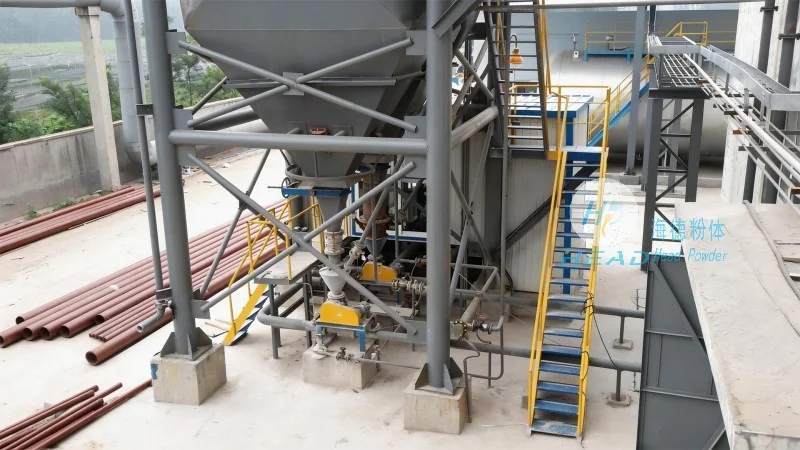
Effective flow control is essential to prevent issues like blockages, pressure surges, or material degradation in micropellet powder pneumatic conveying systems. Proper control of the air flow rate and pressure is critical to maintain the material in a suspended state without causing excessive wear on the system components. The use of flow meters and pressure sensors allows for real-time monitoring and adjustment of the system parameters, ensuring stable operation. Additionally, the design of the conveying line, including the use of bends, elbows, and expansion joints, must be optimized to minimize pressure losses and prevent particle deposition. HeadPowder's expertise in material handling ensures that our systems are equipped with advanced control mechanisms that maintain consistent flow rates and prevent operational disruptions.
System Safety and Maintenance
Safety is a paramount consideration in the design of any industrial system, and micropellet powder pneumatic conveying systems are no exception. Proper safety measures, such as explosion-proof designs for the air supply units and emergency shut-off valves, are essential to prevent accidents. Regular maintenance is also crucial to ensure the longevity and reliability of the system. At HeadPowder, we provide comprehensive maintenance services and recommend regular inspections of components like the blower, filters, and conveying lines to identify and address potential issues before they escalate. Our team of experienced engineers is available to offer technical support and guidance on maintenance procedures, ensuring that the system operates safely and efficiently over its service life.
Customization and Application Flexibility
Every industrial application has unique requirements, and micropellet powder pneumatic conveying systems must be adaptable to meet these needs. HeadPowder specializes in providing customized solutions that can be tailored to specific processes, such as pharmaceutical, food, or chemical industries. Our engineers work closely with clients to understand their operational needs and design systems that optimize material transfer while adhering to industry standards and regulations. Whether the application involves short-distance conveying or long-distance transport, our systems are designed to handle a wide range of micropellet types and throughputs. The flexibility of our solutions allows for easy integration into existing production lines and future expansion as business needs evolve.
Conclusion
In conclusion, the design of micropellet powder pneumatic conveying systems requires a comprehensive understanding of material properties, system components, flow control, safety measures, and customization options. At Shandong HeadPowder Engineering Co., Ltd., we leverage our expertise and experience to deliver high-quality, reliable systems that meet the diverse needs of our clients. By adhering to these design considerations, industries can achieve efficient material handling, reduced downtime, and improved overall operational performance. For more information on our pneumatic conveying solutions, please contact us at HeadPowder.




