Ammonium chloride (NH₄Cl) is a critical chemical in numerous industrial sectors, including agriculture, chemical manufacturing, and metal processing. The efficient and safe transport of this material from storage to processing units is essential for maintaining production efficiency and operational safety. Pneumatic conveying systems provide an effective solution by utilizing air or gas to move bulk materials like ammonium chloride through pipelines. However, the design of such systems requires meticulous attention to technical and operational factors to ensure optimal performance, minimize equipment wear, and prevent material degradation. This article outlines key design considerations for ammonium chloride pneumatic conveying systems, focusing on the engineering principles and practical aspects that professionals must address when developing a reliable system.
Material Properties and Their Impact on System Design
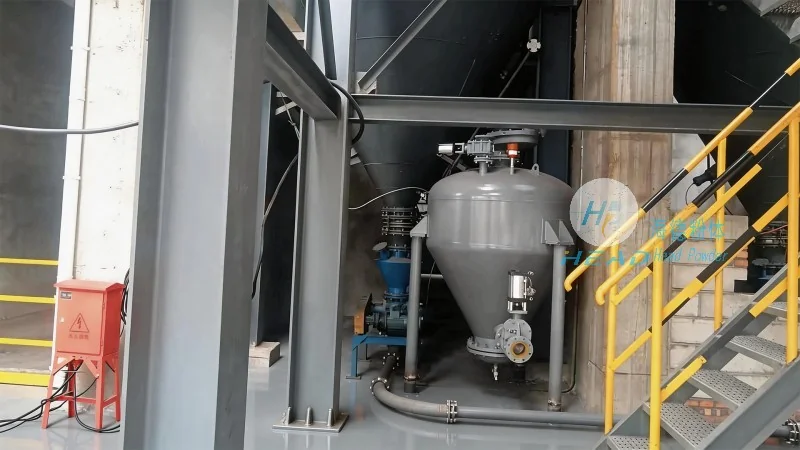
The physical properties of ammonium chloride significantly influence the design of a pneumatic conveying system. Key properties include particle size distribution, bulk density, and flowability. Ammonium chloride particles typically range from 0.1 to 2 mm in diameter, with a wide distribution that can affect flow uniformity. A broad particle size range may lead to uneven material discharge from the hopper and increased pressure drop in the pipeline. Proper sizing of the hopper and feeder is crucial to accommodate the material's flow characteristics and prevent blockages. The bulk density of ammonium chloride is approximately 1.5 g/cm³, which determines the required air velocity and pressure for effective transport. Flowability is another critical factor; if the material is cohesive or prone to agglomeration, additional measures such as vibration or mechanical agitation may be necessary to maintain consistent flow. These considerations are vital to ensure the system operates efficiently and without interruptions.
System Configuration: Dilute-Phase vs. Dense-Phase
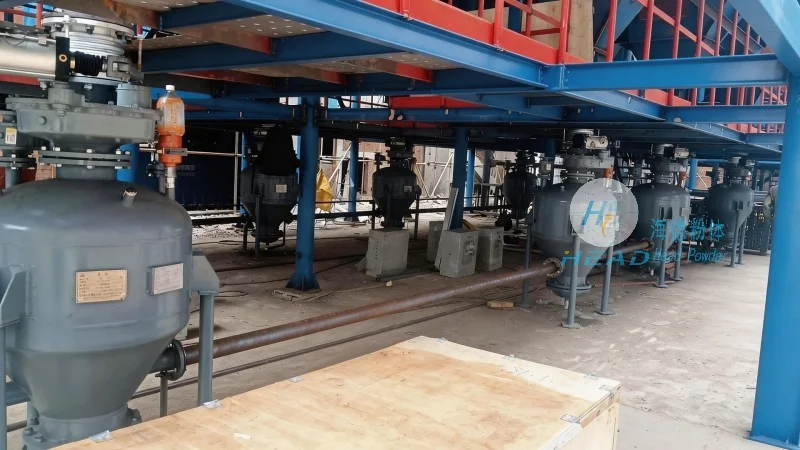
The choice between dilute-phase and dense-phase pneumatic conveying systems depends on the distance, elevation change, and material handling requirements. Dilute-phase systems operate at high air velocities (20-30 m/s) and low material concentrations, making them suitable for short distances (up to 100 meters) and minimal vertical lifts. Dense-phase systems, in contrast, use lower air velocities (5-15 m/s) and higher material concentrations, ideal for longer distances and significant vertical elevations. For ammonium chloride, a dense-phase system is often preferred due to the material's tendency to settle and the need for controlled, steady flow. This configuration minimizes the risk of material degradation and ensures consistent delivery to the processing unit. The system components, including the hopper, feeder, pipeline, air compressor, and receiver, must be carefully selected and sized to match the chosen configuration. For example, the hopper should be designed with a conical shape to facilitate uniform material discharge, and the feeder (such as a rotary valve or screw feeder) should be capable of handling the material's flow characteristics without causing blockages.
Material of Construction and Corrosion Resistance
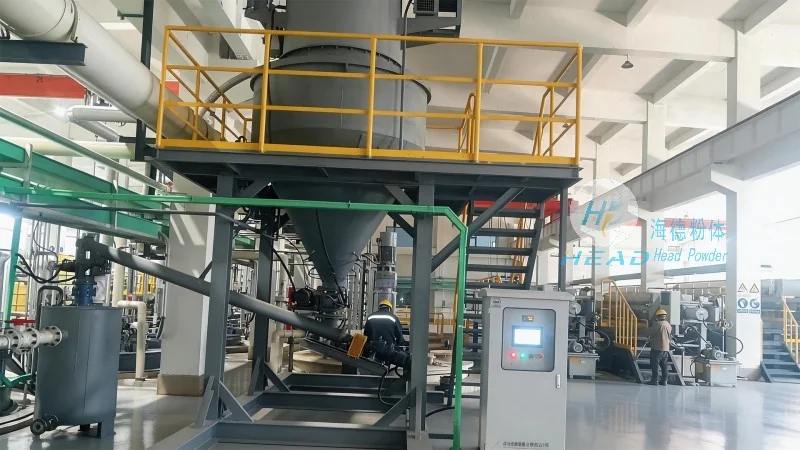
Ammonium chloride is hygroscopic, meaning it absorbs moisture from the air, which can lead to caking and reduced flowability. This property necessitates the use of corrosion-resistant materials in the system components. Stainless steel is commonly used for the pipeline, hopper, and feeder due to its resistance to corrosion from ammonium chloride and moisture. Other materials, such as PVC or polyethylene, may be used for short sections or in low-pressure applications, but stainless steel is preferred for long-term reliability. The air compressor and other mechanical components should also be made of materials that can withstand the corrosive environment. Proper sealing of the hopper and feeder is essential to prevent moisture ingress and maintain the material's quality. Additionally, the system should include a dust collection and filtration system to prevent airborne particles from entering the workplace and causing health hazards.
Safety and Environmental Considerations
Handling ammonium chloride requires strict adherence to safety protocols due to its potential health effects. Inhalation of ammonium chloride dust can cause respiratory irritation, and ingestion can lead to gastrointestinal issues. The pneumatic conveying system must be designed with safety features such as dust collection, proper ventilation, and personal protective equipment (PPE) for operators. The system should include interlocks to prevent operation if the hopper is empty or if there are blockages, reducing the risk of accidents. Regular maintenance and inspection of the system are also critical to ensure it operates safely and efficiently. Environmental considerations include preventing the release of ammonium chloride dust into the atmosphere, which can affect air quality and nearby ecosystems. The receiver should be equipped with a sealed design to contain the material and prevent spills or leaks.
Maintenance and Performance Optimization
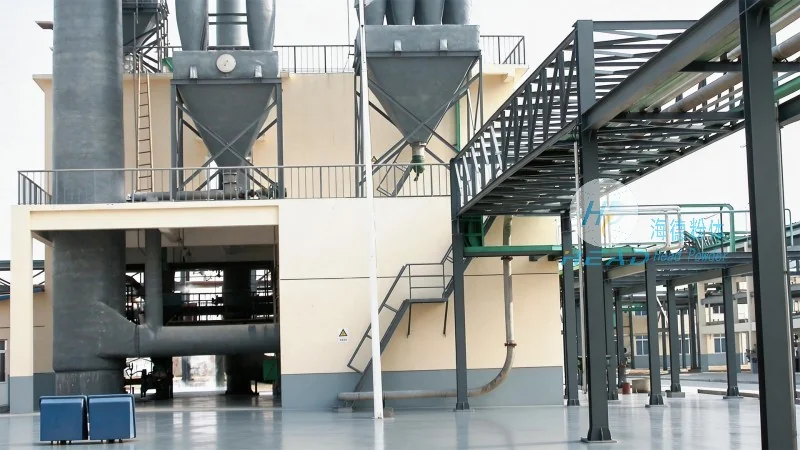
Optimizing the performance of a pneumatic conveying system for ammonium chloride involves regular monitoring and maintenance. The system's pressure drop should be measured periodically to detect any changes that may indicate blockages or wear in the components. The air compressor should be maintained to ensure consistent pressure and volume output, as fluctuations can affect system performance. The hopper and feeder should be inspected for signs of material buildup or corrosion, and cleaned as needed to prevent clogging. The pipeline should be cleaned regularly using appropriate methods, such as air blowback or mechanical cleaning, to remove any accumulated material. Proper maintenance can extend the life of the system and reduce downtime. Additionally, using high-quality components and materials, such as stainless steel for the pipeline and corrosion-resistant seals, can improve the system's durability and reduce long-term maintenance costs.




