When designing a pneumatic conveying system for petroleum coke powder, several critical factors must be considered to ensure efficient, reliable, and cost-effective operation. The system's performance is heavily influenced by the material properties of petroleum coke, the system's configuration, and the operational parameters. This article outlines key design considerations to help engineers and operators achieve optimal results, with a focus on the expertise of Shandong HeadPowder Engineering Co., Ltd., a leading provider in the field.
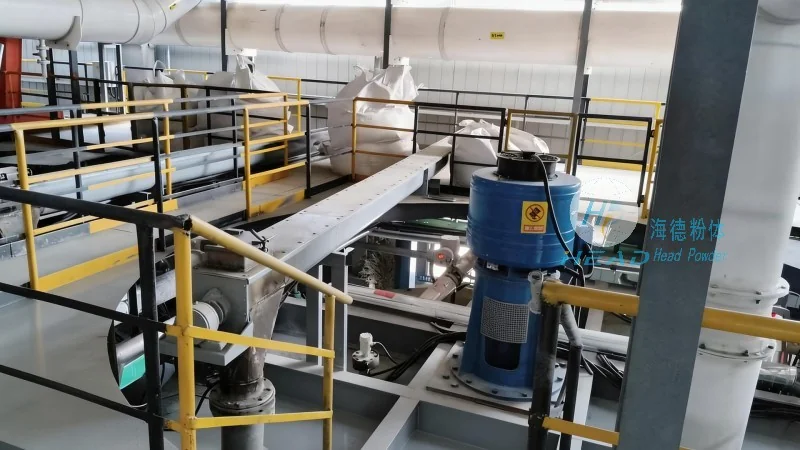
Material Characteristics and Flow Properties
The first step in designing a pneumatic conveying system for petroleum coke powder is to thoroughly understand the material's characteristics. Petroleum coke is a fine, abrasive powder with specific density, particle size distribution, and flowability. These properties directly impact the selection of conveying air velocity, pressure, and the type of equipment used. For instance, the particle size and density affect the required air velocity to maintain a dilute phase flow, which is crucial for preventing blockages and ensuring smooth material transport. The abrasive nature of petroleum coke also necessitates the use of high-quality, wear-resistant components such as pipes, valves, and cyclones to extend the system's lifespan and minimize maintenance costs.
System Configuration and Conveying Modes
There are primarily two modes of pneumatic conveying: dilute phase and dense phase. The choice between these modes depends on the material's characteristics and the distance to be conveyed. Dilute phase systems operate at higher air velocities, typically 20-30 m/s, and are suitable for short to medium distances (up to several hundred meters). They are efficient for handling fine powders like petroleum coke but require higher air volumes. Dense phase systems, on the other hand, use lower air velocities (5-15 m/s) and higher pressure, making them ideal for longer distances and more viscous materials. For petroleum coke powder, a dilute phase system is often preferred for its simplicity and lower energy consumption, but the design must account for the material's tendency to settle and agglomerate, which can lead to blockages if not properly managed.
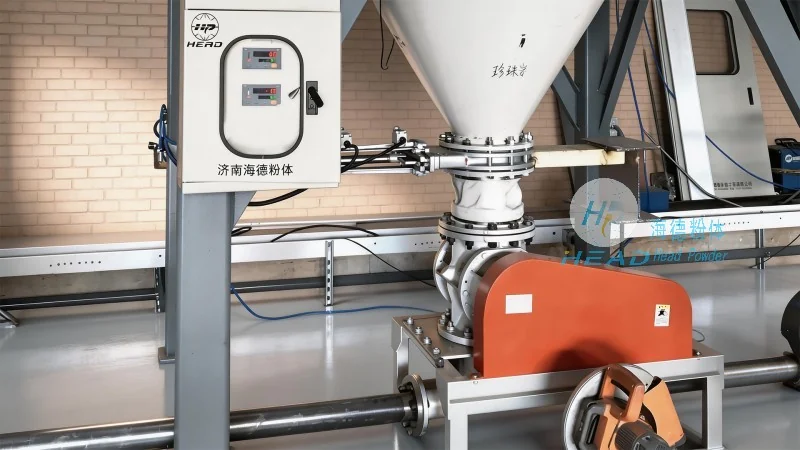
Equipment Selection and Sizing
Proper equipment selection is vital for the success of a petroleum coke powder pneumatic conveying system. The key components include the feed hopper, air compressor, conveying line, and collection hopper. The feed hopper must be designed to prevent material bridging and ensure consistent feeding. It often incorporates aeration or vibration mechanisms to maintain a uniform flow. The air compressor must be sized to provide sufficient pressure and volume to overcome system resistance and maintain the required air velocity. The conveying line's diameter and length are critical; larger diameters reduce pressure drop but increase cost, while longer lines require higher pressure or additional boosters. Cyclones or filters at the receiving end are essential to separate the powder from the air stream and prevent dust emissions. The selection of these components should be based on the material's flow properties and the system's operational requirements.
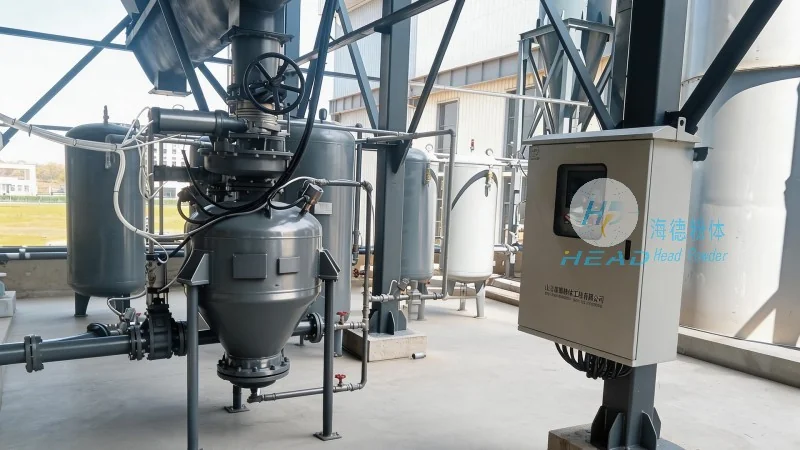
Pressure Drop and Energy Efficiency
Pressure drop is a critical factor in pneumatic conveying system design as it directly impacts energy consumption. The pressure drop in the conveying line is influenced by the material's friction with the pipe walls, the air velocity, and the pipe diameter. For petroleum coke powder, which is abrasive, the pressure drop can be higher than for less abrasive materials. Engineers must calculate the pressure drop accurately to select an appropriate air compressor and ensure the system operates within its efficiency range. Energy efficiency is a key consideration, as pneumatic conveying systems can be energy-intensive. Optimizing the system design, such as using the right pipe diameter and minimizing bends and fittings, can reduce pressure drop and lower operational costs. Additionally, using energy-efficient air compressors and implementing proper maintenance schedules can further enhance the system's overall energy performance.
Control and Monitoring Systems
Effective control and monitoring systems are essential for maintaining the performance and reliability of a petroleum coke powder pneumatic conveying system. These systems help in detecting and addressing issues such as blockages, pressure fluctuations, and material buildup in real-time. Sensors and instrumentation, such as pressure transducers, flow meters, and level indicators, are installed at critical points in the system to provide continuous monitoring data. Automated control systems can adjust the air flow rate, pressure, and feeding rate based on the system's conditions, ensuring stable operation. For example, if a blockage is detected in the conveying line, the system can automatically reduce the air flow or increase the pressure to clear the obstruction. Regular monitoring and maintenance of these systems are crucial to prevent unexpected failures and ensure the system operates at optimal performance levels.




