Pneumatic conveying systems are critical for the efficient and safe handling of magnesium oxide powder in industrial settings. The design of such systems demands careful consideration of multiple technical factors to ensure optimal performance, reliability, and cost-effectiveness. This article outlines key design considerations for magnesium oxide powder pneumatic conveying systems, focusing on aspects that directly impact system efficiency and operational success.
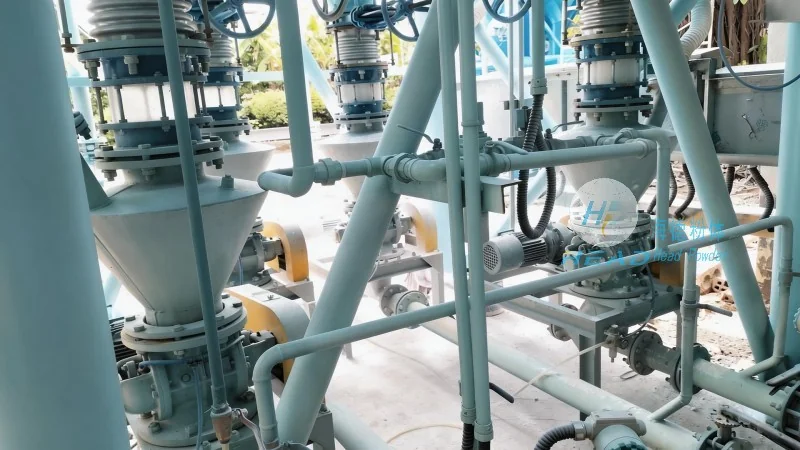
Material Properties and Their Influence on System Design
The physical and chemical characteristics of magnesium oxide powder significantly affect the selection of pneumatic conveying equipment and system configuration. Magnesium oxide is a fine, dry powder with specific attributes like particle size distribution, bulk density, and flowability. These properties dictate the air velocity required for proper transport, the risk of dust accumulation, and the potential for material degradation during handling. For example, fine particles may necessitate higher air velocities to prevent settling or blockages, while cohesive or hygroscopic powders may require specialized equipment such as rotary valves or airlocks to maintain consistent flow.
System Configuration and Component Selection
The configuration of a pneumatic conveying system for magnesium oxide powder typically includes several key components: a material feed system, conveying lines, separation and collection equipment, and control mechanisms. The choice of components depends on the system's capacity, the distance of material transport, and the desired level of automation. For instance, a dilute phase system may be suitable for short-distance transport with moderate flow rates, while a dense phase system is preferred for longer distances or when handling more abrasive or sensitive materials. The selection of materials for components, such as the construction of the conveying line (e.g., stainless steel or plastic), is also critical to prevent corrosion or material buildup, especially when dealing with magnesium oxide's potential reactivity with certain metals.
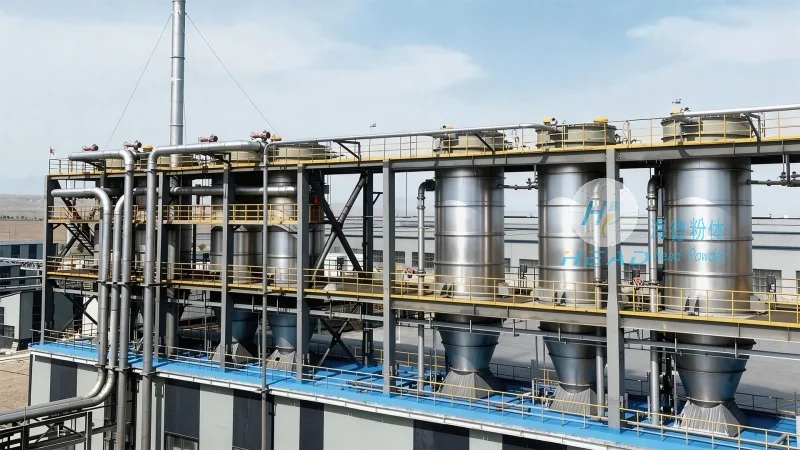
Pressure and Airflow Management
Effective pressure and airflow management are paramount in pneumatic conveying systems for magnesium oxide powder. The system must maintain appropriate air pressure and velocity to ensure that the powder is entrained and transported without excessive energy consumption or material degradation. This involves calculating the necessary air volume and pressure based on the material's properties and the system's design parameters. Proper airflow management also helps in controlling dust emissions and maintaining a stable conveying process. For example, using variable frequency drives (VFDs) to adjust air flow can optimize energy use while maintaining consistent material transport, especially in systems with varying load conditions.
Prevention of Material Degradation and Contamination
Ensuring the integrity of magnesium oxide powder during handling is crucial, as degradation can affect the material's quality and performance in downstream processes. Pneumatic conveying systems must be designed to minimize mechanical stress, temperature changes, and exposure to contaminants. This includes using gentle handling equipment, maintaining proper temperature control, and implementing effective filtration and cleaning procedures. For instance, avoiding high-velocity impacts or excessive vibration in the conveying line can prevent particle breakage, while regular maintenance of filters and seals can prevent contamination from external sources. Additionally, the system should be designed to prevent moisture absorption, as magnesium oxide can absorb moisture from the air, leading to clumping or changes in physical properties.
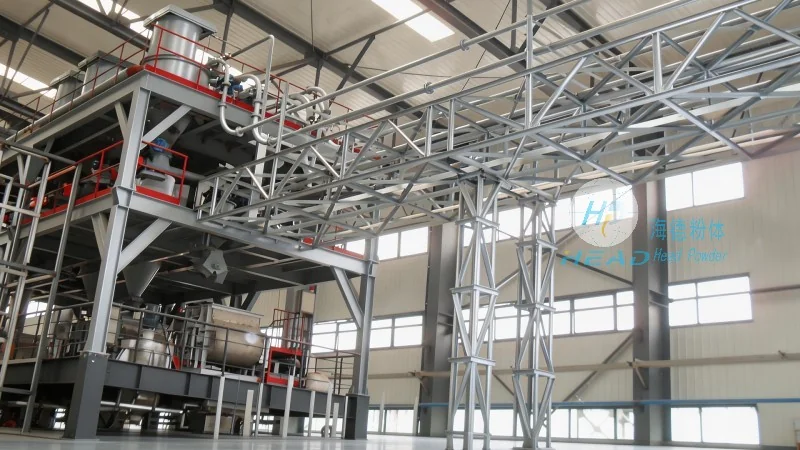
System Integration and Automation
Modern pneumatic conveying systems for magnesium oxide powder often incorporate advanced automation and control systems to enhance operational efficiency and safety. These systems may include sensors for monitoring material flow, pressure, and temperature, as well as control panels for managing system operations. Automation can help in optimizing the conveying process, reducing downtime, and improving overall system reliability. For instance, using level sensors to detect material levels in hoppers or silos can trigger automatic feeding, while pressure sensors can adjust air flow in real-time to maintain consistent transport. Additionally, integrating the conveying system with other industrial processes, such as storage or processing equipment, can create a seamless material handling workflow, further enhancing operational efficiency.
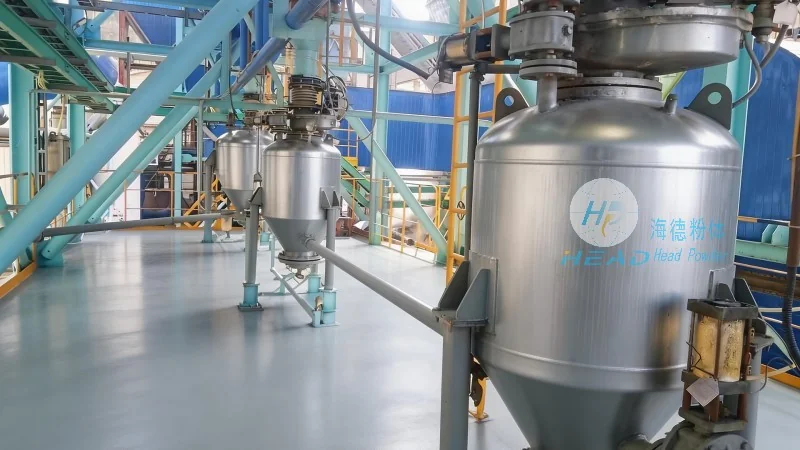
Maintenance and Operational Considerations
Regular maintenance is essential to ensure the long-term performance and reliability of a magnesium oxide powder pneumatic conveying system. This includes routine checks of components like rotary valves, airlocks, and filters, as well as cleaning and replacement of worn parts. Proper maintenance can prevent system failures, reduce downtime, and extend the lifespan of the equipment. Operational considerations also include training personnel on proper system operation and safety procedures, as well as establishing maintenance schedules and protocols. For example, scheduling regular inspections of the conveying line for signs of wear or corrosion can help identify issues before they lead to system breakdowns. Additionally, maintaining proper lubrication of moving parts and ensuring that all safety devices are functional is critical for safe and efficient operation.
Conclusion: Optimizing Pneumatic Conveying for Magnesium Oxide Powder
In conclusion, the design of a pneumatic conveying system for magnesium oxide powder requires a comprehensive approach that considers material properties, system configuration, pressure management, and operational factors. By addressing these key considerations, industrial facilities can achieve efficient, reliable, and cost-effective handling of magnesium oxide powder. The integration of advanced technology and proper maintenance practices further enhances system performance and longevity. As a leading provider in the field, Shandong HeadPowder Engineering Co., Ltd. specializes in designing and implementing such systems, leveraging years of experience to deliver tailored solutions that meet the specific needs of clients in various industries.




