When it comes to the efficient and reliable transportation of purified ash, various methods are employed across industrial applications. These methods are crucial for ensuring the safe and effective movement of ash from its source to disposal or processing sites. The choice of transportation method often depends on factors such as ash characteristics, distance, and the specific requirements of the end-use application.
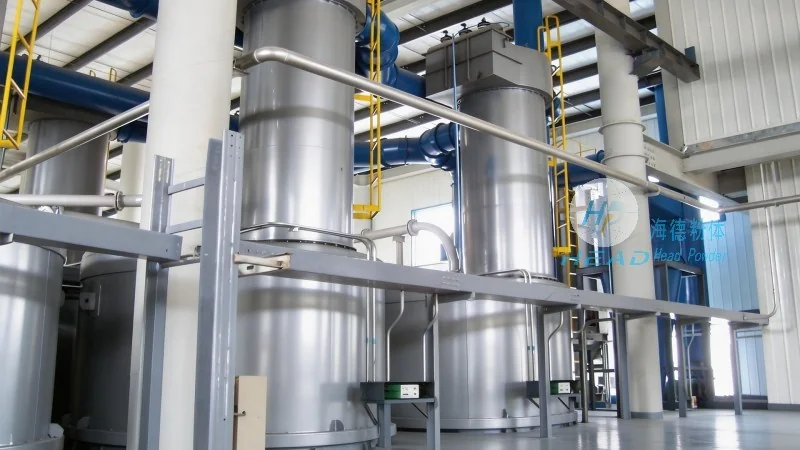
Key Factors Influencing Transportation Method Selection
Before delving into the specific methods, it's essential to understand the key factors that influence the selection of a transportation system. These factors include the physical properties of the ash, such as particle size, moisture content, and density, as well as the distance over which the ash needs to be transported. Additionally, the scale of the operation, environmental regulations, and the availability of infrastructure play significant roles in determining the most suitable method.
Common Methods for Purified Ash Transportation
There are several established methods for transporting purified ash, each with its own advantages and applications. The primary methods include pneumatic conveying, belt conveyors, and slurry pipelines. Each of these methods is designed to handle the unique challenges associated with ash transportation, ensuring minimal loss, contamination, and operational disruptions.
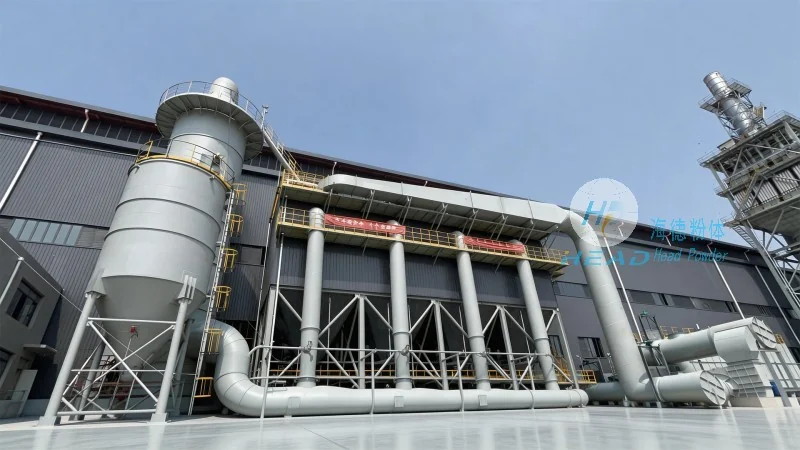
Pneumatic Conveying Systems
Pneumatic conveying is a widely used method for transporting purified ash, especially over short to medium distances. This system utilizes air pressure to move the ash particles through a pipeline. There are two main types of pneumatic conveying: positive displacement and negative pressure (or vacuum) systems. Positive displacement systems use a pump to push the ash through the pipeline, while vacuum systems create a negative pressure to draw the ash into the line. The choice between these systems depends on the distance, ash characteristics, and the need for gentle handling to prevent particle degradation.
Belt Conveyors
Belt conveyors are another common method for transporting purified ash, particularly for longer distances or bulk quantities. These systems consist of a continuous belt that moves the ash along a path, often elevated or on a slope. Belt conveyors are highly efficient for transporting large volumes of ash and can be integrated with other processing equipment. They are particularly suitable for applications where the ash needs to be moved over horizontal or slightly inclined distances, and where the ash is in a dry or semi-dry state.
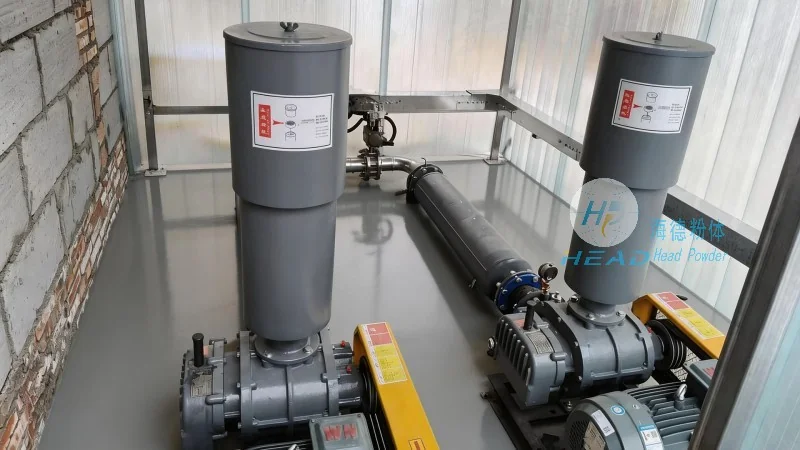
Slurry Pipeline Systems
Slurry pipeline systems are used for transporting ash mixed with water, forming a slurry. This method is ideal for long-distance transportation, as it can handle the ash over hundreds of kilometers. The slurry is pumped through a pipeline using centrifugal pumps, and the system is designed to maintain the ash in a suspended state to prevent settling and blockages. Slurry pipelines are often used in applications where the ash needs to be transported to a disposal site or a processing facility located far from the source.
Advantages and Considerations of Each Method
Each transportation method has its own set of advantages and considerations. Pneumatic conveying offers the advantage of gentle handling, which is beneficial for preserving the quality of the ash. However, it may require higher energy consumption and can be less efficient for very long distances. Belt conveyors are cost-effective for bulk transportation and can handle large volumes, but they may not be suitable for very fine or abrasive ash particles. Slurry pipelines are highly efficient for long distances and can handle large volumes, but they require careful maintenance to prevent pipeline blockages and corrosion.
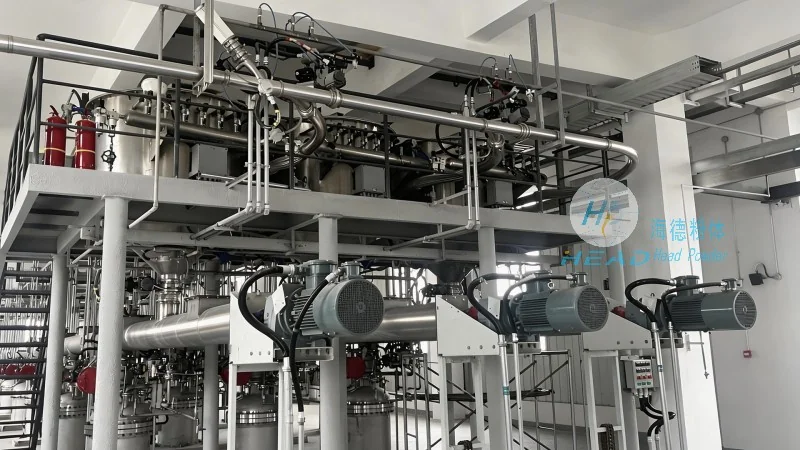
Application Examples and Case Studies
Companies like Shandong HeadPowder Engineering Co., Ltd. specialize in designing and implementing these transportation systems for various industrial clients. For instance, in a power plant application, purified ash from the combustion of coal may be transported using a combination of pneumatic conveying and belt conveyors to move the ash from the boiler to a storage facility. In another case, a mining operation may use slurry pipelines to transport ash from a processing plant to a disposal site located miles away. These examples highlight the versatility and effectiveness of the different transportation methods in real-world applications.
Conclusion and Future Trends
In conclusion, the selection of a purified ash transportation method is a critical decision that impacts the efficiency and sustainability of industrial operations. By understanding the key factors and the characteristics of each method, industries can choose the most appropriate system for their specific needs. As technology advances, there is a growing focus on improving the efficiency and environmental performance of transportation systems, with innovations such as more energy-efficient pneumatic systems and advanced slurry pipeline designs.




