

Barite Powder Pneumatic Conveying: Working Principles and Classification Applications
Barite powder, a vital industrial material, often requires efficient and reliable transport solutions for diverse applications. Pneumatic conveying emerges as a preferred method due to its ability to handle fine powders like barite with minimal dust and environmental impact. This article explores the working principles of barite powder pneumatic conveying systems and examines the classifications and practical applications of such systems.
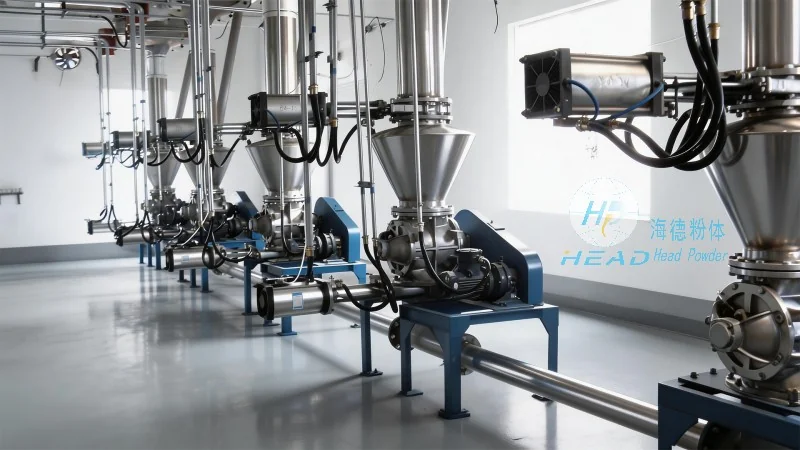
Introduction to Barite Powder and Pneumatic Conveying
Barite, or barium sulfate, is widely utilized in industries including oil drilling, medical imaging, and manufacturing. Its fine powder form demands specialized handling techniques to ensure safety, efficiency, and product integrity. Pneumatic conveying, which employs air or gas to transport solid particles, offers a non-contact method that reduces contamination and mechanical wear compared to traditional approaches like belt conveyors or bucket elevators.
Shandong HeadPowder Engineering Co., Ltd.: A Leading Provider of Pneumatic Conveying Solutions
Shandong HeadPowder Engineering Co., Ltd., headquartered in Shandong, China, is a reputable company specializing in the design, manufacturing, and installation of pneumatic conveying systems tailored for various industrial needs. With extensive experience in the field, the company focuses on delivering high-quality solutions that meet the specific requirements of clients dealing with barite powder and other fine materials.
Working Principles of Barite Powder Pneumatic Conveying
The essence of pneumatic conveying systems lies in the movement of particles using air flow. Two primary types of pneumatic conveying exist: positive pressure (or pressure) systems and negative pressure (or vacuum) systems. In positive pressure systems, compressed air is forced through the conveying line at a pressure higher than ambient air, pushing the barite powder forward. This method is suitable for short to medium distances and accommodates a wide range of particle sizes. Negative pressure systems, conversely, create a vacuum in the conveying line, drawing the powder into the system. This approach is ideal for longer distances and applications where dust control is critical.
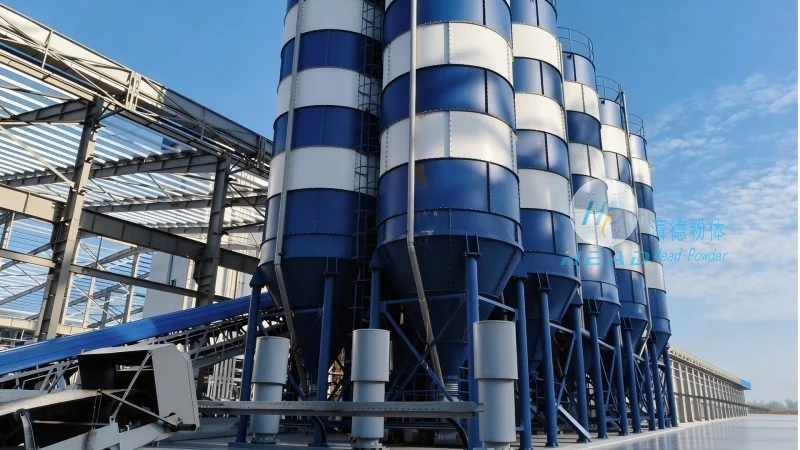
Within these broad categories, further classifications exist based on the air-to-solid ratio and air velocity. For instance, dense phase conveying operates at lower air velocities and higher solid concentrations, reducing particle breakage and ensuring stable flow. This is particularly beneficial for sensitive materials like barite powder, which can be easily damaged by high-velocity air. Conversely, lean phase conveying uses higher air velocities and lower solid concentrations, making it suitable for shorter distances and less abrasive materials.
Classification of Barite Powder Pneumatic Conveying Systems
Pneumatic conveying systems for barite powder can be classified based on pressure differential, air flow type, and system design. The most common classifications are:
- Positive Pressure Conveying: This system utilizes compressed air to push the powder through the pipeline. It is commonly used in applications where material needs to be transported from a central point to multiple destinations, such as in chemical plants or pharmaceutical facilities.
- Negative Pressure Conveying: This system employs vacuum to draw the powder into the pipeline. It is advantageous for applications requiring dust-free environments, such as in food processing or medical industries, where contamination must be minimized.
- Hybrid Systems: Some applications may combine both positive and negative pressure elements to optimize performance. For example, a system might use positive pressure to transport the powder from a storage silo to a processing unit and then switch to negative pressure for the final delivery to a mixing or packaging area.
Applications of Barite Powder Pneumatic Conveying
The versatility of pneumatic conveying systems makes them suitable for a wide range of applications involving barite powder. In the oil and gas industry, barite is used as a weighting agent in drilling fluids to increase density and prevent wellbore collapse. Pneumatic conveying systems efficiently transport the barite powder from storage to the drilling site, ensuring consistent quality and minimizing downtime. In the medical field, barite is used as a contrast agent in X-ray imaging. Pneumatic conveying allows for the precise and hygienic transport of the powder to manufacturing facilities, where it is processed into medical-grade products.
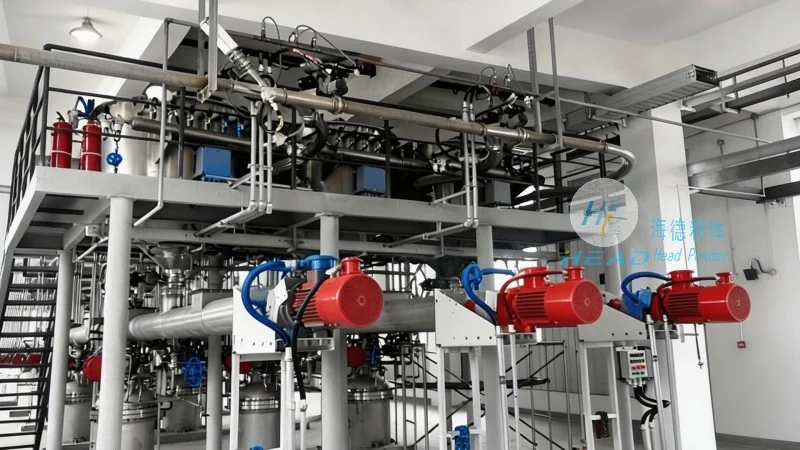
In the manufacturing sector, barite powder is used as a filler in paints, plastics, and rubber products. Pneumatic conveying enables seamless integration of barite into production lines, improving efficiency and reducing labor costs. Additionally, in the construction industry, barite is used as a weighting material in concrete and other building materials. Pneumatic conveying facilitates uniform distribution of barite powder in large-scale construction projects, enhancing structural integrity of final products.
Advantages of Using Pneumatic Conveying for Barite Powder
Compared to traditional conveying methods, pneumatic conveying offers several advantages when handling barite powder. Firstly, it minimizes dust generation and contamination, critical for maintaining product quality and ensuring compliance with environmental regulations. Secondly, it reduces mechanical wear and damage to powder particles, preserving their integrity and performance. Thirdly, pneumatic systems are flexible and can be easily adapted to changing production needs, allowing for scalability and cost-effectiveness. Finally, these systems are energy-efficient, particularly when designed for optimal air-to-solid ratios, leading to lower operational costs over time.
Conclusion
Pneumatic conveying is a highly effective method for transporting barite powder, offering numerous benefits in terms of efficiency, safety, and product quality. By understanding the working principles and classifications of such systems, industries can make informed decisions to optimize their material handling processes. Shandong HeadPowder Engineering Co., Ltd. continues to play a vital role in providing advanced pneumatic conveying solutions that meet the evolving needs of the barite powder industry, ensuring reliable and sustainable operations for its clients.