Rice husks, the protective outer covering of rice grains, are a byproduct of the rice milling process. These lightweight, fibrous materials are not only abundant but also possess significant industrial value. As a key component in various applications, from fuel to animal feed and even as a raw material for biofuels, the efficient transportation of rice husks is crucial for maximizing their utilization and ensuring smooth operations in processing facilities. This article delves into the various methods used for rice husk transportation, highlighting the technologies and considerations that make each approach suitable for different scenarios.
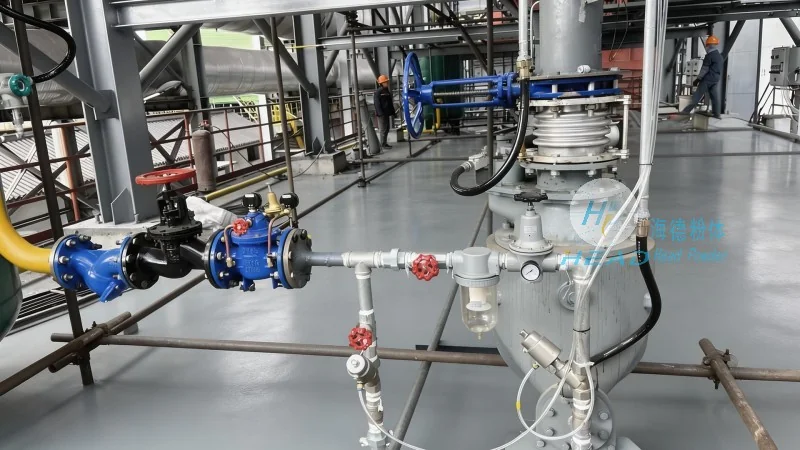
Understanding Rice Husks and Their Transportation Needs
Rice husks are characterized by their low density and high moisture content, which can vary depending on the drying process. These properties influence the choice of transportation method, as some systems are better suited to handle lightweight, dry materials, while others are designed for bulkier or more humid loads. The primary goal of rice husk transportation is to move these materials from the point of generation—such as the rice mill or drying area—to storage silos, processing units, or export facilities with minimal loss, contamination, or degradation. Effective transportation systems must also consider factors like space constraints, environmental impact, and operational costs, making the selection of the right method a critical decision for any rice processing operation.
Common Rice Husk Transportation Methods
Several transportation methods are widely used in the rice industry to move rice husks efficiently. Each method has its own advantages and is typically chosen based on the specific requirements of the facility, such as the scale of operation, the distance to be covered, and the characteristics of the material being transported.
1. Mechanical Conveyors (Belt Conveyors)
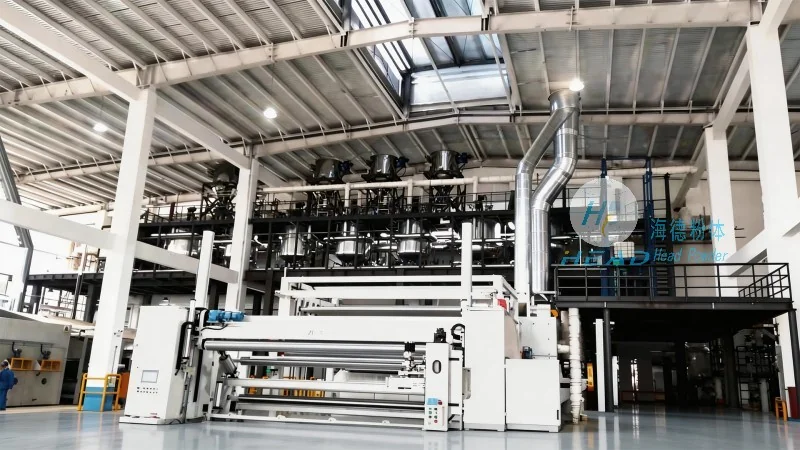
Belt conveyors are one of the most common and versatile methods for transporting rice husks. These systems consist of a continuous belt looped over pulleys, with the material placed on the belt and carried to the destination. The design of the belt conveyor can be customized to handle different loads and distances, making it suitable for both short and long runs within a processing plant. For rice husks, which are lightweight and dry, belt conveyors are particularly effective as they can transport large volumes at a steady pace with minimal energy consumption. The smooth operation of belt conveyors also reduces the risk of material breakage or contamination, ensuring that the rice husks remain in good condition for subsequent processing. Companies like Shandong HeadPowder Engineering Co., Ltd., a leading manufacturer of industrial conveyor systems, offer specialized belt conveyor solutions tailored to the unique needs of rice husk transportation. Their expertise in material handling and conveyor design ensures that facilities can achieve optimal performance and efficiency in moving rice husks from one stage to the next.
2. Screw Conveyors
Screw conveyors, also known as auger conveyors, are another popular choice for rice husk transportation. These systems use a rotating screw or auger to move materials along a trough. The screw is typically made of durable materials like stainless steel or high-density polyethylene to withstand the abrasive nature of rice husks. Screw conveyors are particularly effective for vertical or inclined transport, allowing rice husks to be lifted or moved upward with minimal power. They are also well-suited for handling materials with a higher moisture content or those that tend to clump together, as the screw’s rotation helps to break up and mix the material. For rice husks, which are generally dry and free-flowing, screw conveyors provide a reliable and low-maintenance option for moving the material within a facility. The compact design of screw conveyors makes them ideal for spaces where horizontal or vertical space is limited, and they can be integrated seamlessly with other processing equipment.
3. Pneumatic Conveying Systems
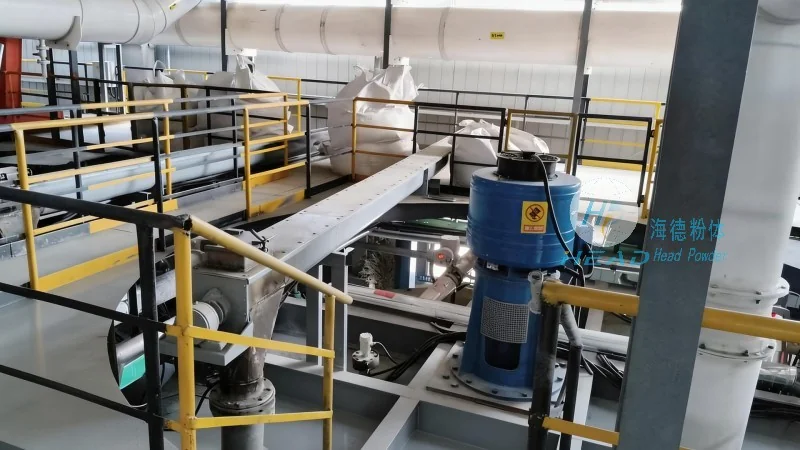
Pneumatic conveying, or air-based transport, is a method that uses compressed air to move rice husks through a pipeline. This system is particularly advantageous for long-distance or high-volume transportation, as it can move materials over significant distances without the need for multiple transfer points. There are two main types of pneumatic conveying systems: positive displacement and pressure dilute phase. Positive displacement systems use a pump to create a vacuum or pressure, drawing the rice husks into the pipeline and transporting them to the destination. Dilute phase systems, on the other hand, use higher air velocities to suspend the rice husks in the air, allowing them to be carried through the pipeline. Pneumatic conveying is especially effective for handling lightweight materials like rice husks, as the air flow can easily lift and move the particles. However, it requires careful consideration of air pressure and flow rates to prevent material degradation or blockages. For facilities that need to transport rice husks over long distances or to multiple locations, pneumatic conveying offers a flexible and efficient solution. Shandong HeadPowder Engineering Co., Ltd. has expertise in designing and implementing pneumatic conveying systems that meet the specific requirements of rice husk transportation, ensuring reliable and consistent performance.
4. Bucket Elevators
Bucket elevators are vertical or inclined conveyor systems that use a series of buckets attached to a belt or chain to lift and transport materials. These systems are particularly well-suited for vertical transport of rice husks, as they can move the material upward with high efficiency and minimal energy consumption. The buckets are designed to hold a specific amount of rice husks, and as the conveyor rotates, the buckets lift the material to the top of the elevator before dumping it into a discharge chute. Bucket elevators are ideal for moving rice husks from the ground level to storage silos or processing units located at higher elevations. They are also capable of handling materials with varying moisture content and can be equipped with features like cleaning mechanisms to prevent material buildup or blockages. For rice processing facilities, bucket elevators provide a reliable and durable solution for vertical transportation, ensuring that rice husks are moved safely and efficiently. The robust construction of bucket elevators, often made from stainless steel or other corrosion-resistant materials, makes them suitable for the harsh conditions often found in rice mills.
5. Vibrating Conveyors
Vibrating conveyors use vibrations to move rice husks along a trough. The system consists of a conveyor bed that is vibrated at a specific frequency and amplitude, causing the material to move forward due to the vibrations. This method is particularly effective for handling materials that are sticky or have a tendency to clump together, as the vibrations help to break up the material and prevent blockages. Vibrating conveyors are also well-suited for transporting rice husks over short to medium distances, and they can be customized to handle different load capacities and material characteristics. For facilities that need to move rice husks through areas with limited headroom or where space is constrained, vibrating conveyors offer a compact and efficient solution. The low maintenance requirements of vibrating conveyors make them a cost-effective choice for long-term operation. Shandong HeadPowder Engineering Co., Ltd. specializes in designing vibrating conveyor systems that are tailored to the unique needs of rice husk transportation, ensuring that facilities can achieve optimal performance and reliability.
Choosing the Right Transportation Method for Your Facility
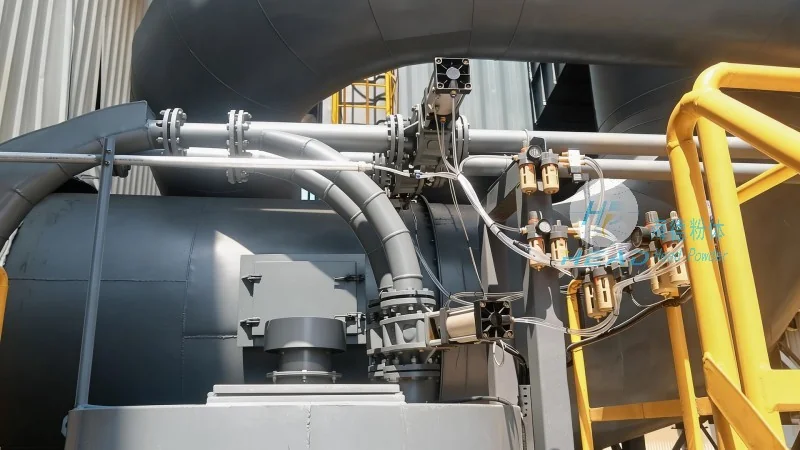
The choice of rice husk transportation method depends on several factors, including the scale of the operation, the distance to be covered, the characteristics of the material, and the available space. For small-scale operations or short-distance transport within a facility, mechanical conveyors like belt or screw conveyors may be sufficient. However, for larger operations or long-distance transportation, pneumatic conveying or bucket elevators may be more appropriate. The moisture content and bulk density of the rice husks also play a role in the selection process, as some systems are better suited to handle dry, lightweight materials, while others are designed for more humid or denser loads. Additionally, the layout of the processing facility and the need for integration with other equipment should be considered when choosing a transportation method. It is essential to work with experienced manufacturers and engineers who can assess the specific requirements of the operation and recommend the most suitable transportation solution. Companies like Shandong HeadPowder Engineering Co., Ltd. offer comprehensive consultation and design services to help facilities select and implement the right rice husk transportation system, ensuring that the operation runs smoothly and efficiently.
Conclusion
Efficient rice husk transportation is a critical component of any rice processing operation, as it directly impacts the overall productivity and profitability of the facility. By understanding the various transportation methods available and selecting the right system based on specific needs, facilities can ensure that rice husks are moved safely, efficiently, and with minimal loss or degradation. Whether using mechanical conveyors, pneumatic systems, or other technologies, the goal is to maximize the utilization of this valuable byproduct and support the sustainable operation of the rice industry. With the expertise of companies like Shandong HeadPowder Engineering Co., Ltd., facilities can achieve optimal performance in rice husk transportation, contributing to the success and growth of the rice processing sector.




