HeadPowder, a leading engineering firm based in Shandong, China, specializes in advanced material handling solutions tailored for agricultural and industrial applications. The company's expertise lies in developing efficient and reliable pneumatic conveying systems, particularly for handling silage materials. This article provides a comprehensive overview of the negative and positive pressure pneumatic conveying technologies used in silage material transport, highlighting their operational principles, advantages, and practical applications.
Introduction to Silage Material Pneumatic Conveying
Silage, a fermented forage used as animal feed, often requires specialized handling due to its moisture content and bulk density. Traditional methods like belt conveyors or manual loading can be inefficient and labor-intensive. Pneumatic conveying offers a more automated and hygienic solution, enabling the transport of silage from storage silos to processing facilities or feeding areas. The choice between negative and positive pressure systems depends on factors such as material characteristics, distance, and system design requirements.
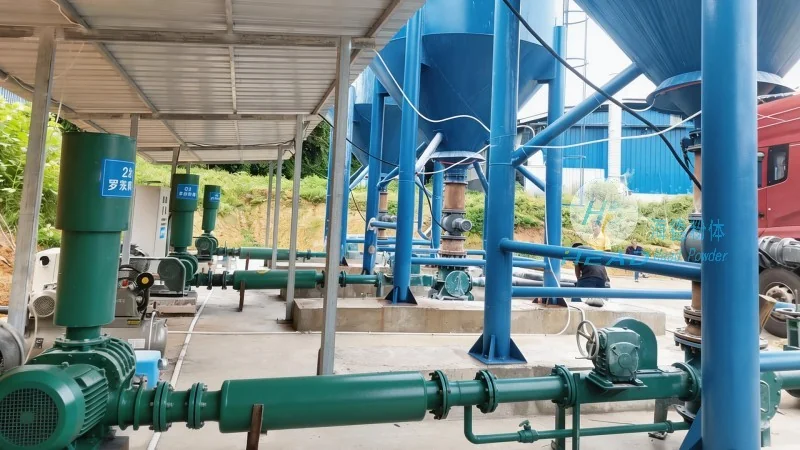
Negative Pressure Pneumatic Conveying Systems
Negative pressure, or vacuum, pneumatic conveying systems operate by creating a low-pressure zone at the inlet, drawing material into the pipeline using a vacuum pump. This method is particularly effective for handling fine or dusty materials and is often used in applications where the material is sourced from a hopper or silo. The system typically includes a vacuum pump, a filter to remove dust and particles, and a discharge valve at the receiving end. HeadPowder's negative pressure systems are designed to handle silage with high moisture content, ensuring minimal material degradation and maintaining the nutritional value of the feed.
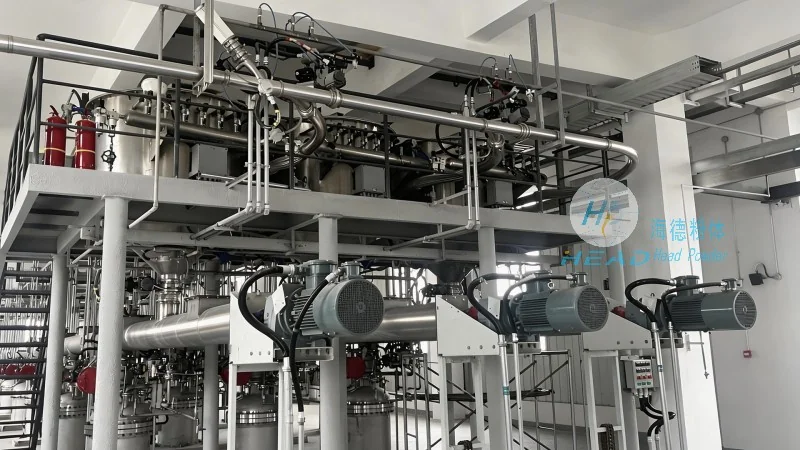
Positive Pressure Pneumatic Conveying Systems
Positive pressure systems, on the other hand, use a blower or fan to generate high-pressure air that pushes material through the pipeline. This approach is suitable for transporting bulkier or more abrasive materials over longer distances. The system comprises a pressure blower, a material feed hopper, and a discharge nozzle. HeadPowder's positive pressure solutions are engineered to handle larger silage particles and can be integrated with dust control mechanisms to minimize environmental impact. The high-pressure operation allows for efficient transport even in challenging layouts, such as vertical or horizontal inclines.
Key Advantages of Pneumatic Conveying for Silage
Both negative and positive pressure pneumatic conveying systems offer several advantages over conventional methods. These include reduced labor costs, improved hygiene and safety, and the ability to handle materials in a closed system, preventing contamination and odor spread. The automated nature of the systems also enhances operational efficiency, allowing for consistent and continuous material flow. HeadPowder's systems are designed with these benefits in mind, ensuring that silage is transported reliably and with minimal disruption to the feed chain.
Application Scenarios and System Integration
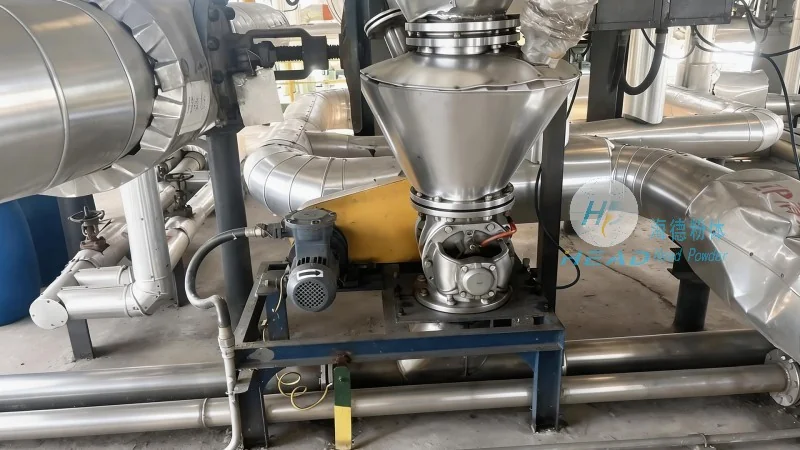
The application of negative and positive pressure pneumatic conveying in silage handling varies based on specific operational needs. For example, negative pressure systems are commonly used in on-farm silos where the material is drawn from a silo and transported to a feeding station. Positive pressure systems may be preferred in larger agricultural operations or processing plants where the distance between the silo and processing facility is greater. HeadPowder integrates these systems with other equipment, such as silo unloaders and feed mixers, to create comprehensive material handling solutions. The company's engineers work closely with clients to design customized systems that meet their specific requirements, ensuring optimal performance and cost-effectiveness.
Conclusion and Future Directions
As the agricultural industry continues to evolve, the demand for efficient and sustainable material handling solutions remains high. Pneumatic conveying technologies, particularly negative and positive pressure systems, play a crucial role in enhancing the efficiency of silage transport. HeadPowder, with its expertise in engineering and manufacturing, provides tailored solutions that address the unique challenges of silage handling. By leveraging advanced technology and innovative design, the company ensures that its systems deliver reliable performance, improve operational efficiency, and support the overall productivity of agricultural operations.




