

Types, Features, and Application Ranges of Powder Pneumatic Conveying Systems
HeadPowder, a leading provider of industrial powder handling solutions, specializes in advanced powder pneumatic conveying systems. With a strong presence in Shandong, China, the company offers comprehensive services tailored to meet diverse industrial needs. This article explores the various types, key characteristics, and practical application ranges of powder pneumatic conveying systems, highlighting their efficiency and versatility in modern manufacturing processes.
Introduction to Powder Pneumatic Conveying Systems
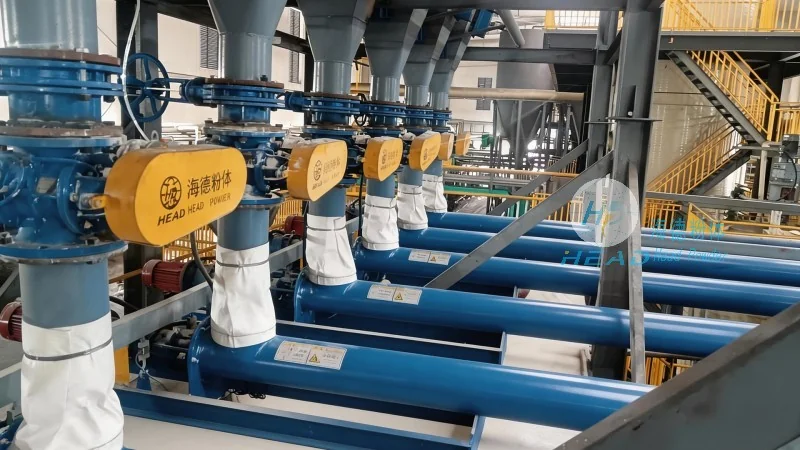
Powder pneumatic conveying systems are essential for transporting dry powders and granular materials over short to medium distances within industrial facilities. These systems utilize air or gas as the conveying medium to move materials from one location to another, eliminating the need for mechanical components like belts or buckets. The technology is widely adopted across multiple industries due to its ability to handle sensitive materials without degradation and its adaptability to different process requirements.
Types of Powder Pneumatic Conveying Systems
There are primarily two main categories of powder pneumatic conveying systems: positive pressure and negative pressure systems. Each type has distinct operational principles and is suited for specific material and application scenarios.
Positive Pressure Pneumatic Conveying
Positive pressure systems operate by blowing air or gas into the conveying line, creating a pressure higher than the ambient environment. The material is drawn into the system through a hopper or feeder and is propelled forward by the pressurized air. This method is particularly effective for conveying materials over longer distances or when the material is prone to dusting or caking. The system typically includes a blower, a hopper, and a discharge point, with the air being filtered and recycled to maintain environmental standards.
Negative Pressure Pneumatic Conveying
Negative pressure systems, also known as suction systems, create a vacuum within the conveying line by extracting air from the system. The material is drawn into the system due to the pressure differential and is transported to the discharge point. This type is ideal for applications where the material is to be collected from multiple sources or where the process requires a closed-loop system to prevent dust emissions. The system often incorporates a vacuum pump, a collection hopper, and a filter to ensure clean operation.
Mixed-Pressure Pneumatic Conveying
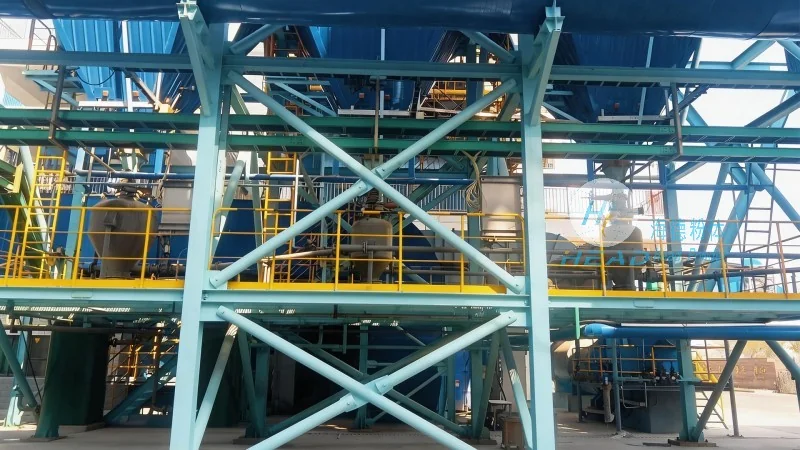
Mixed-pressure systems combine elements of both positive and negative pressure systems. They use a combination of blowing and suction to optimize material transport efficiency. This approach is beneficial for complex conveying routes that involve multiple transfer points or when the material has varying flow characteristics. The system can be configured to use positive pressure at the start of the line and negative pressure at the end, or vice versa, depending on the specific requirements of the process.
Key Features and Advantages of Powder Pneumatic Conveying
HeadPowder's powder pneumatic conveying systems are designed with several key features that enhance performance and reliability. These include:
1. Efficiency and Speed: The systems can transport materials at high velocities, reducing overall processing time compared to traditional mechanical methods. This efficiency is crucial for high-volume production lines where rapid material movement is essential.
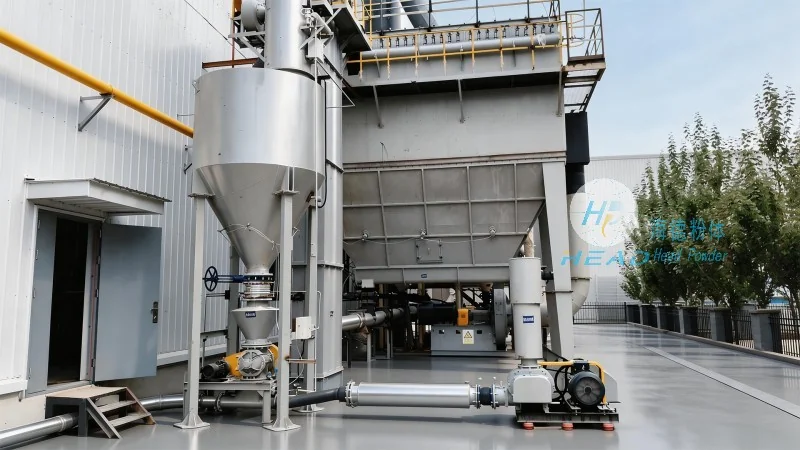
2. Flexibility and Versatility: The technology can handle a wide range of materials, from fine powders to coarse granules, and can be adapted to various conveying distances and layouts. This flexibility allows manufacturers to reconfigure their systems as production needs change.
3. Safety and Environmental Compliance: By enclosing the material in a sealed system, powder pneumatic conveying minimizes dust emissions and prevents material contamination. The systems are equipped with advanced filtration and air recycling features, ensuring compliance with environmental regulations and maintaining a safe working environment.
4. Low Maintenance and Durability: The absence of moving parts in the conveying line reduces wear and tear, leading to lower maintenance costs and longer system lifespan. High-quality materials and robust construction ensure that the systems can withstand the demands of continuous industrial operation.
Application Ranges of Powder Pneumatic Conveying Systems
Powder pneumatic conveying systems are widely used across various industries due to their adaptability and efficiency. The primary application ranges include: