Carbon fiber, a high-performance material with exceptional strength-to-weight ratio and excellent thermal and electrical properties, is widely used in aerospace, automotive, and sports equipment industries. The efficient and safe conveying of carbon fiber is crucial for manufacturing processes, as it directly impacts production efficiency and product quality. This article explores the various methods used for carbon fiber conveying, highlighting the key considerations and applications of each approach, with a focus on solutions provided by Shandong HeadPowder Engineering Co., Ltd., a leading manufacturer specializing in carbon fiber handling equipment.
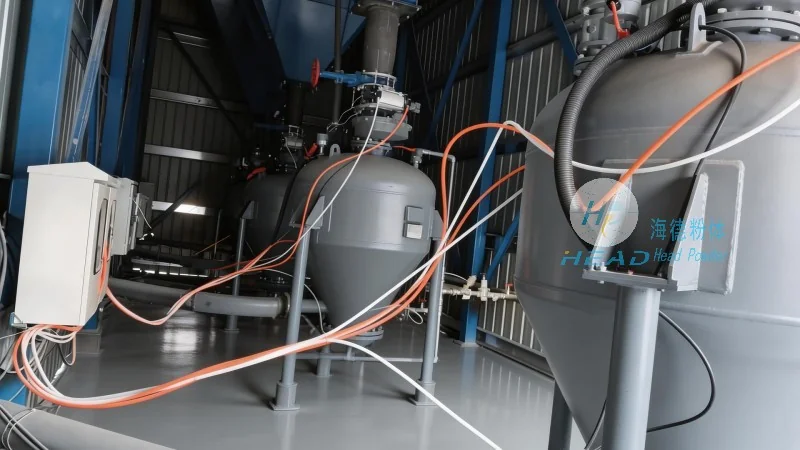
Overview of Carbon Fiber Conveying Methods
Carbon fiber conveying involves transporting raw or processed carbon fiber materials from one location to another within a production facility. The choice of conveying method depends on factors such as material type, particle size, production scale, and environmental requirements. Common methods include mechanical conveying systems, pneumatic conveying systems, and specialized handling equipment. Each method has its advantages and limitations, making it essential to select the most suitable option for specific applications.
Mechanical Conveying Systems
Mechanical conveying systems are widely used for carbon fiber handling due to their reliability and cost-effectiveness. These systems typically utilize components like conveyors, screw feeders, and bucket elevators to move materials. For carbon fiber, options such as belt conveyors, chain conveyors, and screw conveyors are commonly employed. Belt conveyors are ideal for transporting bulk carbon fiber in open or enclosed environments, while screw conveyors are suitable for handling fine or powdery carbon fiber, ensuring consistent flow and minimal material degradation. Mechanical systems are particularly effective for horizontal or slightly inclined transport, providing stable and continuous material movement. They are often integrated with dust collection and filtration systems to maintain a clean working environment, which is critical for carbon fiber processing where contamination can affect material properties.
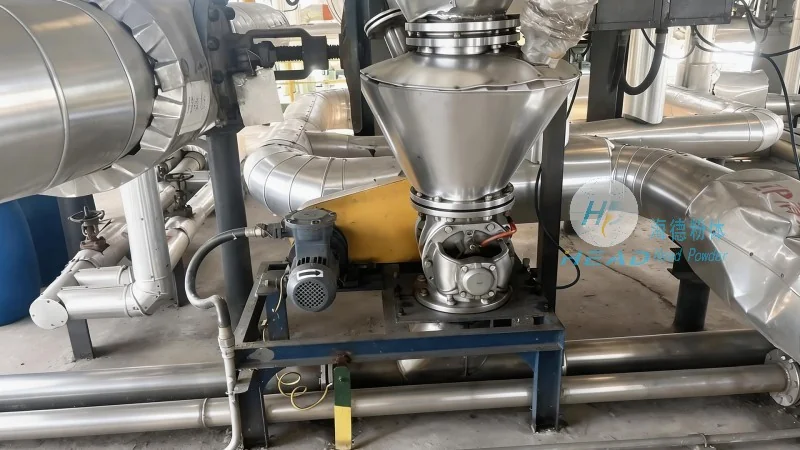
Pneumatic Conveying Systems
Pneumatic conveying systems use air or other gases to transport carbon fiber particles through a pipeline network. This method is particularly advantageous for handling fine or dust-like carbon fiber, as it minimizes material breakage and allows for long-distance transport without the need for complex machinery. There are two main types of pneumatic conveying: pressure and vacuum systems. Pressure systems use compressed air to push material through the pipeline, while vacuum systems use suction to draw material into the system. For carbon fiber, pressure systems are more commonly used due to their ability to handle higher material loads and provide consistent flow rates. Pneumatic conveying systems are often equipped with cyclone separators and filters to separate carbon fiber from air, ensuring efficient material recovery and preventing dust emissions. This method is particularly suitable for applications where space is limited or where the need for dust-free environments is paramount.
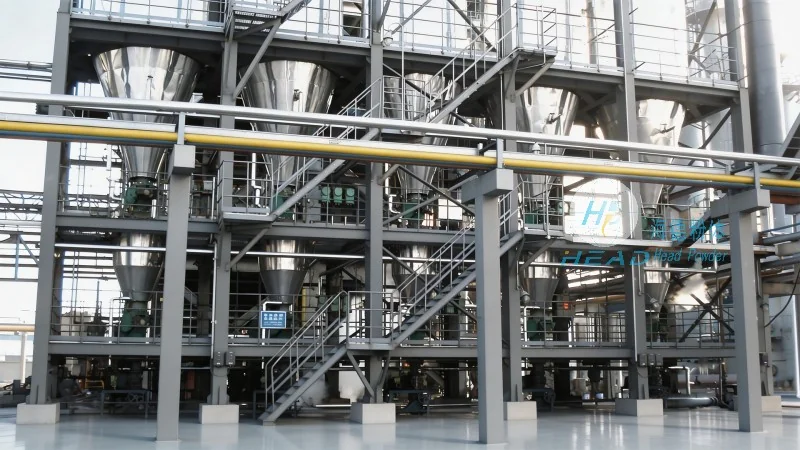
Specialized Handling Equipment
For specific applications, specialized handling equipment may be required to ensure the safe and efficient transport of carbon fiber. These include vacuum loaders, material handlers, and automated feeding systems. Vacuum loaders are used to collect carbon fiber from storage containers or production lines, providing a dust-free and controlled method of material transfer. Material handlers, such as robotic arms or automated guided vehicles (AGVs), can be integrated into production lines to move carbon fiber between different processing stages, enhancing flexibility and reducing manual labor. Automated feeding systems, often combined with sensors and control mechanisms, ensure precise and consistent material delivery to downstream equipment, improving overall production efficiency. These specialized systems are particularly useful in high-volume manufacturing environments where precision and reliability are critical.
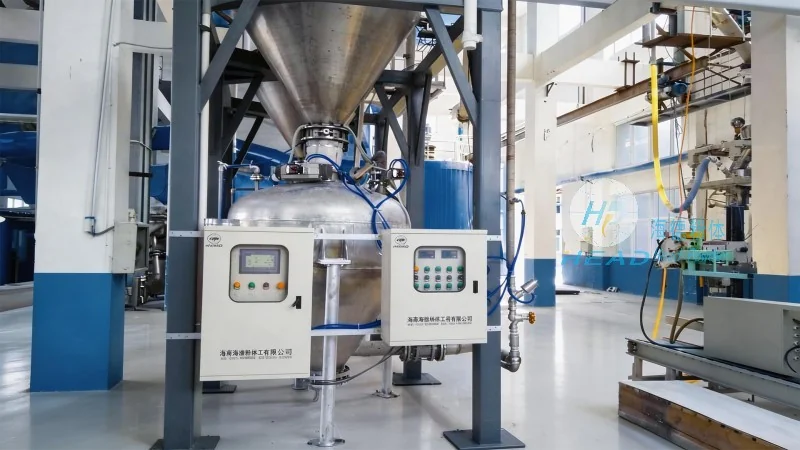
Key Considerations for Carbon Fiber Conveying
When selecting a carbon fiber conveying method, several factors must be considered to ensure optimal performance and material integrity. First, the physical properties of the carbon fiber, such as particle size, shape, and moisture content, play a significant role in determining the most suitable conveying system. For example, fine carbon fiber powders may require pneumatic systems to avoid blockages, while larger fibers may be better suited for mechanical systems. Second, the production scale and throughput requirements must be matched with the conveying capacity of the system. High-volume production lines may require multiple conveyors or larger pneumatic systems to maintain consistent material flow. Third, environmental and safety considerations are crucial, as carbon fiber dust can be hazardous if not properly managed. Conveying systems should be equipped with dust collection, filtration, and explosion-proof features to ensure a safe working environment. Finally, maintenance and operational costs must be considered, as different systems have varying levels of complexity and maintenance requirements.
Conclusion
Carbon fiber conveying is a critical aspect of modern manufacturing processes, and the choice of conveying method significantly impacts production efficiency and product quality. Mechanical, pneumatic, and specialized handling systems each offer unique advantages and are suitable for different applications. By carefully evaluating material properties, production requirements, and environmental factors, manufacturers can select the most appropriate carbon fiber conveying method. This ensures efficient material transport, maintains material integrity, and supports the overall success of carbon fiber-based production operations. As the demand for carbon fiber continues to grow, the development of advanced conveying technologies will play a vital role in meeting the evolving needs of the industry. Shandong HeadPowder Engineering Co., Ltd. remains committed to providing innovative and reliable carbon fiber conveying solutions to meet the diverse needs of its clients, ensuring high-quality material handling and enhanced production performance.




