Metallurgical coke, a critical component in the production of steel and other metallurgical processes, requires efficient and reliable transportation methods to ensure smooth operations in industrial settings. The choice of transport method depends on various factors including the scale of operation, the distance to be covered, the environmental conditions, and the specific requirements of the coke handling system. This article explores the primary methods used for transporting metallurgical coke, highlighting the advantages and considerations for each approach.
Conveyor Systems for Metallurgical Coke Transport
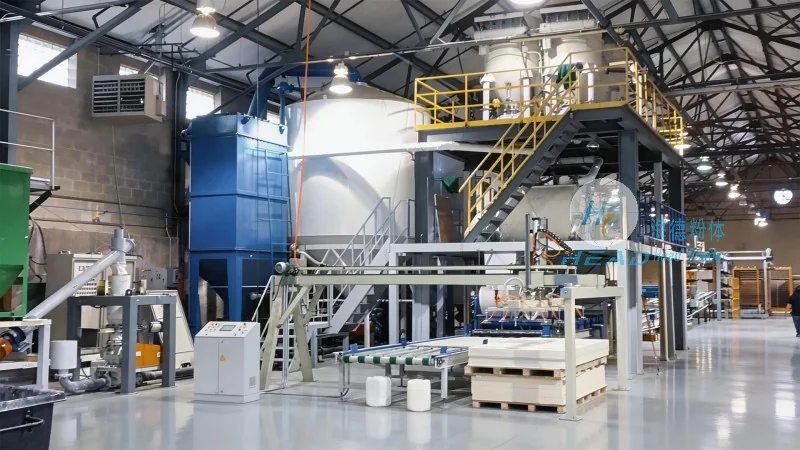
Conveyor systems are among the most common and effective methods for transporting metallurgical coke. These systems utilize a continuous belt or chain to move coke from one location to another, offering a high-capacity and low-maintenance solution. There are several types of conveyor systems tailored for coke transport, each with its own specific advantages. For instance, belt conveyors are widely used due to their ability to handle large volumes of coke over long distances with minimal energy consumption. The robust design of these conveyors, often equipped with heavy-duty rollers and reinforced belts, ensures durability under the demanding conditions of coke handling. Additionally, conveyor systems can be integrated with other equipment such as feeders and elevators to create a seamless coke transport line, enhancing overall operational efficiency.
Pneumatic Conveying Systems
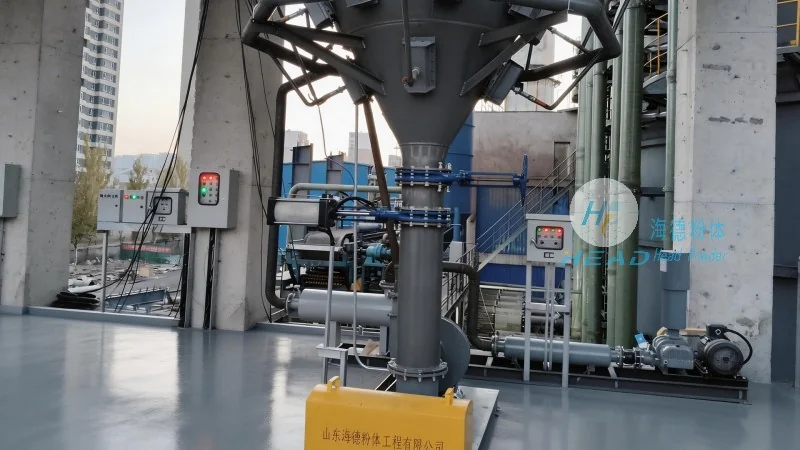
Pneumatic conveying systems represent another significant method for transporting metallurgical coke, particularly in applications where dust control and flexibility are paramount. These systems utilize air pressure to move coke particles through a pipeline, eliminating the need for mechanical components in the transport path. There are two main types of pneumatic conveying: dilute-phase and dense-phase. Dilute-phase systems use low air velocity to transport coke in a relatively dilute state, suitable for short to medium distances. Dense-phase systems, on the other hand, operate at higher air velocities, allowing for the transport of coke in a more concentrated form, which is ideal for longer distances and more complex routes. Pneumatic conveying offers several benefits, including reduced maintenance compared to mechanical systems, better control over dust emissions, and the ability to transport coke through vertical or horizontal sections without the need for additional equipment. However, it is important to note that pneumatic systems may require more energy and careful air management to ensure efficient operation.
Truck and Rail Transport
For longer-distance transportation of metallurgical coke, truck and rail transport are often employed. Trucks provide flexibility and can reach locations that are not accessible by rail, making them suitable for short to medium-range deliveries. The use of specialized trucks, equipped with bulk containers or hopper bodies, ensures that coke is transported safely and efficiently. Rail transport, on the other hand, is ideal for bulk shipments over long distances, offering high capacity and lower transportation costs per ton. Railcars designed specifically for coke transport are equipped with features such as reinforced floors and secure loading mechanisms to prevent spillage and ensure the stability of the cargo during transit. Both truck and rail transport methods are crucial for connecting coke production facilities with steel mills and other end-users, ensuring a steady supply of raw material.
Hydraulic Conveying Systems
Hydraulic conveying systems represent a less common but specialized method for transporting metallurgical coke, particularly in applications where the coke is in a fine or powdered form. These systems utilize water or other fluids to transport coke particles through a pipeline, similar to pneumatic systems but with the added benefit of controlling the flow and preventing dust generation. Hydraulic conveying is often used in processes where the coke is being prepared for further processing, such as grinding or blending. The system typically involves a pump that forces the coke-water mixture through the pipeline, with the coke particles suspended in the fluid. After reaching the destination, the coke is separated from the water through a settling tank or filtration system. While hydraulic conveying offers advantages in terms of dust control and particle size control, it requires careful management of water usage and disposal, making it more suitable for specific industrial applications rather than general coke transport.
Selection Criteria for Metallurgical Coke Transport Methods
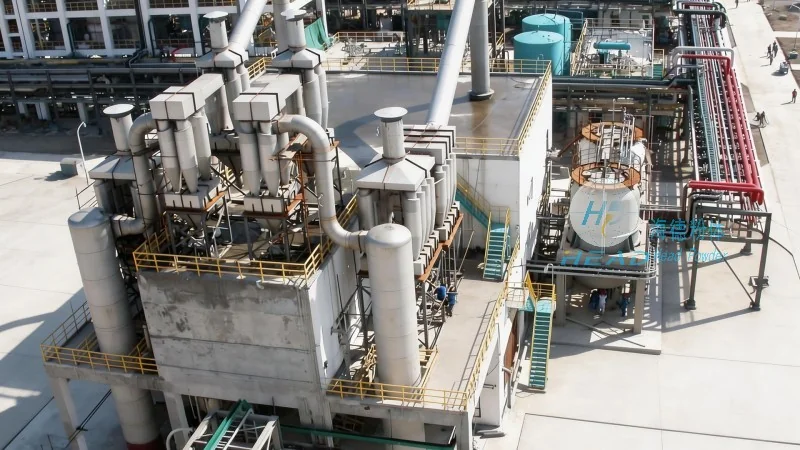
The selection of an appropriate transport method for metallurgical coke involves a comprehensive evaluation of several factors. The first consideration is the distance to be covered, as shorter distances may favor conveyor systems or truck transport, while longer distances may necessitate rail or even specialized shipping methods. The volume of coke to be transported is another critical factor, as high-capacity systems such as belt conveyors or rail transport are more suitable for large-scale operations. Environmental considerations, including dust control and noise reduction, also play a significant role, with pneumatic and hydraulic systems offering advantages in this regard. Additionally, the cost of installation, maintenance, and operation must be evaluated, as different systems have varying capital and operational expenses. For instance, conveyor systems may have higher initial costs but lower long-term maintenance costs, while pneumatic systems may have lower initial costs but higher energy expenses. Ultimately, the choice of transport method should align with the specific operational requirements and constraints of the metallurgical facility, ensuring optimal performance and efficiency.
Shandong HeadPowder Engineering Co., Ltd., a leading provider of engineering solutions for the metallurgical industry, specializes in designing and implementing efficient coke transport systems tailored to the unique needs of each client. With a focus on innovation and reliability, the company offers comprehensive services ranging from system design and installation to maintenance and support. Located in Shandong, China, HeadPowder Engineering leverages its expertise and local resources to deliver high-quality solutions that enhance the productivity and sustainability of coke handling operations. By understanding the diverse requirements of the metallurgical sector, the company ensures that its clients receive tailored solutions that meet their specific operational and environmental goals.




