Activated carbon is widely used in various industrial processes for its excellent adsorption properties, making the efficient and reliable transport of activated carbon a critical aspect of many operations. The methods used for activated carbon transport can vary depending on the specific application, the scale of the operation, and the physical characteristics of the carbon material. Understanding the different options available helps in selecting the most suitable method for a particular situation, ensuring optimal performance and cost-effectiveness.
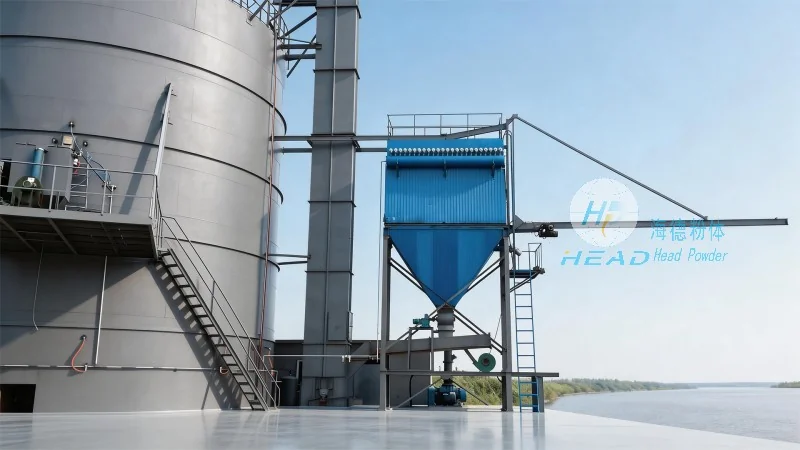
Overview of Activated Carbon Transport Methods
Activated carbon transport involves moving carbon from its production or storage location to the point of use, such as in water treatment plants, air purification systems, or industrial processes. The primary goal is to maintain the integrity of the carbon particles and prevent contamination or degradation during transit. Several methods are commonly employed, each with its own advantages and considerations.
1. Pneumatic Conveying Systems
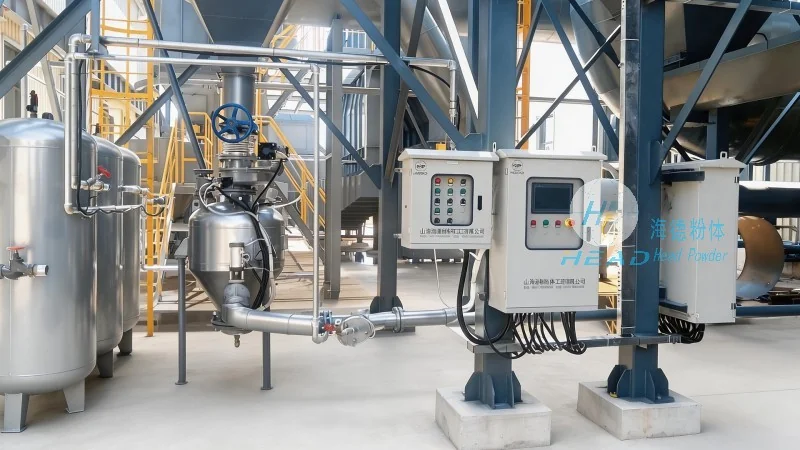
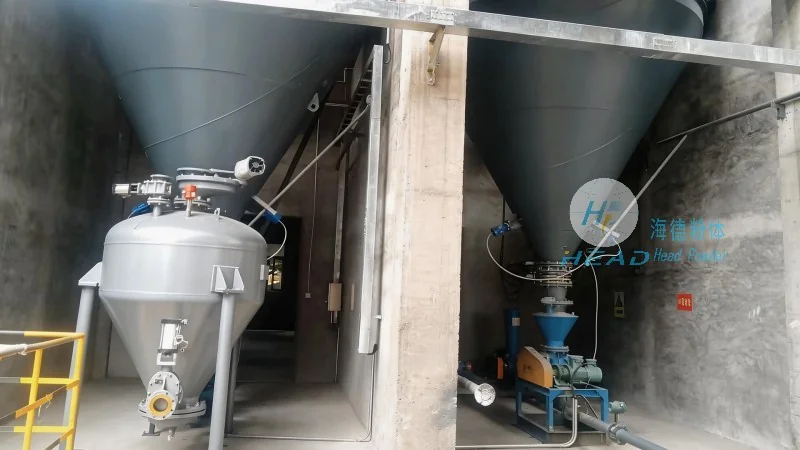
Pneumatic conveying is a popular method for transporting activated carbon, especially in applications where the carbon is in a dry, free-flowing state. This system uses air or other gases to move the carbon particles through a pipeline. There are two main types of pneumatic conveying: dilute-phase and dense-phase. Dilute-phase systems are suitable for short distances and low to medium capacities, while dense-phase systems are used for longer distances and higher capacities, as they can handle more material with less air flow. Pneumatic conveying offers advantages such as low maintenance, the ability to transport carbon over long distances, and the option to integrate with other processing equipment. However, it requires careful control of air pressure and flow rates to prevent particle degradation or system blockages.
2. Belt Conveyors
Belt conveyors are a traditional and widely used method for transporting bulk materials, including activated carbon. These systems consist of a continuous belt that moves over rollers or pulleys, carrying the carbon from one location to another. Belt conveyors are particularly effective for horizontal or slightly inclined transport and can handle large volumes of material. They are often used in industrial settings where the carbon is stored in bulk and needs to be moved to processing equipment or storage areas. The main advantages of belt conveyors include high capacity, low energy consumption, and the ability to transport carbon over long distances with minimal maintenance. However, they may not be suitable for very fine or powdery carbon, as the belt can cause dust generation and particle separation. Proper sealing and dust control measures are essential to maintain the quality of the carbon during transport.
3. Screw Conveyors
Screw conveyors, also known as auger conveyors, are another common method for transporting activated carbon, especially in applications where the carbon is in a granular or powder form. This system uses a rotating screw (auger) inside a tube to move the carbon forward. Screw conveyors are suitable for both horizontal and vertical transport and can handle a wide range of carbon types, including fine powders and larger granules. They are often used in processing plants where the carbon needs to be moved between different stages of treatment or storage. The advantages of screw conveyors include their compact design, low cost, and the ability to operate in a closed system, which helps in controlling dust and maintaining the purity of the carbon. However, they may experience issues with clogging, especially with very fine or sticky carbon particles, and require regular maintenance to ensure smooth operation.
4. Bucket Elevators
Bucket elevators are used for vertical transport of activated carbon, particularly in applications where the carbon needs to be lifted to a higher level, such as in storage silos or processing equipment. This system consists of a series of buckets attached to a chain or belt that moves vertically, lifting the carbon from the bottom to the top. Bucket elevators are efficient for vertical transport and can handle large volumes of material. They are commonly used in industrial settings where the carbon is stored in bulk and needs to be moved to different levels of the facility. The main advantages of bucket elevators include high capacity, low energy consumption, and the ability to transport carbon over vertical distances with minimal space requirements. However, they require careful alignment and maintenance to prevent bucket damage or system failure, and the carbon particles must be of appropriate size to fit properly in the buckets.
5. Hydraulic Conveying
Hydraulic conveying, also known as slurry transport, involves mixing activated carbon with a liquid (such as water or a carrier fluid) to form a slurry, which is then pumped through pipelines to the point of use. This method is particularly useful for transporting carbon in a wet or slurry form, such as in water treatment applications where the carbon is used for filtration or adsorption. Hydraulic conveying systems are designed to handle high volumes of material and can transport carbon over long distances. The advantages of hydraulic conveying include the ability to transport carbon in a liquid medium, which can help in maintaining particle integrity and preventing dust generation. However, it requires additional equipment for slurry preparation and separation, and the system must be carefully designed to prevent clogging and maintain the quality of the slurry.
Factors to Consider When Choosing a Transport Method
When selecting a method for activated carbon transport, several factors must be considered to ensure the best results. The first factor is the physical characteristics of the carbon, including its particle size, shape, and moisture content. Coarser or larger particles may be better suited for belt or screw conveyors, while fine powders may require pneumatic or hydraulic systems. The second factor is the distance and direction of transport, as horizontal, vertical, or long-distance transport will influence the choice of system. The third factor is the volume and capacity requirements, as different systems are designed to handle varying amounts of material. The fourth factor is the environmental and safety considerations, such as dust control and the need to prevent contamination. Finally, the cost and maintenance requirements of each system must be evaluated to ensure it fits within the operational budget and maintenance schedule.
Conclusion
Activated carbon transport is a critical process in many industrial applications, and the choice of method depends on various factors including the carbon's physical properties, the distance and direction of transport, and the operational requirements. Pneumatic conveying, belt conveyors, screw conveyors, bucket elevators, and hydraulic conveying are all viable options, each with its own advantages and limitations. By carefully evaluating these factors and selecting the most appropriate method, industries can ensure efficient and reliable transport of activated carbon, maintaining its quality and effectiveness throughout the process. Shandong HeadPowder Engineering Co., Ltd., a leading provider of activated carbon processing solutions, offers expertise and equipment tailored to meet the specific transport needs of various applications, helping clients optimize their operations and achieve better results.




