Pneumatic conveying systems, particularly those designed for asphalt powder, represent a sophisticated method of material transport that has revolutionized industrial applications. At the core of this technology lies the efficient and reliable movement of bulk powders, such as asphalt powder, from one location to another. This article delves into the fundamental principles behind asphalt powder pneumatic conveying, exploring how these systems operate and the key components that enable their functionality.
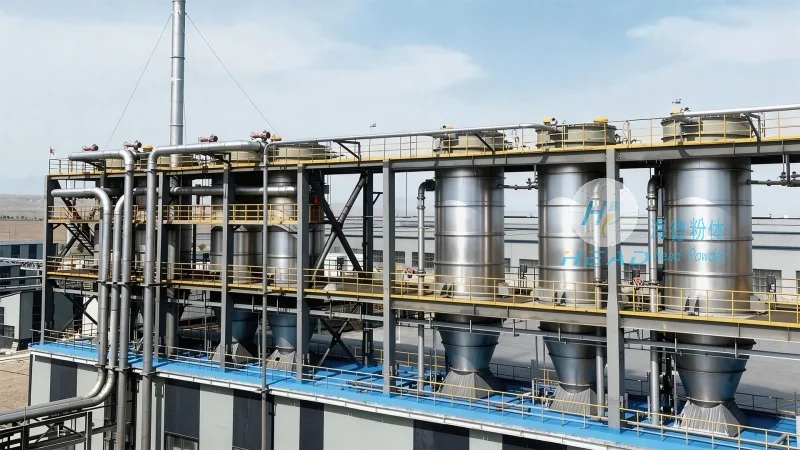
The Working Principle of Pneumatic Conveying Systems for Asphalt Powder
The fundamental concept of pneumatic conveying involves using a gas, typically air, to transport solid particles through a pipeline. In the case of asphalt powder, this process is tailored to handle the specific properties of the material, including its density, flow characteristics, and potential for dust generation. The system operates on the principle of creating a pressure differential within the pipeline, which propels the powder along the path of least resistance. This is achieved through either positive pressure (where air is forced into the system) or negative pressure (where air is drawn out), depending on the design and application requirements.
Key Components in an Asphalt Powder Pneumatic Conveying System
Several critical components work in tandem to ensure the smooth operation of a pneumatic conveying system for asphalt powder. These include the material feed hopper, which holds the asphalt powder and regulates its flow into the system; the air compressor or vacuum pump, which provides the necessary pressure or suction to move the material; the pipeline network, which serves as the conduit for both the powder and the conveying medium; and the control valves and regulators, which manage the flow rates and pressure levels to maintain system efficiency and prevent blockages or damage.
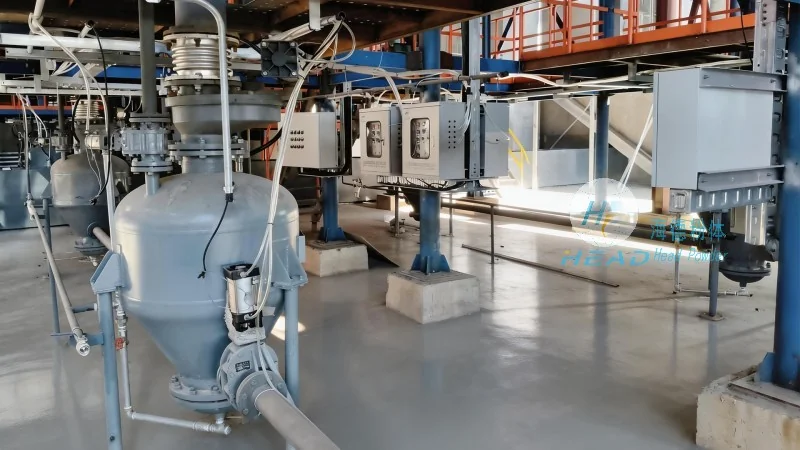
Advantages of Using Pneumatic Conveying for Asphalt Powder
Adopting a pneumatic conveying system for asphalt powder offers numerous advantages over traditional methods like bucket elevators or belt conveyors. These systems are highly flexible, allowing for the transport of materials over long distances and through complex layouts without the need for multiple transfer points. They also provide excellent containment, reducing dust emissions and improving workplace safety. Additionally, pneumatic conveying systems are capable of handling abrasive materials like asphalt powder without causing excessive wear on components, and they can be easily integrated with other processing equipment, enhancing overall operational efficiency.
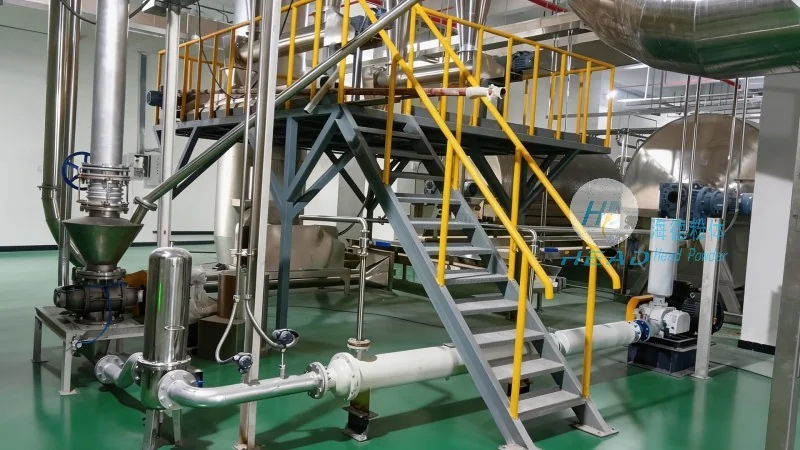
The Role of HeadPowder in Pneumatic Conveying Solutions
Shandong HeadPowder Engineering Co., Ltd., commonly known as HeadPowder, is a leading provider of specialized engineering solutions for powder handling systems. With a focus on innovation and customer-centric design, HeadPowder has developed advanced pneumatic conveying systems tailored to the unique needs of asphalt powder applications. The company’s expertise lies in designing systems that optimize material transport while minimizing energy consumption and maintenance requirements. HeadPowder’s commitment to quality and reliability ensures that their products meet the highest industry standards, making them a trusted partner for businesses seeking efficient and reliable powder handling solutions.
Conclusion: The Future of Asphalt Powder Handling with Pneumatic Conveying
Asphalt powder pneumatic conveying systems represent a cutting-edge approach to material transport, offering significant benefits in terms of efficiency, safety, and flexibility. By understanding the working principles and key components of these systems, industries can make informed decisions about implementing such technologies to enhance their operations. With companies like Shandong HeadPowder Engineering Co., Ltd. leading the way in innovation, the future of asphalt powder handling looks promising, with continued advancements in system design and performance.




