Calcium nitrite is a chemical compound widely used in various industrial applications, including water treatment, food preservation, and as a corrosion inhibitor. The efficient and safe transportation of calcium nitrite is crucial for ensuring its proper use in these processes. This article explores the different methods available for calcium nitrite transportation, highlighting the key considerations and best practices for handling this substance.
Overview of Calcium Nitrite Transportation
Before delving into specific transportation methods, it is essential to understand the properties of calcium nitrite that influence its handling. Calcium nitrite is a white to off-white crystalline powder with a slightly hygroscopic nature, meaning it can absorb moisture from the air. It is also soluble in water and has a relatively high density. These characteristics affect how it is transported and stored, requiring careful attention to prevent degradation or safety hazards.
Common Transportation Methods for Calcium Nitrite
Several methods are commonly employed for the transportation of calcium nitrite, each with its own advantages and limitations. The choice of method depends on factors such as the quantity to be transported, the distance, the destination, and the specific requirements of the end-user. The primary methods include bulk transportation via pipelines, trucking, and rail, as well as smaller-scale packaging for local distribution.
Bulk Transportation via Pipelines
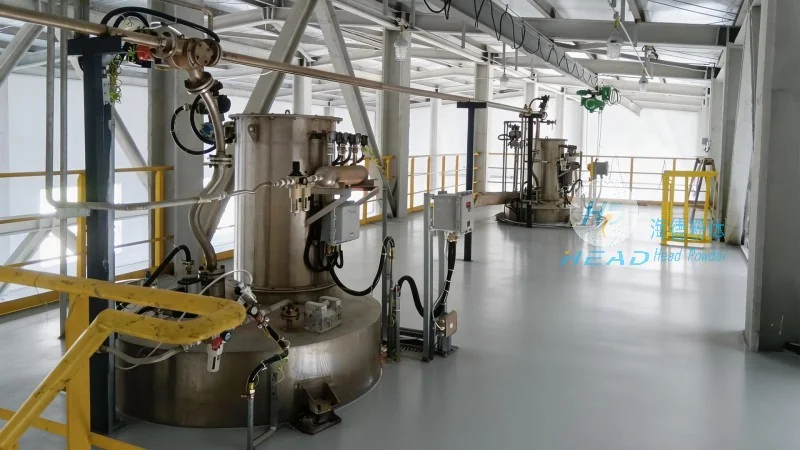
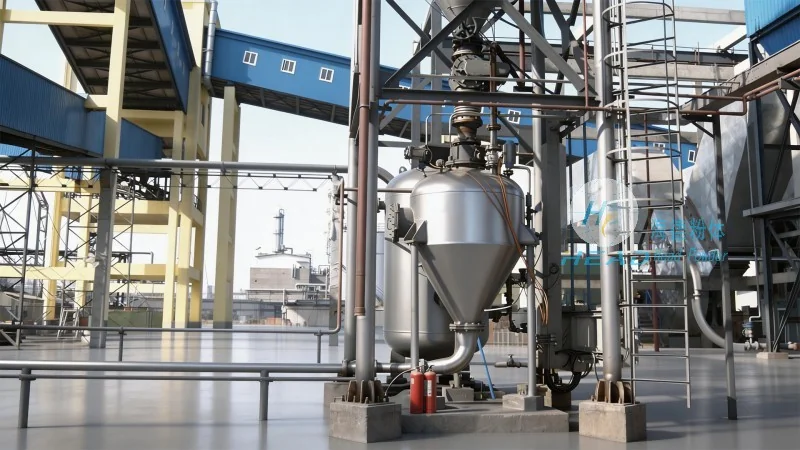
Bulk transportation of calcium nitrite via pipelines is a common method for large-scale industrial applications. This method involves pumping the material through a network of pipes, typically under pressure, to deliver it directly to the end-user or a processing facility. Pipelines offer several benefits, including continuous flow, reduced labor costs, and minimal exposure to the environment. However, the installation and maintenance of pipelines require significant capital investment and specialized expertise. The system must be designed to prevent corrosion and leakage, as calcium nitrite can be corrosive to certain materials like steel and copper. Additionally, the pipeline must be insulated to prevent moisture absorption and temperature fluctuations that could affect the material's quality.
Trucking and Road Transportation
Trucking is another widely used method for transporting calcium nitrite, especially for intermediate quantities or when direct delivery to a specific location is required. This method allows for flexibility in routes and can reach areas not serviced by pipelines or rail. Trucks are typically equipped with specialized containers, such as tank trucks or bulk transport trailers, designed to handle the chemical's properties. The containers must be made of materials resistant to corrosion, such as stainless steel or lined with appropriate coatings. Proper ventilation and temperature control are also essential to maintain the quality of the calcium nitrite during transit. Drivers must be trained in handling hazardous materials and follow strict safety protocols to prevent accidents or spills.
Rail Transportation
Rail transportation is often used for long-distance, bulk shipments of calcium nitrite. This method is cost-effective for large volumes and can be more energy-efficient than trucking over long distances. Railcars are specially designed to transport bulk chemicals, with features like airtight compartments and anti-leakage mechanisms. The rail system must comply with safety regulations to ensure the secure transport of hazardous materials. The loading and unloading processes are typically automated or semi-automated to minimize human exposure and reduce the risk of accidents. Rail transportation is particularly suitable for companies that have a consistent demand for calcium nitrite and can benefit from the economies of scale.
Packaging and Local Distribution
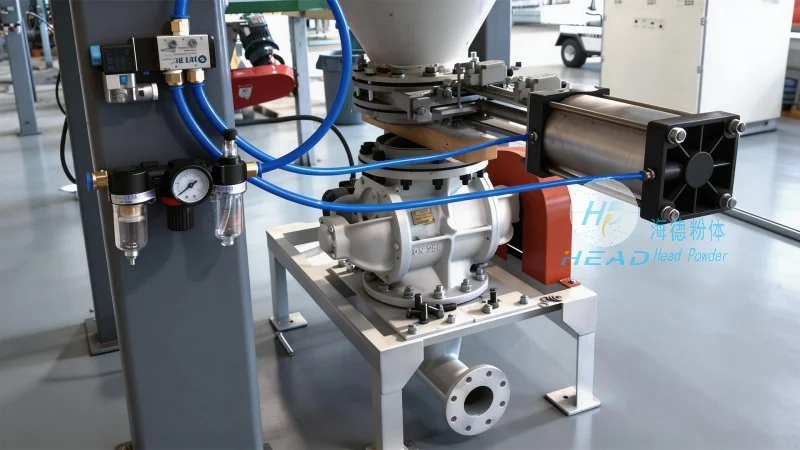
For smaller quantities or local distribution, calcium nitrite is often packaged in containers such as drums, bags, or containers. These packaging options are suitable for retail or smaller industrial users who require smaller batches. The containers must meet specific standards for chemical storage, such as being made of corrosion-resistant materials and having proper sealing to prevent contamination or leakage. The packaging also needs to be labeled with hazard information, including the chemical's name, hazards, and handling instructions. This ensures that end-users are aware of the risks associated with calcium nitrite and can handle it safely. Local distribution may involve delivery by truck or other local transport services, depending on the distance and quantity.
Key Considerations for Safe Transportation
Regardless of the transportation method chosen, several key considerations must be addressed to ensure the safe and efficient handling of calcium nitrite. First, proper storage is critical before and after transportation. Calcium nitrite should be stored in a cool, dry, and well-ventilated area, away from sources of heat or ignition. It should be kept in sealed containers to prevent moisture absorption and contamination. Second, the transportation equipment must be regularly inspected and maintained to prevent leaks or malfunctions. Third, all personnel involved in the transportation process must receive proper training on the hazards of calcium nitrite and the necessary safety procedures. This includes understanding how to respond to spills or accidents and having access to appropriate personal protective equipment (PPE). Fourth, compliance with local and international regulations is essential. This includes obtaining necessary permits, following transportation guidelines, and ensuring that all documentation is up to date. By adhering to these considerations, companies can minimize risks and ensure the safe delivery of calcium nitrite to its intended users.
Conclusion
In conclusion, the transportation of calcium nitrite requires careful planning and adherence to safety protocols to ensure its efficient and safe delivery. The choice of transportation method depends on various factors, including the quantity, distance, and end-user requirements. Bulk methods like pipelines, trucking, and rail are suitable for large-scale operations, while packaging is ideal for smaller, local distribution. Regardless of the method, proper storage, equipment maintenance, personnel training, and regulatory compliance are essential for a successful transportation process. By following these guidelines, companies can ensure that calcium nitrite is transported safely and effectively, meeting the needs of their customers and maintaining industry standards.




