When it comes to the efficient handling and transportation of synthetic rubber, selecting the right conveying method is crucial for maintaining product quality and operational efficiency. Synthetic rubber, with its diverse applications in industries such as automotive, construction, and manufacturing, requires specialized equipment and techniques to ensure safe and effective movement. This article explores the various methods available for synthetic rubber conveying, highlighting the importance of tailored solutions that cater to specific material properties and operational needs.
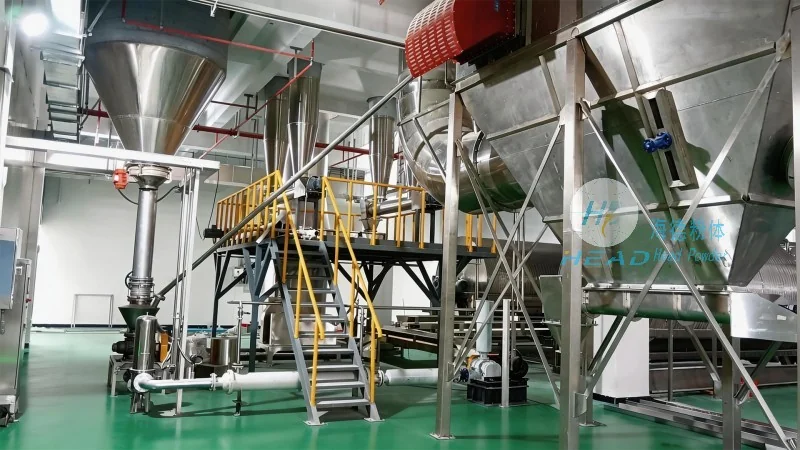
Understanding Synthetic Rubber Properties and Conveying Challenges
Before delving into the specific conveying methods, it is essential to understand the characteristics of synthetic rubber that influence transportation. Synthetic rubber, including types like SBR, NBR, and EPDM, often exhibits properties such as elasticity, flexibility, and sometimes sticky or abrasive tendencies. These properties can affect how the material behaves during handling, potentially leading to issues like blockage, degradation, or equipment wear if not managed properly. For instance, some synthetic rubbers may be prone to adhering to surfaces, which can impede smooth flow in traditional conveying systems. Additionally, the varying densities and viscosities of different synthetic rubber formulations require equipment designed to handle these variations without compromising performance.
Common Conveying Methods for Synthetic Rubber
Several methods are commonly employed for synthetic rubber conveying, each with its own advantages and suitability for different applications. The choice of method depends on factors such as the type of synthetic rubber, the volume to be transported, the distance, and the required level of product integrity. Key methods include mechanical conveying systems, pneumatic conveying, and specialized bulk handling equipment.
Mechanical Conveying Systems
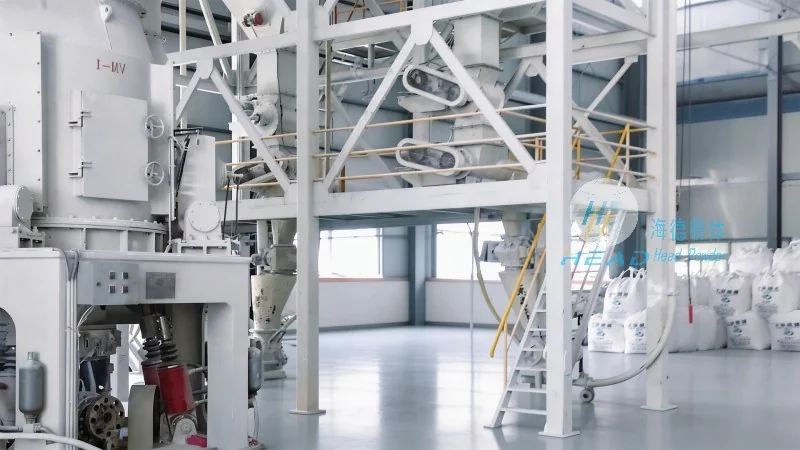
Mechanical conveying systems are widely used for synthetic rubber due to their reliability and ability to handle a wide range of material types. These systems typically involve components like screw conveyors, belt conveyors, and bucket elevators, which use mechanical force to move the material. Screw conveyors, for example, are particularly effective for conveying synthetic rubber in bulk, as they can handle materials with varying consistencies and prevent material buildup. The rotating screw (or auger) pushes the material forward through a trough, ensuring consistent flow and minimizing the risk of blockages. Belt conveyors, on the other hand, are ideal for transporting synthetic rubber in sheet or pellet form, as they can handle higher volumes and longer distances with minimal maintenance. The smooth surface of the conveyor belt reduces friction, preventing the material from sticking and ensuring a clean transfer. For vertical or inclined transport, bucket elevators are often employed, as they can efficiently lift synthetic rubber to elevated levels while maintaining product integrity.
Pneumatic Conveying Systems
Pneumatic conveying systems utilize air or gas to transport synthetic rubber particles or pellets through a pipeline. This method is particularly suitable for materials that are light in weight and free-flowing, as the air pressure can effectively move the material without the need for mechanical components. There are two main types of pneumatic conveying: pressure and vacuum systems. Pressure systems use compressed air to push the material through the pipeline, while vacuum systems use a vacuum to pull the material. For synthetic rubber, pressure systems are often preferred as they can handle higher material loads and longer distances. The key advantage of pneumatic conveying is its ability to transport materials in a closed system, which helps maintain product cleanliness and prevents contamination. This is especially important for synthetic rubber used in applications where purity is critical, such as in the production of automotive tires or medical devices.
Specialized Bulk Handling Equipment
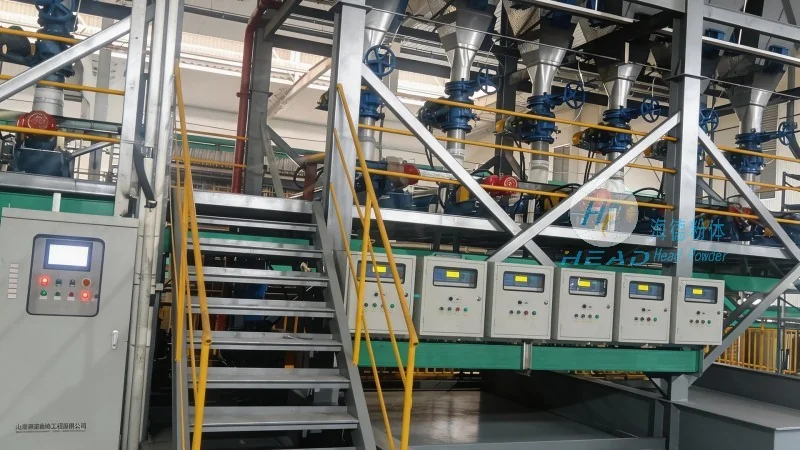
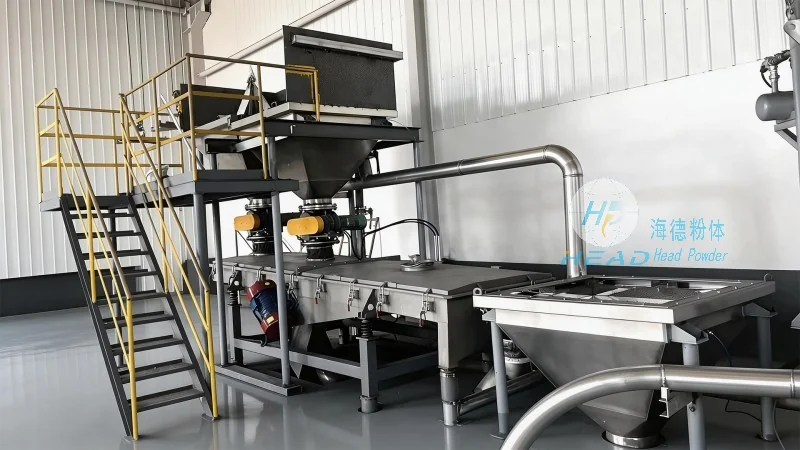
In addition to traditional mechanical and pneumatic systems, specialized bulk handling equipment is available for synthetic rubber conveying. These systems are designed to address specific challenges, such as handling sticky or abrasive synthetic rubber. For example, vibratory conveyors use vibration to move synthetic rubber, which helps break up clumps and ensure smooth flow. This is particularly useful for materials that tend to agglomerate, such as certain types of SBR or NBR. Vibratory conveyors can be customized with different frequencies and amplitudes to optimize material movement based on the specific properties of the synthetic rubber being handled. Another specialized option is the use of rotary valves and feeders, which control the flow of synthetic rubber into processing equipment. These components are critical for maintaining consistent material feed rates and preventing overloading or underloading of downstream machinery.
Considerations for Choosing the Right Conveying Method
When selecting a conveying method for synthetic rubber, several factors must be considered to ensure optimal performance and cost-effectiveness. First, the material properties of the synthetic rubber, including its density, viscosity, and tendency to adhere or agglomerate, should be evaluated. This helps determine the most suitable equipment type, such as a screw conveyor for cohesive materials or a pneumatic system for free-flowing pellets. Second, the operational requirements, such as the required conveying capacity, distance, and speed, play a significant role in method selection. For example, if a large volume of synthetic rubber needs to be transported over a long distance, a combination of mechanical and pneumatic systems may be necessary to achieve the desired throughput. Third, the cost of equipment, maintenance, and energy consumption must be considered. While some methods may offer higher efficiency, they may also require higher upfront investment and ongoing maintenance costs. It is essential to balance these factors to choose a method that provides the best return on investment and meets the specific needs of the operation.
Conclusion
In conclusion, the effective conveying of synthetic rubber requires careful consideration of material properties, operational needs, and available equipment options. Mechanical, pneumatic, and specialized bulk handling systems each offer unique advantages and are suitable for different scenarios. By understanding the characteristics of synthetic rubber and the capabilities of each conveying method, manufacturers can select the most appropriate solution to ensure efficient, safe, and cost-effective transportation. For businesses in the synthetic rubber industry, partnering with experienced suppliers like Shandong HeadPowder Engineering Co., Ltd., based in China, can provide access to tailored conveying solutions that address specific challenges and enhance overall operational performance.




