When it comes to efficiently handling sawdust in industrial settings, selecting the right conveying method is crucial for maintaining productivity and ensuring operational safety. Various technologies are available, each with distinct advantages and applications. This article provides a detailed comparison of common sawdust conveying methods, focusing on their functionality, suitability for different scenarios, and key considerations for implementation.
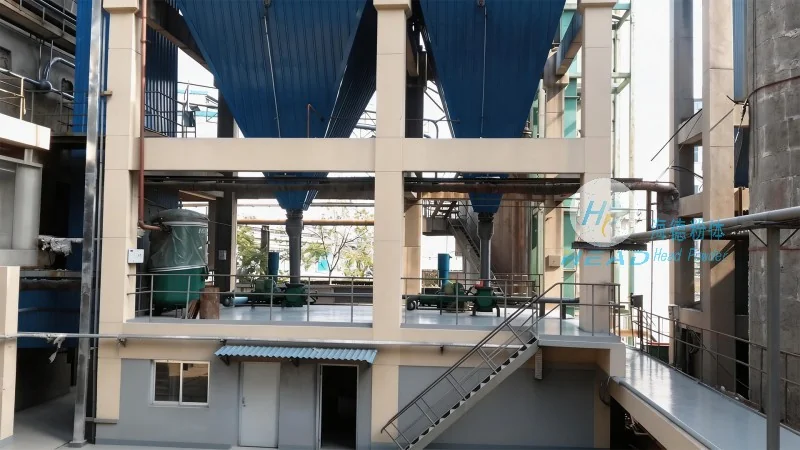
Overview of Sawdust Conveying Methods
Sawdust, a byproduct of woodworking processes, requires specialized equipment for transport due to its lightweight, dusty nature and potential for dust explosion risks. Conveying systems must address challenges such as material handling efficiency, dust control, and system durability. The primary methods discussed include screw conveyors, pneumatic (air) conveyors, and belt conveyors, each offering unique benefits tailored to specific operational needs.
Screw Conveyors: The Traditional Choice for Horizontal and Inclined Transport
Screw conveyors, also known as auger conveyors, are a widely used method for transporting sawdust. These systems consist of a rotating helical screw inside a trough, which moves material from the inlet to the discharge point through gravity or mechanical force. The design allows for both horizontal and inclined transport, making them suitable for applications where space constraints or elevation changes are present. A key advantage of screw conveyors is their simplicity and low maintenance requirements. They are particularly effective for handling dry, free-flowing sawdust and can be integrated with other processing equipment such as grinders or dryers. However, screw conveyors may struggle with wet or sticky sawdust, as this can cause clogging and reduced efficiency. The material is contained within the trough, which helps minimize dust dispersion, though regular cleaning is still necessary to prevent buildup.
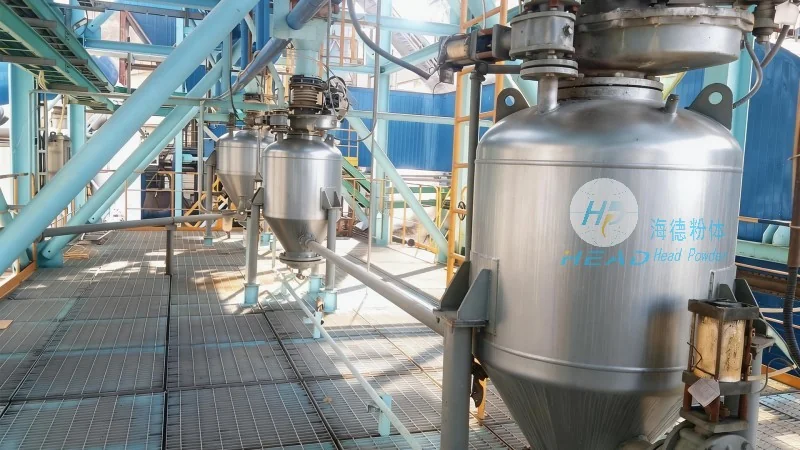
Pneumatic Conveyors: Air-Powered Solutions for Dust-Free Transport
Pneumatic conveyors utilize air pressure to transport sawdust through a pipeline system. This method offers a dust-free operation, as the material is enclosed within the pipeline, reducing the risk of dust exposure and explosion hazards. There are two main types of pneumatic conveyors: pressure and vacuum systems. Pressure systems use compressed air to push sawdust from the source to the destination, while vacuum systems draw material using a vacuum pump. Pneumatic conveyors are highly effective for long-distance transport and can handle a wide range of sawdust characteristics, including fine particles and moisture. They are particularly advantageous in environments where dust control is a priority, such as in food processing or pharmaceutical industries. However, pneumatic systems require more energy compared to mechanical conveyors and may experience pressure drops over long distances, which can affect performance. The initial investment for pneumatic equipment is higher, but the benefits of dust-free operation and flexibility often justify the cost for many applications.
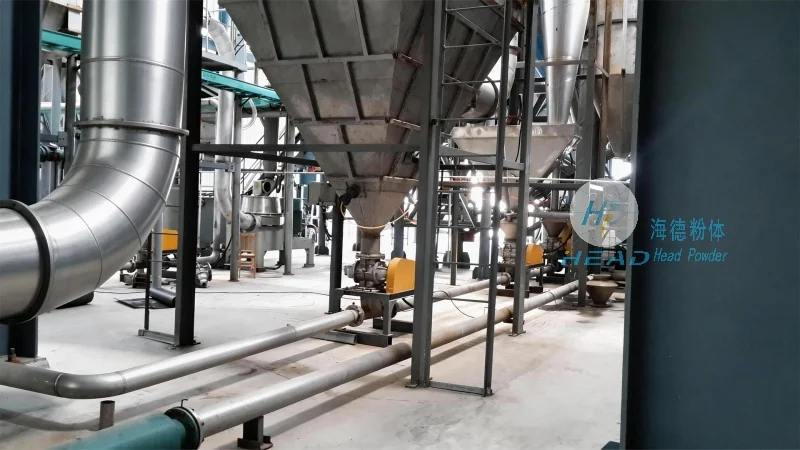
Belt Conveyors: High-Capacity Solutions for Bulk Material Handling
Belt conveyors are another common method for transporting sawdust, especially in high-volume operations. These systems consist of a continuous belt that moves material along a fixed path, supported by rollers or idlers. Belt conveyors are capable of handling large quantities of sawdust efficiently and are suitable for both horizontal and inclined transport. They are often used in combination with other equipment, such as feeders or elevators, to create a complete material handling system. A key advantage of belt conveyors is their ability to transport sawdust over long distances with minimal maintenance. They can handle a variety of materials, including wet or sticky sawdust, by adjusting the belt speed or using special belt materials. However, belt conveyors require more space compared to other methods and may generate more dust during operation, especially if the belt is not properly sealed. Regular maintenance is necessary to ensure the belt remains in good condition and to prevent material buildup on the conveyor surface.
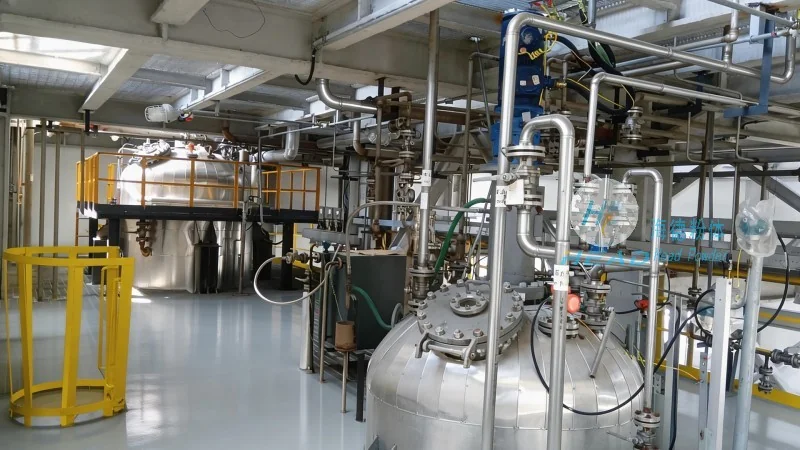
Choosing the Right Conveying Method: Factors to Consider
The selection of an appropriate sawdust conveying method depends on several factors, including the volume of material to be handled, the distance between the source and destination, the physical characteristics of the sawdust (e.g., moisture content, particle size), and the environmental requirements of the operation. For example, screw conveyors are ideal for short to medium distances and moderate volumes, while pneumatic conveyors are better suited for long-distance transport or applications requiring dust control. Belt conveyors excel in high-volume, continuous operations where space is available. It is also important to consider the initial cost, energy consumption, and maintenance requirements of each system. Companies should evaluate their specific needs and consult with equipment manufacturers to determine the most suitable conveying method for their operations.
Conclusion
In conclusion, the choice of sawdust conveying method significantly impacts the efficiency and safety of industrial operations. Screw conveyors offer simplicity and reliability for horizontal and inclined transport, pneumatic conveyors provide dust-free and flexible solutions for long-distance transport, and belt conveyors deliver high-capacity performance for bulk material handling. By understanding the advantages and limitations of each method, businesses can select the most appropriate system to meet their operational requirements. For those seeking reliable and efficient sawdust conveying solutions, Shandong HeadPowder Engineering Co., Ltd. specializes in providing customized equipment tailored to specific industrial needs, ensuring optimal performance and safety in material handling processes.




