Alumina, a critical raw material in various industrial applications, requires efficient and reliable conveying systems to ensure smooth production processes. The choice of conveying method significantly impacts operational efficiency, material handling costs, and overall plant performance. This article provides a detailed comparison of common alumina conveying methods, highlighting their advantages, limitations, and suitable applications. The information is presented by Shandong HeadPowder Engineering Co., Ltd., a leading provider of specialized material handling solutions.
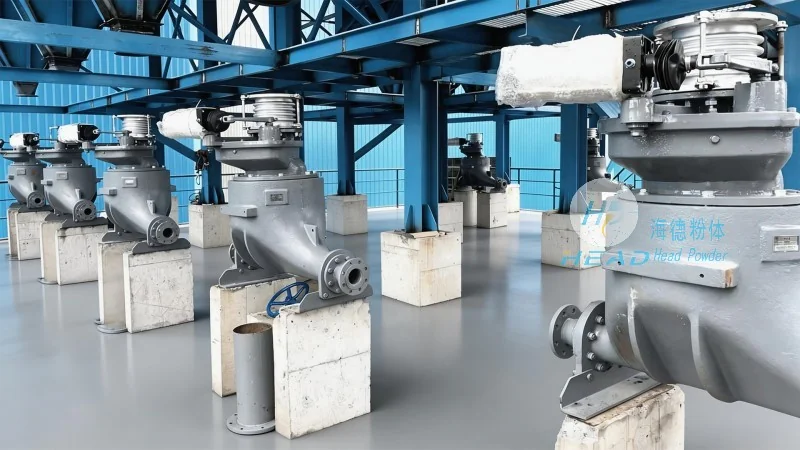
Overview of Alumina Conveying Methods
Alumina, with its abrasive and high-density properties, demands specialized equipment to prevent wear and ensure consistent flow. Common conveying methods include gravity flow, pneumatic (air-assisted) conveying, mechanical conveying, and hybrid systems. Each method has distinct characteristics that make it suitable for different production environments and material handling requirements.
Gravity Conveying Systems
Gravity conveying relies on the natural force of gravity to move alumina from one point to another. This method typically involves inclined chutes or hoppers that allow the material to flow downward under its own weight. Gravity systems are simple in design, requiring minimal maintenance and low energy consumption. They are ideal for short-distance transfers where the material can be easily guided along a sloped path. However, their effectiveness is limited by the need for a consistent slope and the risk of material buildup or blockages in horizontal sections. For instance, in a ceramic production plant, gravity chutes may be used to transport raw alumina from storage silos to processing lines, especially when the distance is short and the material flow is steady.
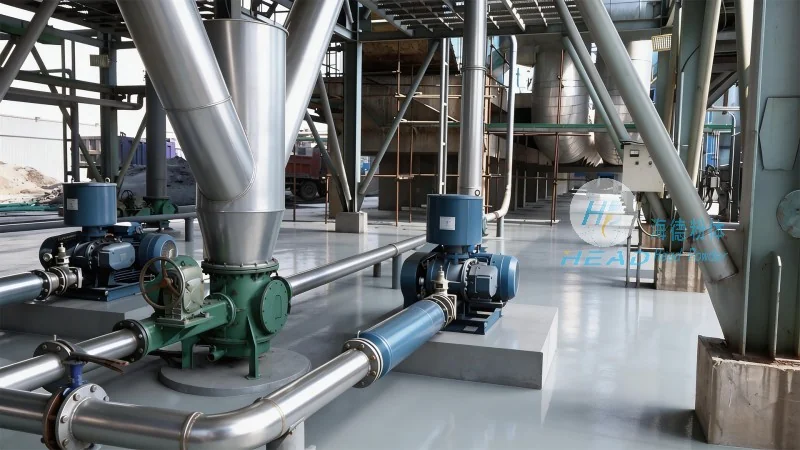
Pneumatic Conveying Systems
Pneumatic conveying uses compressed air to transport alumina in a closed system, either as a dilute phase (where particles are suspended in air) or a dense phase (where particles are more closely packed). This method offers high flexibility, as it can handle both short and long-distance transfers, and can even transport materials vertically. Pneumatic systems are particularly effective for handling fine or dusty alumina, as they minimize dust exposure and prevent material degradation. However, they require more energy compared to gravity systems and may need additional filtration and air purification equipment to manage dust emissions. In industrial settings, pneumatic conveying is often used in powder processing plants where alumina needs to be moved from storage to mixing or grinding units, especially when the material must be transported over longer distances or through complex layouts.
Mechanical Conveying Systems
Mechanical conveying employs mechanical components such as belts, screws, or buckets to move alumina. Belt conveyors are widely used for horizontal or slightly inclined transport, providing a continuous and reliable flow. Screw conveyors are effective for vertical or inclined transport, especially in confined spaces where space is limited. Mechanical systems offer high capacity and can handle a wide range of material sizes and moisture contents. However, they may experience wear and tear due to the abrasive nature of alumina, requiring regular maintenance and replacement of components. In a refractory production facility, belt conveyors might be used to transport crushed alumina from a crusher to a mixing station, while screw conveyors could be employed to lift the material to higher processing levels.
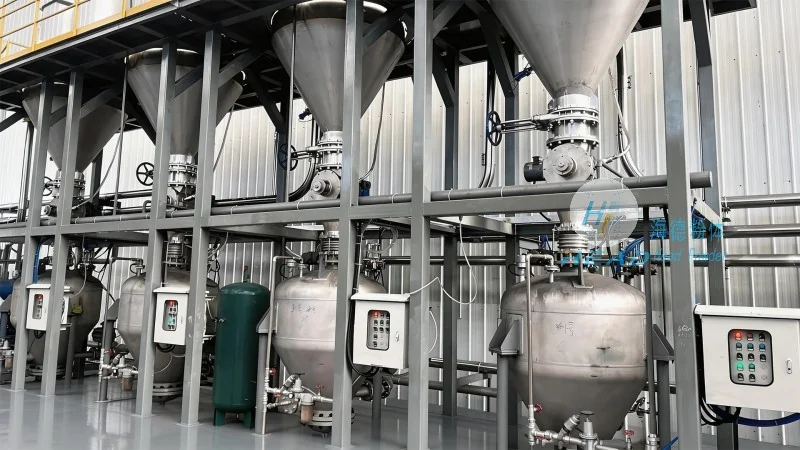
Hybrid Conveying Systems
Hybrid systems combine elements of gravity, pneumatic, and mechanical conveying to optimize performance. For example, a system might use gravity to move material over short distances and then switch to pneumatic conveying for longer or vertical sections. This approach leverages the strengths of each method while mitigating their weaknesses. Hybrid systems are particularly useful in complex production lines where different sections require different conveying technologies. They offer flexibility and can adapt to varying material flow rates and plant layouts. In a large-scale alumina processing plant, a hybrid system might integrate inclined chutes for initial transport, pneumatic conveyors for intermediate stages, and belt conveyors for final delivery to the production line.
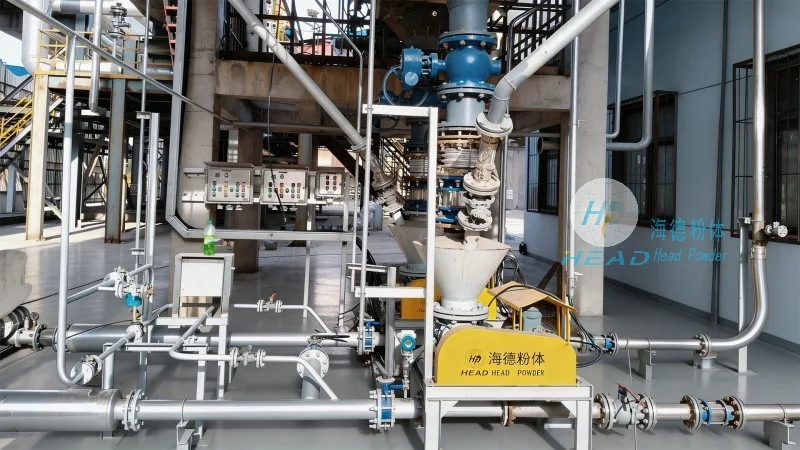
Factors Influencing Conveying Method Selection
The choice of alumina conveying method depends on several key factors, including the distance of material transport, the volume of material to be handled, the material's physical properties (such as particle size, density, and abrasiveness), and the available space and budget. For short-distance, low-volume applications, gravity systems may be sufficient. For longer distances or high-volume requirements, pneumatic or mechanical systems are often preferred. The abrasive nature of alumina also plays a critical role, as it can cause significant wear on equipment, making the selection of durable materials and components essential. Additionally, environmental regulations regarding dust control may influence the choice of conveying method, as pneumatic systems typically offer better dust containment compared to open gravity or mechanical systems.
Conclusion
Efficient alumina conveying is crucial for maintaining productivity and reducing operational costs in industrial applications. The selection of the appropriate conveying method requires a careful evaluation of the specific requirements of the production process. Gravity, pneumatic, mechanical, and hybrid systems each offer unique advantages and limitations. By understanding the characteristics of each method and considering factors such as distance, volume, material properties, and environmental constraints, industrial facilities can choose the most suitable conveying system for their needs. Shandong HeadPowder Engineering Co., Ltd. specializes in providing customized material handling solutions tailored to the unique demands of alumina processing, ensuring optimal performance and reliability in various industrial applications.




