HeadPowder, a leading manufacturer in the heavy calcium powder industry, specializes in providing efficient and reliable conveying solutions for various applications. This article aims to provide a detailed comparison of common heavy calcium powder conveying methods, helping clients make informed decisions based on their specific operational needs.
Introduction to Heavy Calcium Powder Conveying
Heavy calcium powder, also known as calcium carbonate powder, is widely used in industries such as plastics, paper, and coatings due to its high whiteness and excellent dispersion properties. The efficient transportation of this fine powder is crucial for maintaining production efficiency and product quality. Different conveying methods are suitable for different production scales, material characteristics, and environmental requirements. This article will compare three primary methods: pneumatic conveying, mechanical conveying, and hydraulic conveying.
Company Profile: Shandong HeadPowder Engineering Co., Ltd.
HeadPowder is a professional enterprise based in Shandong, China. With years of experience in the field, the company focuses on research, development, and production of high-quality heavy calcium powder and related conveying equipment. Our mission is to deliver innovative solutions that meet the evolving demands of the industry, ensuring optimal performance and customer satisfaction.
Pneumatic Conveying Systems
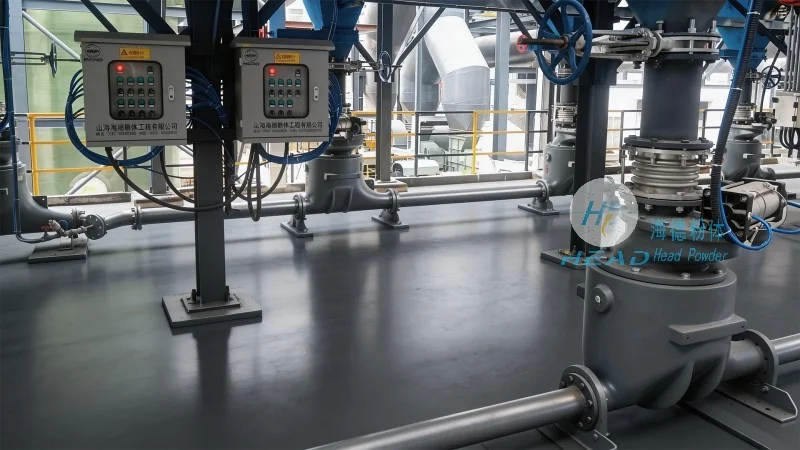
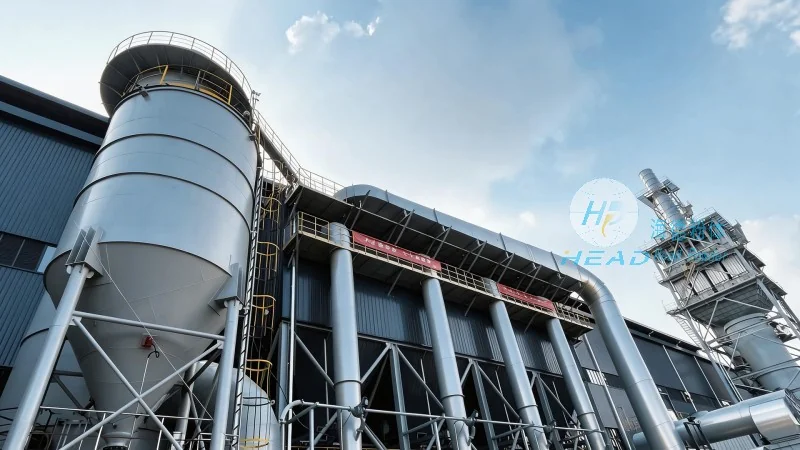
Pneumatic conveying, also known as air conveying, is a popular method for transporting heavy calcium powder due to its ability to handle fine powders over long distances. This method uses compressed air to move the powder through a pipeline system. There are two main types of pneumatic conveying: pressure and vacuum systems. Pressure systems are suitable for short to medium distances and high material flow rates, while vacuum systems are ideal for longer distances and lower flow rates. The advantages of pneumatic conveying include high efficiency, minimal material degradation, and the ability to handle multiple material types simultaneously. However, it requires a significant amount of energy and may generate dust if not properly sealed.
Mechanical Conveying Systems
Mechanical conveying systems use mechanical components such as belts, screws, and buckets to transport heavy calcium powder. The most common types are belt conveyors and screw conveyors. Belt conveyors are suitable for transporting bulk materials over short to medium distances and are commonly used in production lines for material transfer. Screw conveyors, also known as auger conveyors, are ideal for vertical or inclined material transport and can handle a wide range of powder characteristics. Mechanical conveying systems are generally more cost-effective and energy-efficient compared to pneumatic systems, especially for short-distance applications. However, they may cause more material degradation due to friction and are less suitable for fine powders that are prone to caking.
Hydraulic Conveying Systems
Hydraulic conveying systems use a liquid medium, typically water or a water-based solution, to transport heavy calcium powder. The powder is suspended in the liquid and pumped through a pipeline. This method is particularly effective for handling very fine powders and can transport materials over long distances with minimal pressure loss. The advantages of hydraulic conveying include high material handling capacity, low energy consumption, and the ability to handle abrasive materials. However, it requires a separate liquid handling system and may lead to increased moisture content in the powder, which can affect product quality if not properly dried.
Factors to Consider When Choosing a Conveying Method
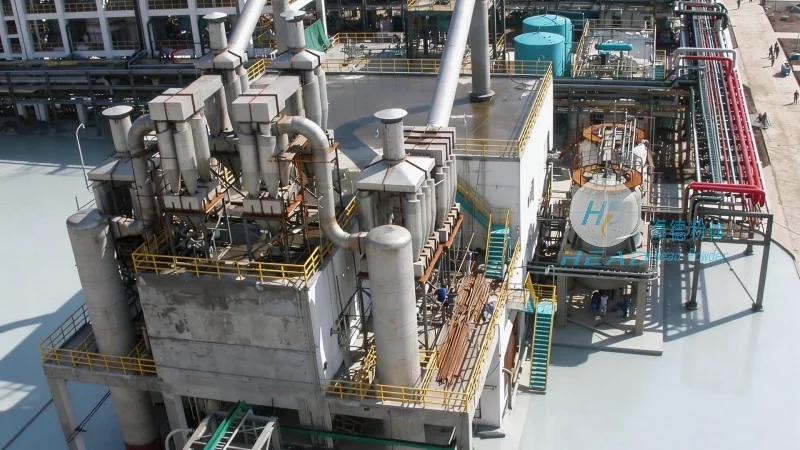
When selecting a conveying method for heavy calcium powder, several factors should be considered. These include the production scale, the distance over which the material needs to be transported, the material characteristics (such as fineness, moisture content, and abrasiveness), and the environmental regulations. For example, if the production scale is large and the distance is long, pneumatic conveying may be the most suitable option. For smaller-scale operations with short distances, mechanical conveying could be more cost-effective. The choice of method also depends on the specific application, as some industries may have strict requirements regarding dust control or material purity.
Conclusion
Choosing the right heavy calcium powder conveying method is essential for optimizing production efficiency and maintaining product quality. Pneumatic, mechanical, and hydraulic systems each have their own advantages and limitations. By carefully evaluating the operational requirements and material characteristics, businesses can select the most appropriate conveying system. HeadPowder, with its expertise and innovative solutions, is committed to providing tailored conveying solutions that meet the unique needs of each client. Whether you are a new or existing customer, we are here to help you find the best conveying method for your heavy calcium powder applications.




