Epoxy resin pneumatic conveying is a specialized method used to transport epoxy resin materials through a system that utilizes air or other gases as the conveying medium. This technology is widely adopted in industrial applications where the efficient and safe handling of epoxy resins is critical. The process involves the use of a vacuum or pressure system to move the resin from a source to a destination, often within manufacturing or processing facilities. By leveraging pneumatic principles, this method offers advantages such as reduced material handling risks, improved process control, and enhanced operational efficiency.
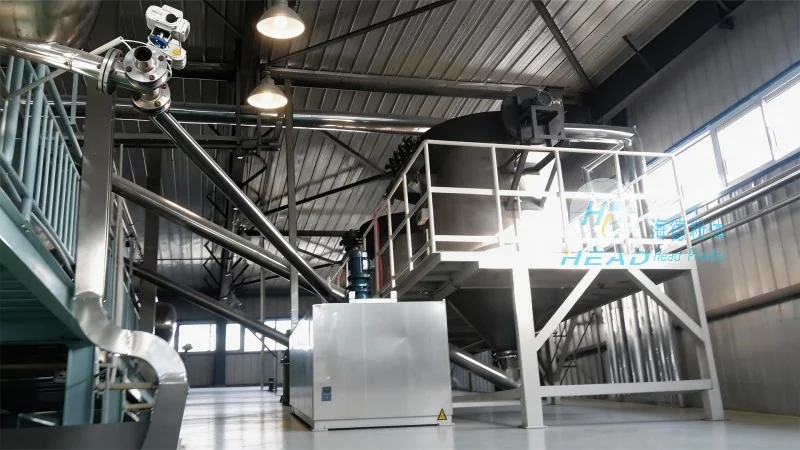
About HeadPowder: Your Trusted Partner in Pneumatic Conveying Solutions
HeadPowder, or Shandong HeadPowder Engineering Co., Ltd., is a leading company based in Shandong, China, dedicated to providing innovative and reliable pneumatic conveying solutions. With a strong commitment to quality and customer satisfaction, HeadPowder specializes in the design, manufacturing, and implementation of systems tailored to the unique needs of epoxy resin applications. The company's expertise spans various aspects of pneumatic conveying, ensuring that clients receive tailored solutions that meet their specific operational requirements.
The Core Design Principles of Epoxy Resin Pneumatic Conveying Systems
The design of an epoxy resin pneumatic conveying system is a complex process that requires careful consideration of several key factors to ensure optimal performance and reliability. The primary components of such a system typically include a material feed hopper, a conveying line (often equipped with special materials to prevent resin degradation), a control system, and a receiver or discharge unit. The choice of conveying method—whether vacuum or pressure—depends on the specific characteristics of the epoxy resin, the distance to be covered, and the overall system layout. For epoxy resins, which can be sensitive to moisture and temperature, the design must incorporate features that maintain the material's integrity throughout the conveying process.
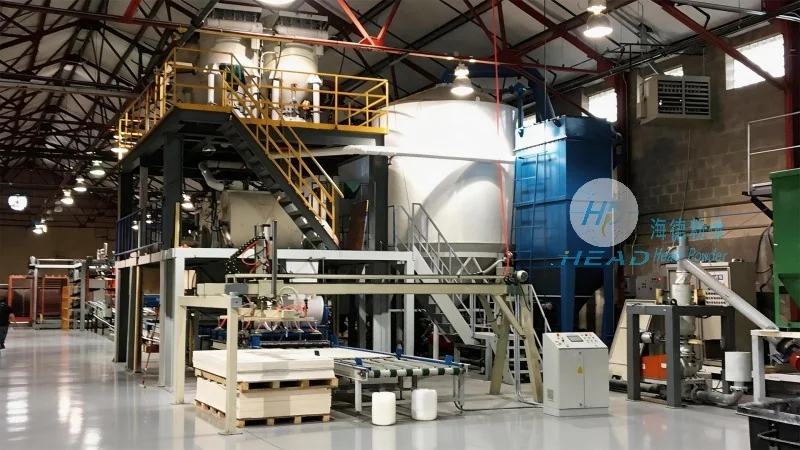
Key Design Considerations for Epoxy Resin Pneumatic Conveying
Several critical design considerations are essential when developing an epoxy resin pneumatic conveying system. First, the selection of the appropriate conveying medium and pressure/vacuum levels is crucial. High-pressure systems are often used for long-distance or high-volume conveying, while vacuum systems are suitable for shorter distances or when handling materials that are more easily entrained by air. Second, the material of construction for the conveying line and components is vital. Epoxy resins can be abrasive or corrosive, so materials like stainless steel, special alloys, or high-quality plastics are commonly used to prevent wear and maintain the purity of the resin. Third, the system must be equipped with effective filtration and separation mechanisms to prevent the buildup of particles or contaminants that could affect the quality of the final product. Additionally, the design should include safety features such as pressure relief valves and emergency shut-off systems to protect both personnel and equipment.
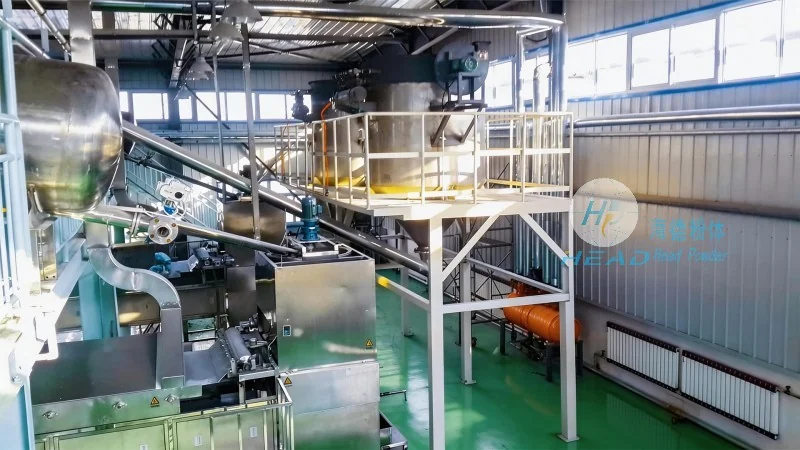
Advantages of Epoxy Resin Pneumatic Conveying
Epoxy resin pneumatic conveying offers several advantages over traditional material handling methods. One of the most significant benefits is the reduction in manual handling, which minimizes the risk of accidents and exposure to hazardous materials. The system also allows for better process control, as the flow rate and pressure can be precisely regulated to match the requirements of the application. This leads to improved consistency in the final product and reduced waste. Furthermore, pneumatic conveying systems are generally more compact and flexible compared to other methods, making them suitable for installation in facilities with limited space or where the layout may need to be adjusted over time. The ability to convey materials in a closed system also helps maintain a clean and controlled environment, which is particularly important in industries where contamination must be strictly avoided.
Applications of Epoxy Resin Pneumatic Conveying
Epoxy resin pneumatic conveying is utilized in a wide range of applications across various industries. In the manufacturing of coatings, adhesives, and composites, this technology is essential for transporting epoxy resins to mixing and processing units. The automotive industry relies on epoxy resin pneumatic conveying for the production of high-performance parts, where consistent material quality is paramount. The electronics sector also benefits from this method when handling epoxy resins used in encapsulation and potting applications. Additionally, in the construction industry, epoxy resins used for flooring and structural applications are often conveyed using pneumatic systems to ensure uniform distribution and quality. The versatility of the system makes it adaptable to different scales of production, from small-scale laboratory applications to large-scale industrial manufacturing.




