When it comes to handling and transporting stone powder, selecting the right conveying method is crucial for efficiency and cost-effectiveness. As a leading provider in the industry, Shandong HeadPowder Engineering Co., Ltd. (headpowder) offers a range of solutions tailored to meet diverse operational needs. This article provides a detailed comparison of common stone powder conveying methods, helping businesses make informed decisions.
Understanding the Importance of Efficient Conveying Systems
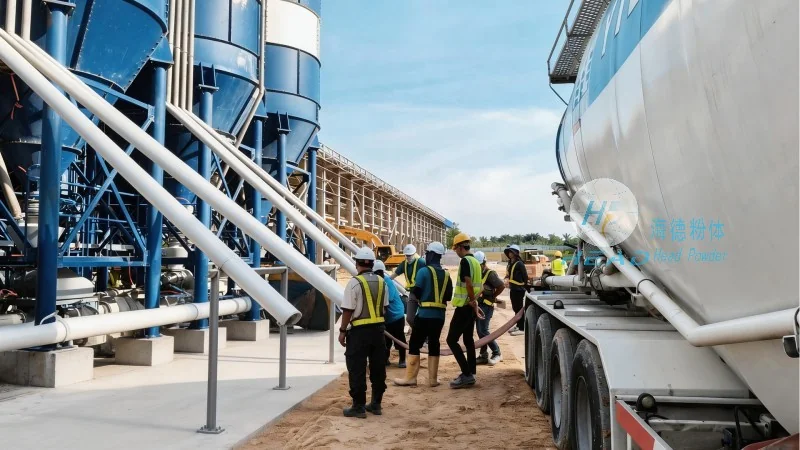
Efficient stone powder conveying systems are essential for maintaining smooth operations in construction, mining, and manufacturing industries. Proper selection ensures minimal material loss, reduced energy consumption, and enhanced safety. At headpowder, we recognize that each application has unique requirements, from bulk handling to precise delivery, which is why we offer tailored solutions that align with specific operational goals.
HeadPowder's Expertise in Stone Powder Handling
With years of experience in the field, headpowder specializes in designing and manufacturing high-quality conveying equipment for stone powder. Our team of engineers leverages advanced technology and industry best practices to develop systems that optimize performance while minimizing downtime. Whether you need a compact solution for a small-scale operation or a large-scale system for industrial use, headpowder delivers reliable and durable equipment that meets the highest standards.
Comparison of Common Conveying Methods
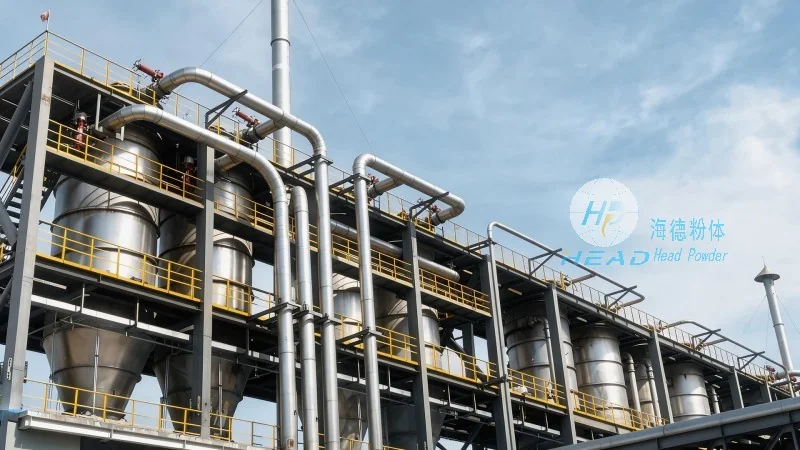
Several methods are commonly used for stone powder conveying, each with its own advantages and limitations. The choice of method depends on factors such as material characteristics, distance, volume, and environmental considerations. Below is a detailed comparison of the most prevalent options:
Belt Conveyors for Stone Powder
Belt conveyors are widely used for transporting stone powder due to their versatility and ability to handle large volumes over long distances. These systems consist of a continuous belt that moves material from the loading point to the discharge point. Belt conveyors are particularly effective for bulk materials like stone powder, as they can transport large quantities without the need for frequent maintenance. At headpowder, we offer customized belt conveyor solutions that can be adjusted to accommodate varying particle sizes and flow rates, ensuring optimal performance.
Screw Conveyors in Stone Powder Processing
Screw conveyors, also known as auger conveyors, are another popular choice for stone powder handling. These systems use a rotating screw to move material along a trough. Screw conveyors are ideal for applications requiring precise control over material flow, such as in processing plants where uniform material distribution is critical. They are particularly effective for handling dry, free-flowing materials like stone powder, as they can maintain consistent speeds and prevent material segregation. headpowder's screw conveyors are designed with durable materials and efficient drives to ensure long-term reliability.
Pneumatic Conveying Systems for Stone Powder
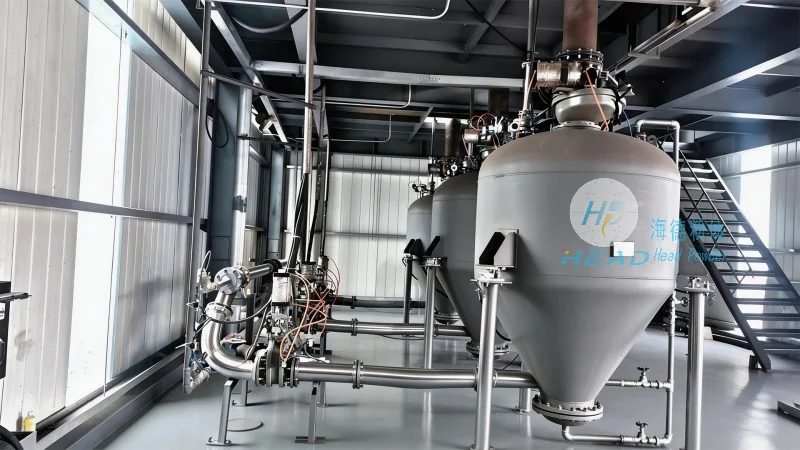
Pneumatic conveying systems use air or gas to transport stone powder through a pipeline. This method is particularly suitable for applications where dust control and contamination prevention are essential. Pneumatic conveyors can handle fine powders and are often used in food processing or pharmaceutical industries, though they are also applicable to stone powder applications. The key advantage of pneumatic systems is their ability to transport materials over moderate distances without the need for mechanical components at the discharge point. However, they may require higher energy input compared to other methods, and proper air filtration is necessary to maintain air quality.
Hydraulic Conveying Solutions for Stone Powder
Hydraulic conveying systems utilize water or other liquids to transport stone powder through a pipeline. This method is commonly used in mining operations where water is readily available and the material is heavy or abrasive. Hydraulic conveyors are effective for handling large volumes of material over long distances, as the liquid provides consistent pressure and flow. However, they require additional equipment for water management and may not be suitable for applications where water contamination is a concern. headpowder offers hydraulic conveying solutions that are designed to handle the unique challenges of stone powder, ensuring efficient and reliable operation.
Choosing the Right Conveying Method for Your Needs
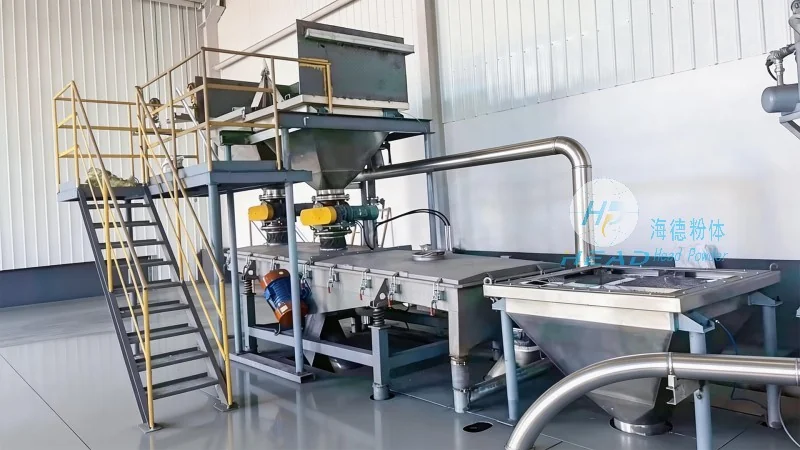
When selecting a stone powder conveying method, it is essential to consider several factors, including the material's properties, the distance to be covered, the required flow rate, and the operational environment. For example, belt conveyors are often preferred for long-distance bulk transport, while screw conveyors are ideal for precise material control. Pneumatic systems excel in applications requiring dust control, and hydraulic systems are suitable for heavy or abrasive materials. headpowder's team of experts can assist in evaluating your specific needs and recommending the most appropriate conveying method. By working with headpowder, you can ensure that your stone powder handling system is optimized for efficiency, durability, and cost-effectiveness.
Conclusion
Efficient stone powder conveying is a critical component of many industrial processes. By understanding the advantages and limitations of different conveying methods, businesses can select the most suitable solution for their operations. At Shandong HeadPowder Engineering Co., Ltd., we are committed to providing high-quality conveying systems that meet the unique needs of our clients. Whether you choose a belt conveyor, screw conveyor, pneumatic system, or hydraulic solution, headpowder delivers reliable and durable equipment that enhances productivity and reduces operational costs. Contact us today to learn more about our stone powder conveying solutions and how we can help optimize your operations.




