What is a Talc Powder Pneumatic Conveying System? And What Are Its Design Principles?
Release time:2026-09-14 10:53:34
name of the company:Shandong Headpowder Engineering Co., Ltd.
telephone:156-6277-7102
contacts:Zhang manager
Understanding the Talc Powder Pneumatic Conveying System and Its Design Principles
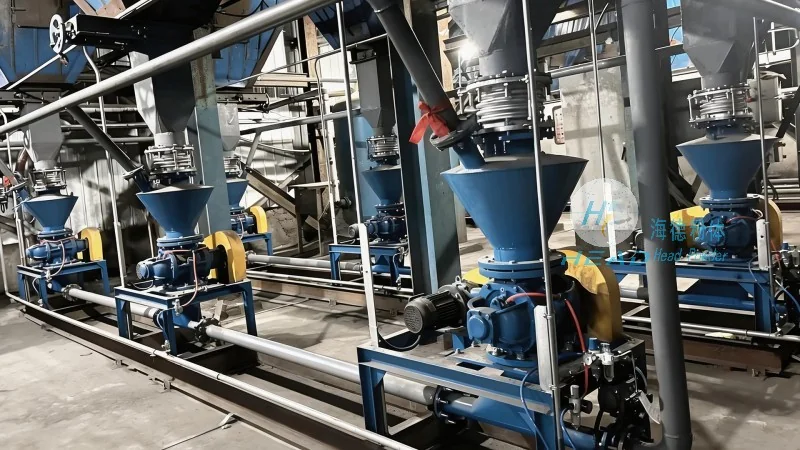
Introduction to Talc Powder Pneumatic Conveying Systems
For industries dealing with talc powder, efficient material handling is crucial. A talc powder pneumatic conveying system offers a reliable solution for transporting this fine powder from one location to another. This system uses air pressure to move the powder, eliminating the need for mechanical components like belts or buckets. The design of such a system is tailored to the specific characteristics of talc powder, ensuring optimal performance and minimal product degradation.
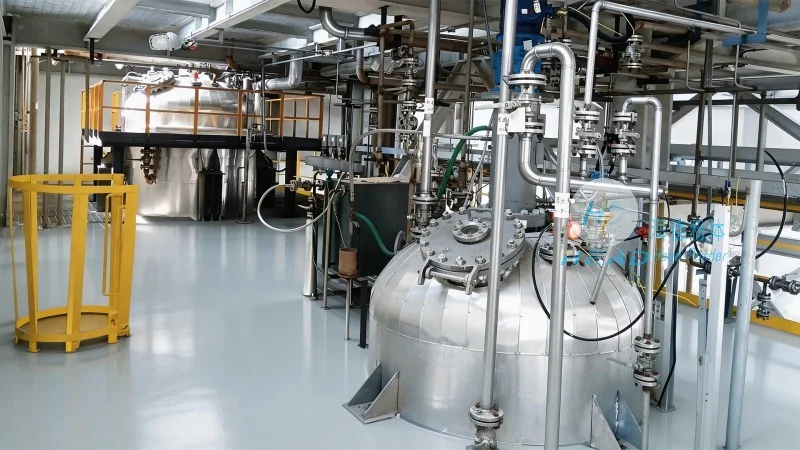
Key Components of a Talc Powder Pneumatic Conveying System
The core components of a talc powder pneumatic conveying system include the hopper, feeder, air compressor, pipeline, and receiver. The hopper stores the talc powder and feeds it into the system. The feeder regulates the flow rate of the powder into the pipeline. The air compressor generates the necessary air pressure to move the powder through the system. The pipeline transports the powder and air mixture, while the receiver collects the talc powder at the destination. Each component plays a vital role in the smooth operation of the system.
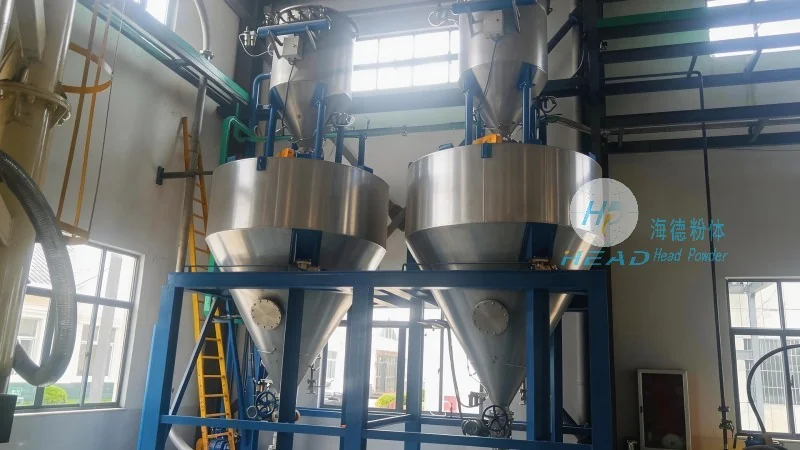
Working Principle of the Talc Powder Pneumatic Conveying System
The system operates by creating a pressure differential between the hopper and the receiver. The air compressor supplies compressed air into the pipeline, which is then mixed with the talc powder from the hopper. The air flow carries the powder particles through the pipeline to the receiver. The pressure drop in the pipeline causes the powder to be deposited in the receiver. This process is continuous as long as the air compressor is running and the hopper is supplied with talc powder.
Design Principles for Optimal Performance
Designing a talc powder pneumatic conveying system requires careful consideration of several factors to ensure efficiency and reliability. The first consideration is the flow rate of the talc powder, which depends on the particle size, density, and moisture content. The system must be designed to handle the specific flow rate without causing blockages or excessive pressure drops. The second factor is the air-to-powder ratio, which is the ratio of air volume to powder mass. An optimal ratio ensures that the powder is fully suspended and transported without excessive air consumption. The third factor is the pipeline design, including the diameter, length, and bends. The diameter must be large enough to prevent particle accumulation and pressure buildup. The length and bends must be minimized to reduce pressure losses and maintain the flow rate. The fourth factor is the receiver design, which must be equipped with a dust collection system to prevent powder leakage and maintain a clean environment.
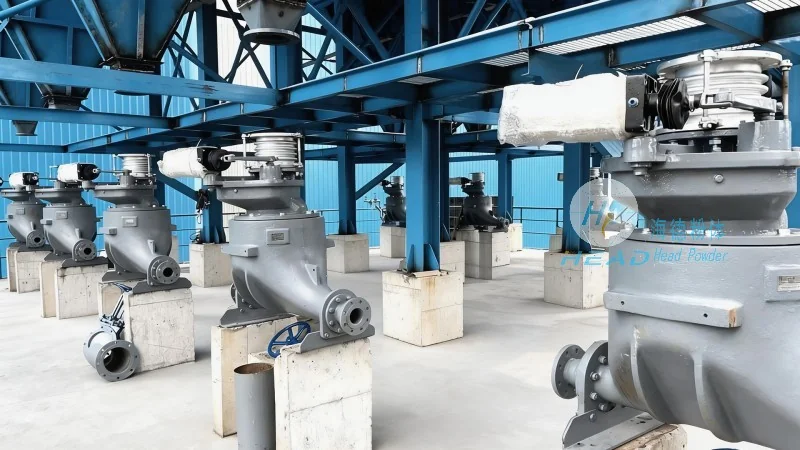
Benefits of Using a Talc Powder Pneumatic Conveying System
Implementing a talc powder pneumatic conveying system offers several benefits for industries. First, it provides a dust-free and hygienic environment, which is essential for food and pharmaceutical applications. Second, it reduces labor costs by automating the material handling process. Third, it minimizes product degradation by avoiding mechanical contact with the powder. Fourth, it increases production efficiency by ensuring a continuous and reliable flow of talc powder. These benefits make the system an attractive option for industries dealing with talc powder.




