Understanding the dry sludge pneumatic conveying system and its design principles is crucial for industries dealing with wastewater treatment and solid waste management. This technology offers an efficient method for transporting dry sludge, which is a byproduct of sewage treatment processes, from one location to another without the need for traditional mechanical equipment like pumps or conveyors.
What is a Dry Sludge Pneumatic Conveying System?
A dry sludge pneumatic conveying system is a type of industrial equipment designed to transport dry sludge particles through a pipeline using compressed air or other gas as the conveying medium. Unlike wet sludge handling, which involves water and often requires additional dewatering steps, dry sludge conveying systems operate by creating a low-pressure or high-pressure airflow that propels the sludge particles through the system. This method is particularly advantageous for applications where the sludge needs to be moved over long distances or through complex layouts without the risk of clogging or contamination.
Key Components of the System
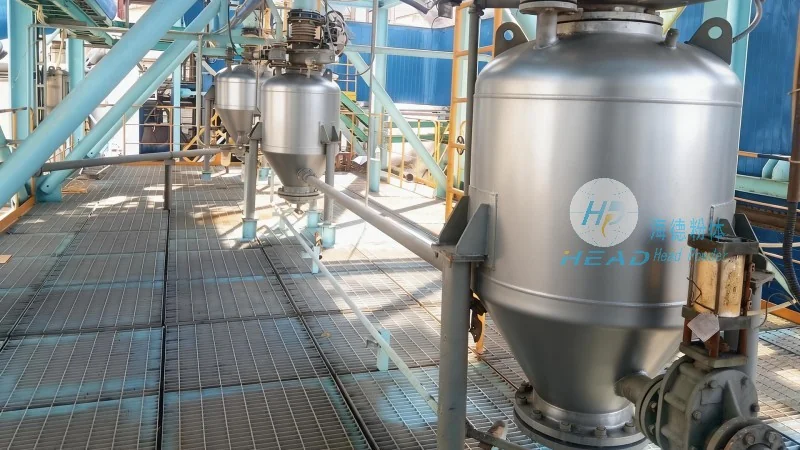
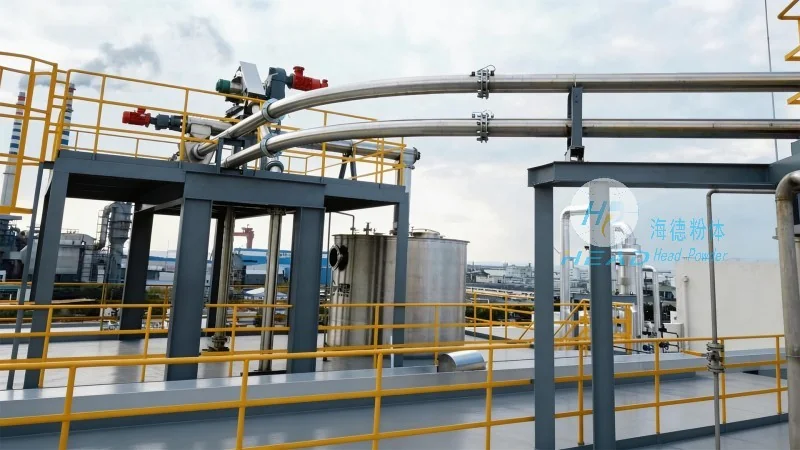
The dry sludge pneumatic conveying system consists of several critical components that work together to ensure efficient operation. These components include the sludge feeding mechanism, the conveying pipeline, the air or gas source (such as a blower or compressor), and the control system. The sludge feeding mechanism is responsible for introducing the dry sludge into the pipeline, often using a rotary valve or a hopper that regulates the flow rate. The conveying pipeline is typically made of materials like stainless steel or plastic, which are resistant to corrosion and can withstand the pressure and temperature variations during operation. The air source provides the necessary pressure to move the sludge particles, and the control system monitors and adjusts the airflow and sludge feed rate to maintain optimal performance.
Design Principles Behind the System
The design principles of a dry sludge pneumatic conveying system are centered on the fundamental physics of fluid dynamics and particle transport. The primary principle is the use of air or gas to create a drag force that overcomes the gravitational and frictional forces acting on the sludge particles. This is achieved by maintaining a specific air velocity within the pipeline that is sufficient to keep the particles suspended and moving forward. The design must also consider the particle size, density, and moisture content of the sludge, as these factors influence the required air pressure and flow rate. Additionally, the system must be designed to minimize pressure losses along the pipeline, which can be caused by bends, valves, or changes in pipe diameter. Proper design involves calculating the necessary air volume and pressure based on the sludge characteristics and the distance to be covered, ensuring that the system operates efficiently and economically.
Advantages of Using a Dry Sludge Pneumatic Conveying System
There are several advantages to using a dry sludge pneumatic conveying system in wastewater treatment and solid waste management applications. One of the main benefits is the ability to transport dry sludge over long distances without the need for intermediate storage or processing. This reduces the risk of odors and contamination, as the sludge remains dry throughout the process. Another advantage is the reduced maintenance requirements compared to traditional mechanical conveyors, as there are fewer moving parts and less wear and tear on the equipment. The system also offers flexibility in terms of layout, as the pipeline can be installed in various configurations to accommodate the specific needs of the facility. Furthermore, the dry sludge conveying system can be integrated with other treatment processes, such as dewatering or incineration, to create a more efficient and streamlined operation.
Applications in Wastewater Treatment
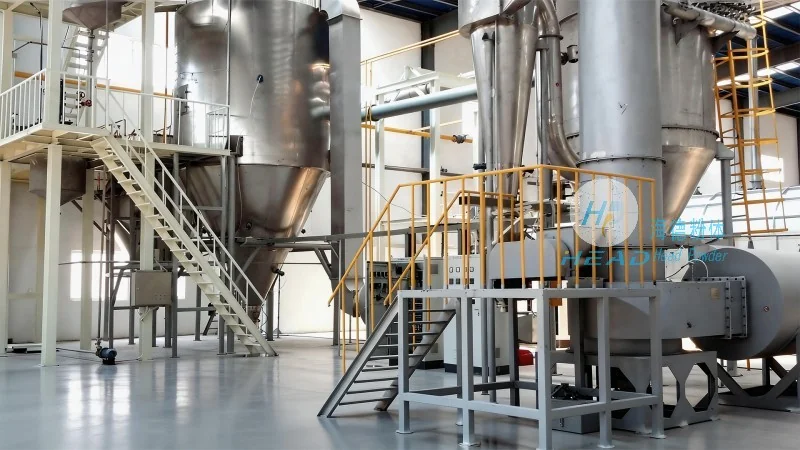
Dry sludge pneumatic conveying systems are widely used in wastewater treatment plants to transport dry sludge from the dewatering units to the final disposal or treatment facilities. The system is particularly useful in large-scale treatment plants where the sludge volume is high and the distance to be covered is significant. By using a pneumatic conveying system, the sludge can be moved safely and efficiently, reducing the need for manual handling and minimizing the risk of exposure to pathogens. The system also helps to maintain the quality of the sludge, as it remains dry and free from moisture, which can affect the subsequent treatment processes.
Company Introduction: Shandong HeadPowder Engineering Co., Ltd.
Shandong HeadPowder Engineering Co., Ltd., commonly known as HeadPowder, is a leading manufacturer of industrial equipment for sludge handling and waste management. With a focus on innovation and quality, HeadPowder has developed advanced dry sludge pneumatic conveying systems that meet the needs of various industries. The company is headquartered in Shandong, China, and has a strong presence in the global market, serving clients in different sectors with reliable and efficient solutions. HeadPowder's products are designed to be durable, efficient, and cost-effective, ensuring that customers receive equipment that enhances their operational performance. The company's team of engineers and technicians work closely with clients to understand their specific requirements and provide customized solutions that optimize the sludge handling process. HeadPowder is committed to providing high-quality products and excellent customer service, making it a trusted partner for businesses in the wastewater treatment and solid waste management sectors.




