When it comes to handling and transporting alumina powder, selecting the right conveying method is crucial for ensuring efficiency, safety, and cost-effectiveness in industrial operations. Alumina powder, widely used in ceramics, refractories, and other high-tech applications, presents unique challenges due to its fine particle size, abrasive nature, and potential for dust generation. The choice of conveying system directly impacts production throughput, equipment lifespan, and overall operational reliability. This article provides a detailed comparison of common alumina powder conveying methods, highlighting their advantages, limitations, and suitability for different industrial scenarios.
Introduction to Alumina Powder Conveying Challenges
Alumina powder, with its fine particle size and high density, requires specialized equipment to handle without clogging, degradation, or excessive wear. Traditional bulk material handling methods often fail to address the specific properties of alumina powder. For instance, gravity-based systems may not be suitable for vertical or long-distance transport, while mechanical systems like belt conveyors can suffer from high maintenance costs and material degradation. The need for efficient, reliable, and safe conveying solutions has driven the development of various technologies tailored to alumina powder characteristics. Understanding these challenges is essential for selecting the most appropriate conveying method for a given application.
Common Conveying Methods for Alumina Powder
A. Air-Pressure (Pneumatic) Conveying
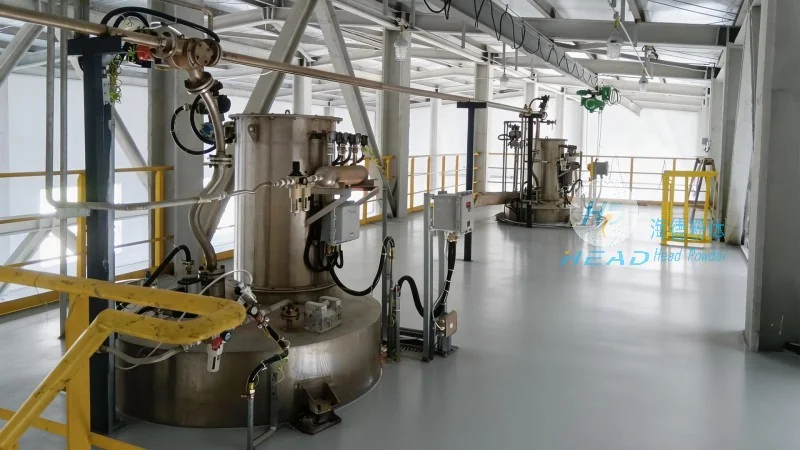
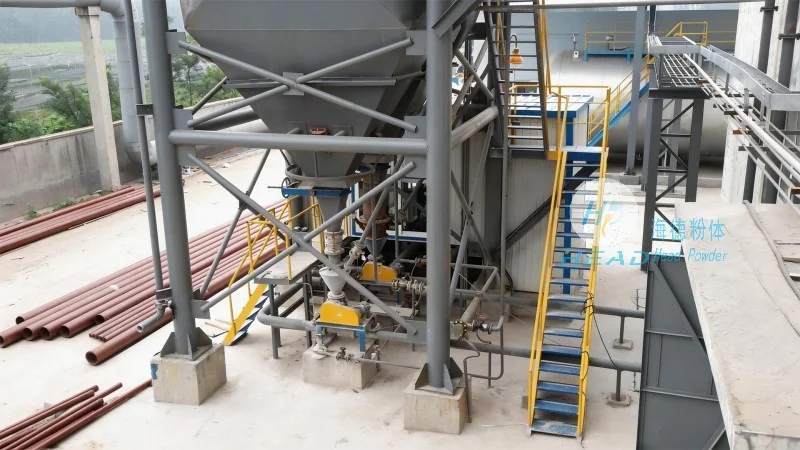
Air-pressure or pneumatic conveying is one of the most widely used methods for transporting alumina powder due to its ability to handle fine powders over long distances with minimal equipment wear. This method utilizes compressed air to create a flow of powder through a pipeline system. There are two primary types of pneumatic conveying: pressure and vacuum. Pressure conveying uses a positive pressure system where air is forced into the material, while vacuum conveying employs a negative pressure system by pulling air and material through a pipeline. The choice between pressure and vacuum depends on the distance, elevation changes, and material characteristics. For alumina powder, pressure conveying is often preferred for its higher capacity and ability to handle abrasive particles. The system typically includes a hopper, a rotary valve, a conveyor line, and a dust collector. The compressed air acts as the motive force, carrying the powder particles through the pipeline. Key advantages of pneumatic conveying include high efficiency for long-distance transport, low maintenance compared to mechanical systems, and the ability to handle abrasive materials without significant wear. However, it requires a reliable compressed air supply and can be less energy-efficient for short distances. The system also needs proper filtration to prevent dust emissions, which is critical for maintaining a safe working environment. HeadPowder, a leading provider of bulk material handling solutions, offers advanced pneumatic conveying systems specifically designed for alumina powder applications. These systems are engineered to handle the unique challenges of alumina, ensuring consistent performance and minimal downtime.
B. Screw (Auger) Conveying
Screw or auger conveying is a mechanical method that uses a rotating screw to move alumina powder through a tube or trough. This method is suitable for horizontal or slightly inclined transport over short to medium distances. The screw, typically made of stainless steel or other corrosion-resistant materials, rotates within a housing, pushing the powder forward. Screw conveyors are particularly effective for handling dry, free-flowing powders like alumina, as they can maintain a consistent flow without the need for additional air or power. One of the main advantages of screw conveying is its simplicity and low cost compared to pneumatic systems. It requires minimal maintenance and can be easily integrated into existing production lines. However, screw conveyors have limitations when dealing with very fine or cohesive powders, as they may experience clogging or reduced efficiency. The design of the screw and housing is critical to prevent material buildup and ensure smooth operation. For alumina powder, the screw pitch and flight design are optimized to minimize friction and wear, extending the equipment lifespan. HeadPowder’s screw conveying solutions are designed with durable materials and precise engineering to handle the abrasive nature of alumina, providing reliable and efficient transport for various industrial applications.
C. Pumping (Hydraulic) Conveying
Pumping or hydraulic conveying uses a pump to transport alumina powder in a slurry form. This method is particularly effective for vertical or high-pressure transport, as it can handle both horizontal and vertical distances with ease. The process involves mixing alumina powder with a liquid (such as water or a specialized carrier fluid) to create a slurry, which is then pumped through pipes using centrifugal or positive displacement pumps. The slurry is later separated from the liquid, typically through filtration or settling, to recover the dry powder. Pumping conveying is ideal for applications requiring high pressure or long vertical lifts, such as in mining or chemical processing. However, it has significant drawbacks, including the need for additional equipment for slurry preparation and separation, higher energy consumption, and potential for material degradation due to the liquid medium. The system also requires careful maintenance to prevent clogging and corrosion from the slurry. For alumina powder, the choice of pump and fluid is critical to avoid wear and ensure efficient transport. HeadPowder offers specialized pumping systems that can handle the abrasive and abrasive properties of alumina slurry, ensuring reliable performance and minimal maintenance.
D. Belt Conveying
Belt conveying is a traditional method used for transporting bulk materials, including alumina powder, over long horizontal distances. This method uses a continuous belt that moves over rollers, transporting the material from one point to another. Belt conveyors are highly efficient for large-scale operations and can handle high volumes of alumina powder. They are particularly suitable for horizontal transport and can be easily integrated with other equipment, such as storage silos or processing units. The main advantages of belt conveying include high capacity, low cost, and ease of installation. However, belt conveyors have limitations when dealing with fine powders, as they may experience dust generation and material spillage. The belt and rollers are also prone to wear from abrasive particles, requiring regular maintenance and replacement. For alumina powder, the belt material (such as rubber or synthetic) and the roller design are optimized to minimize wear and prevent material buildup. HeadPowder’s belt conveying systems are engineered with durable components to handle the abrasive nature of alumina, ensuring long service life and consistent performance.
Comparison and Selection Criteria
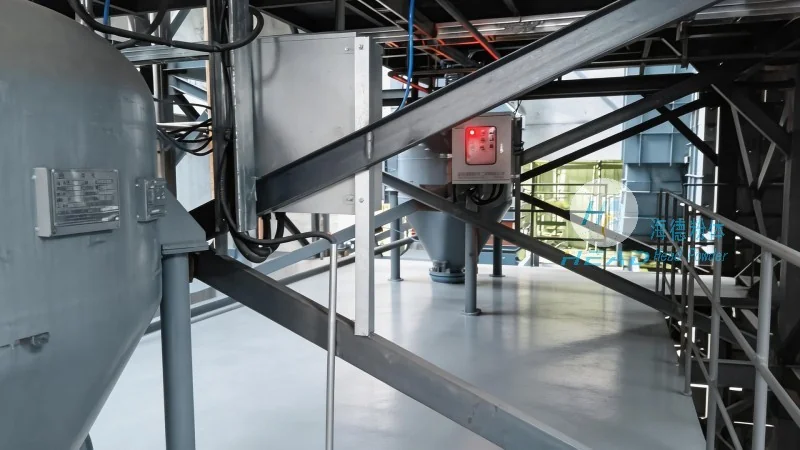
When selecting a conveying method for alumina powder, several factors must be considered to ensure the best fit for the application. The primary factors include the distance and elevation changes, the required capacity, the material characteristics (such as particle size and abrasiveness), the available space and budget, and the environmental regulations. Pneumatic conveying is generally preferred for long-distance or vertical transport due to its efficiency and ability to handle abrasive materials. Screw conveying is suitable for short to medium horizontal transport and offers low maintenance and cost. Pumping conveying is ideal for high-pressure or vertical transport but requires additional equipment and higher energy consumption. Belt conveying is best for large-scale horizontal transport but may have higher maintenance costs and dust issues. HeadPowder provides comprehensive solutions tailored to these factors, offering customized conveying systems that meet the specific needs of each industrial application. By understanding the advantages and limitations of each method, industries can select the most appropriate conveying system to optimize their alumina powder handling operations.
Conclusion
In conclusion, the choice of alumina powder conveying method significantly impacts the efficiency, safety, and cost-effectiveness of industrial operations. Each method has its own advantages and limitations, making it essential to evaluate the specific requirements of the application. Pneumatic conveying offers high efficiency and minimal wear for long-distance transport, screw conveying provides low maintenance for short distances, pumping conveying is suitable for high-pressure vertical transport, and belt conveying is ideal for large-scale horizontal transport. HeadPowder, with its expertise in bulk material handling, offers advanced solutions for each of these methods, ensuring reliable and efficient transport of alumina powder. By selecting the right conveying system, industries can enhance their production throughput, reduce operational costs, and maintain a safe working environment. The key to successful alumina powder handling lies in understanding the material properties and choosing the most appropriate conveying technology tailored to the specific application.




