When it comes to handling and transporting sodium hydroxide powder, selecting the right conveying method is crucial for efficiency, safety, and cost-effectiveness. This article provides a detailed comparison of common sodium hydroxide powder conveying methods, highlighting their features, applications, and suitability for different industrial scenarios. The information is presented by Shandong HeadPowder Engineering Co., Ltd., a leading provider in the field, based in Shandong, China.
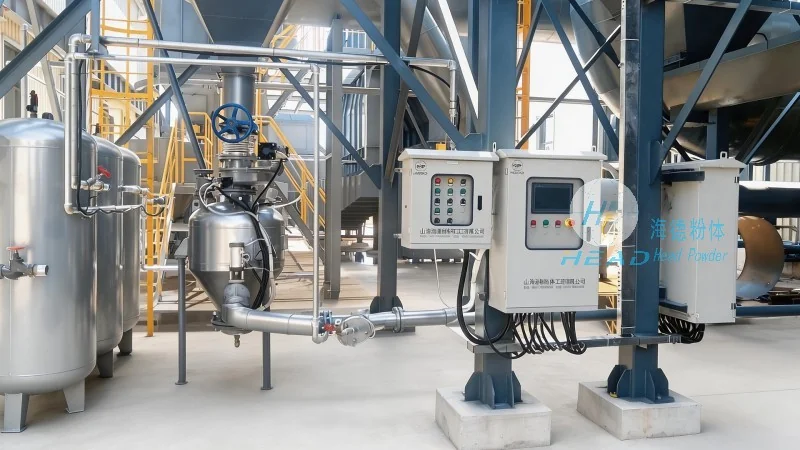
Overview of Sodium Hydroxide Powder Conveying Methods
Sodium hydroxide, also known as caustic soda, is a highly caustic and reactive chemical. Its powder form requires specialized handling to prevent dust exposure, contamination, and material degradation. Conveying systems must be designed to manage the material's properties, such as its hygroscopic nature and potential for caking, while ensuring safe and reliable transport. The following methods are widely used in industrial applications:
1. Pneumatic Conveying Systems
Pneumatic conveying, or air-based transport, is a popular method for sodium hydroxide powder due to its ability to handle fine powders and provide enclosed, dust-free transport. This system uses compressed air to move the powder through a pipeline. There are two main types: pressure and vacuum systems. Pressure systems push the material forward using positive pressure, while vacuum systems pull it using negative pressure. Pneumatic conveying offers advantages like low maintenance, flexibility in layout, and the ability to transport materials over long distances. However, it may require higher energy consumption and careful air filtration to prevent dust emissions. The system is particularly suitable for applications where dust control is critical, such as in food processing or pharmaceutical industries, though it can also be adapted for bulk chemical transport.
2. Screw Conveyors
Screw conveyors, also known as auger conveyors, are mechanical devices that use a rotating screw to move powder materials. The screw, typically made of stainless steel or other corrosion-resistant materials, is enclosed in a tube or trough. As the screw rotates, it pushes the sodium hydroxide powder forward. Screw conveyors are known for their simplicity, reliability, and ability to handle a wide range of materials, including those with high moisture content or tendency to cake. They are often used in vertical or inclined applications to elevate the powder, making them ideal for feed systems in processing plants. The design allows for enclosed transport, reducing dust exposure and contamination. However, screw conveyors may have limitations in handling very fine powders or materials that are prone to bridging, which can affect flow rates. Regular maintenance, such as cleaning and lubrication, is essential to ensure smooth operation.
3. Belt Conveyors
Belt conveyors use a continuous belt to transport sodium hydroxide powder. The belt, often made of rubber or other durable materials, moves over rollers or idlers, carrying the powder from one point to another. This method is suitable for horizontal or slightly inclined transport over long distances. Belt conveyors are commonly used in bulk material handling, such as in mining, agriculture, and chemical processing. They offer high capacity and can handle large volumes of powder efficiently. The enclosed design helps control dust and prevent material loss. However, belt conveyors require more space and may be less flexible than other systems. They are also susceptible to belt wear and tear, which can affect performance over time. Proper alignment and tensioning of the belt are critical to maintain consistent operation.
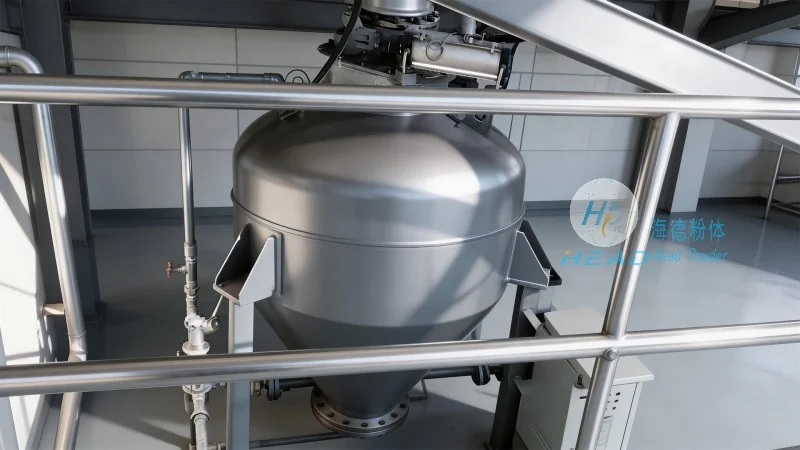
4. Hydraulic Conveying
Hydraulic conveying systems use a liquid medium, typically water or a mixture, to transport sodium hydroxide powder. The powder is suspended in the liquid and carried through pipelines. This method is effective for handling very fine or abrasive powders and can transport materials over long distances with minimal pressure loss. Hydraulic conveying offers advantages like low energy consumption and the ability to handle high volumes. However, it requires additional equipment for liquid management, such as pumps and filtration systems, and may be less suitable for applications where water contamination is a concern. The system is commonly used in industries where dust control is paramount, such as in the food and pharmaceutical sectors, but it may not be ideal for applications involving high temperatures or aggressive chemicals.
5. Bucket Elevators
Bucket elevators are vertical or inclined conveyors that use a chain or belt with attached buckets to lift and transport sodium hydroxide powder. The buckets are filled with the powder at the bottom and then travel up the elevator, discharging the material at the top. This method is highly efficient for vertical transport and is often used in feed systems where the powder needs to be elevated to a higher level. Bucket elevators are known for their high capacity and ability to handle bulk materials. They are enclosed, reducing dust exposure and contamination. However, they may have limitations in handling very fine powders or materials that are prone to bridging, which can cause blockages. Regular inspection and maintenance are necessary to ensure smooth operation and prevent material buildup.
Key Considerations for Selecting a Conveying Method
Choosing the right sodium hydroxide powder conveying method depends on several factors, including the material's properties, the required transport distance, the desired capacity, and safety considerations. The following aspects should be evaluated when selecting a system:
Material Properties: Sodium hydroxide powder is hygroscopic, meaning it absorbs moisture from the air, which can lead to caking or clumping. The conveying system must be designed to minimize exposure to moisture and maintain material flow. For example, pneumatic systems with enclosed pipelines can help prevent moisture absorption, while screw conveyors may require additional drying steps.
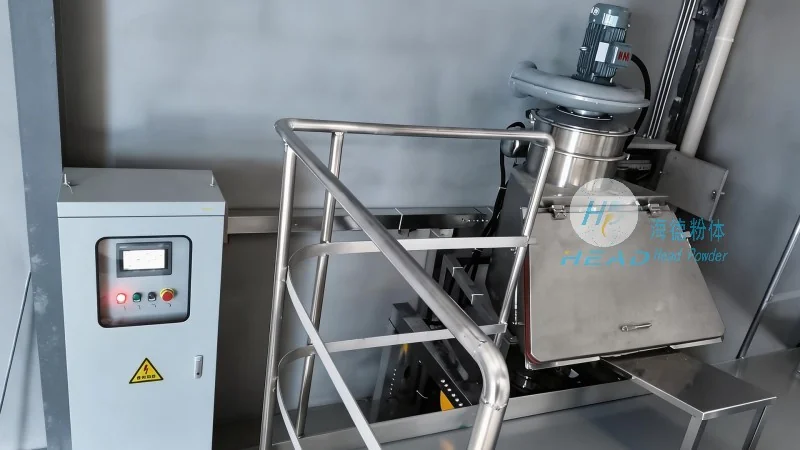
Transport Distance and Layout: The distance and layout of the facility will influence the choice of conveying method. Short distances may be suitable for screw or belt conveyors, while long distances or complex layouts may require pneumatic or hydraulic systems. The system's flexibility in adapting to the plant's layout is an important consideration.
Capacity and Throughput: The required capacity of the conveying system depends on the production rate and the volume of sodium hydroxide powder to be transported. High-capacity applications may benefit from belt or bucket elevators, while lower-capacity needs may be met by screw or pneumatic systems.
Safety and Environmental Factors: Sodium hydroxide is a caustic chemical, and handling it requires strict safety measures. The conveying system must be enclosed to prevent dust exposure and ensure operator safety. Additionally, the system should comply with environmental regulations regarding emissions and waste management. Dust collection systems and proper ventilation are essential components of any conveying system for this material.
Conclusion
Each sodium hydroxide powder conveying method has its own advantages and limitations, making the selection process critical for optimizing industrial operations. Pneumatic systems offer flexibility and dust control, screw conveyors provide reliability for vertical transport, belt conveyors handle high volumes horizontally, hydraulic systems manage fine powders, and bucket elevators excel in vertical lifting. By considering the material's properties, transport requirements, and safety needs, industries can choose the most suitable conveying method to ensure efficient, safe, and cost-effective handling of sodium hydroxide powder. Shandong HeadPowder Engineering Co., Ltd. specializes in providing tailored conveying solutions that meet the specific needs of clients, ensuring optimal performance and compliance with industry standards.




