HeadPowder, a leading manufacturer in the ceramic industry, specializes in providing efficient and reliable solutions for ceramic powder handling. This article provides a detailed comparison of common ceramic powder conveying methods, highlighting their advantages and disadvantages to help clients choose the most suitable option for their production needs.
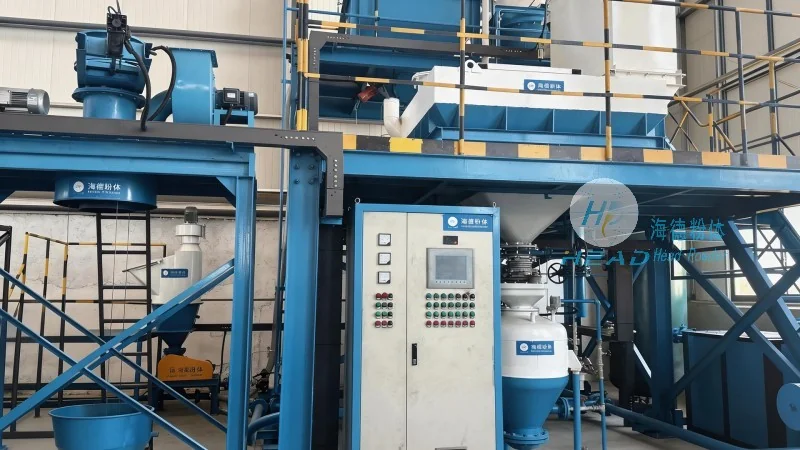
Introduction to Ceramic Powder Conveying
Ceramic powder is a critical raw material in various industries, including ceramics, electronics, and pharmaceuticals. Efficient and safe conveying of ceramic powders is essential to maintain product quality and ensure smooth production processes. Different conveying methods are available, each with its own set of advantages and limitations. Understanding these differences is crucial for selecting the right system for specific applications.
1. Pneumatic Conveying Systems
Pneumatic conveying is a widely used method for transporting ceramic powders due to its flexibility and ability to handle a wide range of particle sizes. This system uses compressed air to move powders through a pipeline. There are two main types: pressure and vacuum systems. Pressure systems are suitable for short distances and high volumes, while vacuum systems are ideal for long-distance and low-volume transport. The primary advantage of pneumatic conveying is its ability to handle fine powders without the need for mechanical components that could cause contamination or particle degradation. However, it has limitations, such as the need for high air pressure, which increases energy consumption, and the potential for dust accumulation in the system. Additionally, the system may not be suitable for abrasive or highly cohesive powders, as they can cause wear and tear on the pipes and valves.
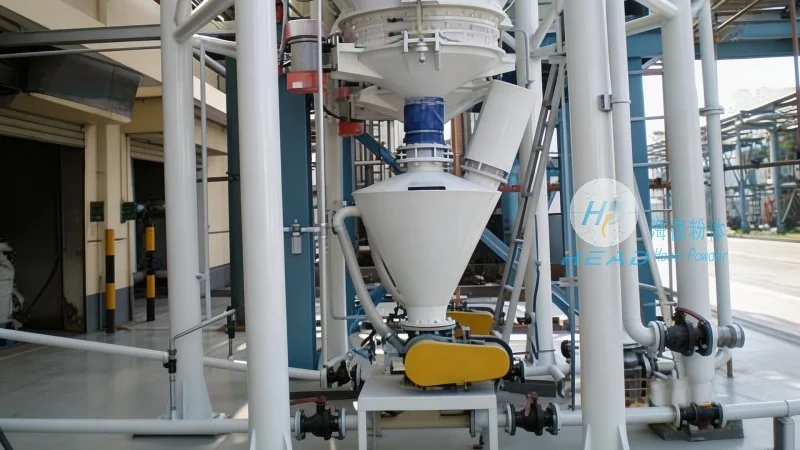
2. Mechanical Conveying Systems
Mechanical conveying systems, such as screw conveyors and belt conveyors, are commonly used for ceramic powder transport. These systems rely on mechanical components to move powders. Screw conveyors use a rotating screw to push powders forward, making them suitable for horizontal or slightly inclined transport. They are ideal for handling cohesive powders and can be used in both dry and wet environments. The main advantage of screw conveyors is their simplicity and low maintenance cost. However, they have limitations, including the risk of powder bridging and the potential for particle degradation due to friction. Belt conveyors, on the other hand, use a moving belt to transport powders and are suitable for longer distances and larger volumes. They are often used in combination with other equipment, such as hoppers and feeders. The advantages of belt conveyors include high capacity and the ability to handle abrasive materials. The disadvantages include the need for regular maintenance and the risk of belt damage from heavy or abrasive powders.
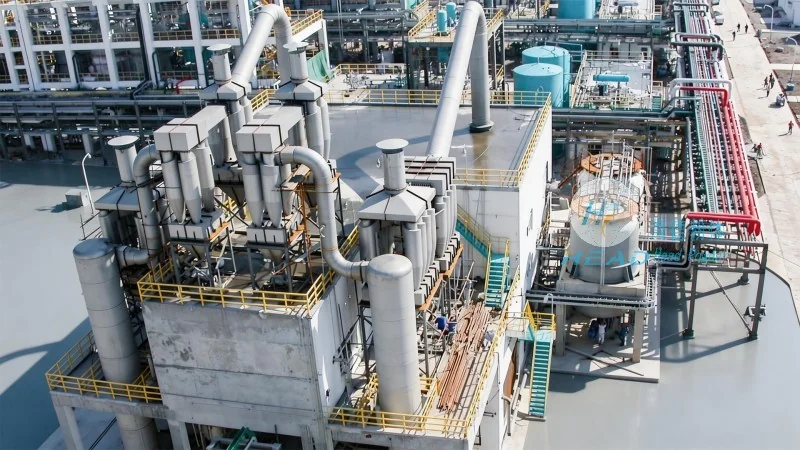
3. Hydraulic Conveying Systems
Hydraulic conveying systems use water or other liquids to transport ceramic powders. This method is particularly useful for handling fine powders and can be used for long-distance transport. The system consists of a pump, a pipeline, and a settling tank. The powder is mixed with water and pumped through the pipeline, where it settles and is separated from the liquid. The main advantage of hydraulic conveying is its ability to handle very fine powders and high volumes. It is also relatively low-cost compared to other methods. However, the system has significant disadvantages, including the need for a large amount of water, which increases operating costs and creates environmental concerns. Additionally, the system is not suitable for powders that are water-sensitive or that may react with the liquid. The process also requires additional equipment for water treatment and separation, increasing the overall complexity and cost of the system.
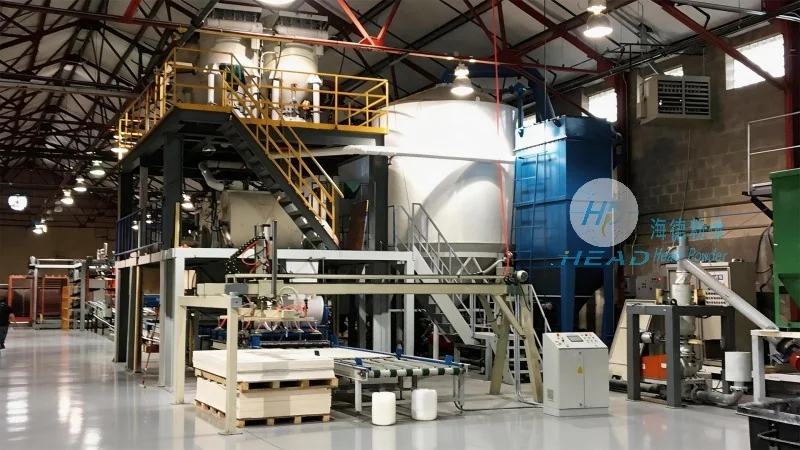
4. Gravity Conveying Systems
Gravity conveying systems rely on the natural force of gravity to move ceramic powders. These systems are typically used for short distances and are often integrated with other equipment, such as hoppers and chutes. The main advantage of gravity conveying is its simplicity and low energy consumption. It does not require any mechanical components or external power sources, making it an environmentally friendly option. However, the system has significant limitations, including the need for a suitable slope and the risk of powder bridging or segregation. Gravity conveying is not suitable for long-distance transport or for handling powders with high moisture content. Additionally, the system may not be able to handle large volumes or abrasive materials, as they can cause wear and tear on the chutes and hoppers.
Conclusion: Choosing the Right Conveying Method
When selecting a ceramic powder conveying method, it is essential to consider several factors, including the type of powder, the required distance, the volume of material, and the available budget. Pneumatic conveying is suitable for fine powders and short distances, while mechanical conveyors are ideal for handling cohesive powders and longer distances. Hydraulic systems are best for very fine powders and high volumes, but they require significant water usage. Gravity conveying is a low-cost option for short distances but has limited applications. HeadPowder provides a range of conveying solutions tailored to specific client needs, ensuring efficient and reliable powder handling in various industrial applications.




