When it comes to transporting dry sand in industrial settings, selecting the right conveying method is crucial for efficiency, cost-effectiveness, and operational safety. Different technologies offer varying benefits and drawbacks, making it essential to understand the characteristics of each approach. This article provides a detailed comparison of common dry sand conveying methods, highlighting their advantages and disadvantages, to help industrial operators make informed decisions.
Introduction to Dry Sand Conveying Methods
Dry sand, often used in construction, mining, and manufacturing, requires reliable and efficient transport systems to move it from one location to another. The choice of conveying method depends on factors such as material properties, distance, volume, and environmental considerations. Below, we explore three primary methods: pneumatic conveying, screw conveyors, and belt conveyors.
Pneumatic Conveying: Advantages and Disadvantages
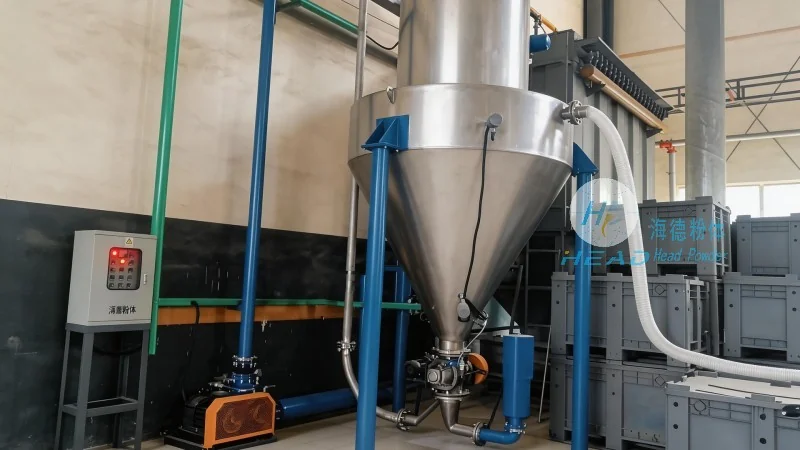
Pneumatic conveying uses air pressure to transport dry sand through a pipeline. This method is highly flexible and can handle a wide range of particle sizes and moisture levels. One of the key advantages is its ability to transport materials over long distances without the need for multiple transfer points. Additionally, it can be integrated with other processing equipment, such as mixers or classifiers, to create a seamless production line.
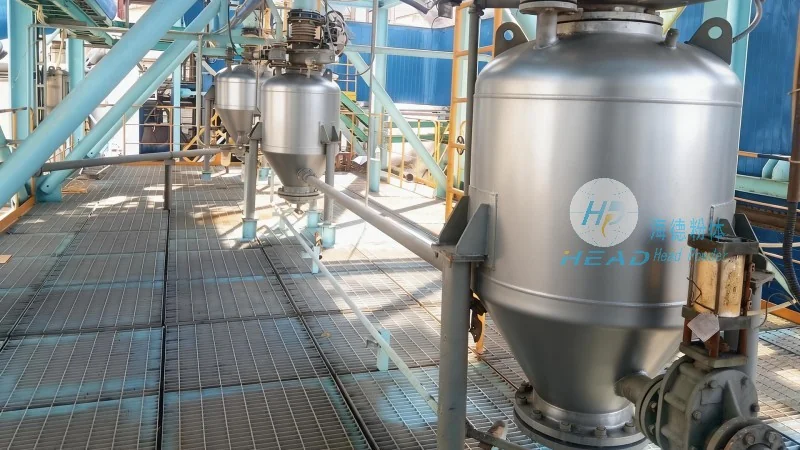
However, pneumatic conveying has notable disadvantages. It requires significant energy input to generate the necessary air pressure, leading to higher operational costs. Moreover, the system is prone to blockages if the sand is too fine or contains high moisture content, which can cause system downtime and maintenance issues. The initial investment for a pneumatic conveying system is also relatively high compared to other methods.
Screw Conveyors: Advantages and Disadvantages
Screw conveyors, also known as auger conveyors, use a rotating screw to move dry sand along a trough. This method is simple in design and relatively low-cost to install. It is particularly effective for transporting materials over short to medium distances and is suitable for handling bulk materials with minimal segregation.
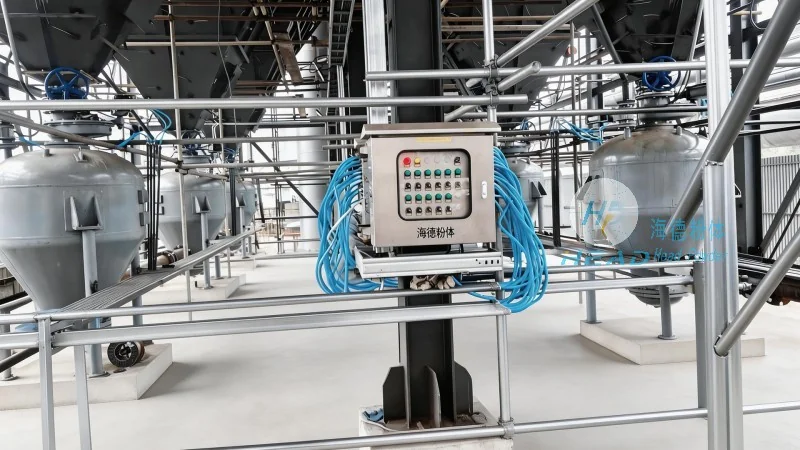
Despite its simplicity, screw conveyors have limitations. They are not ideal for long-distance transport due to the wear and tear on the screw and trough, which can lead to increased maintenance costs over time. Additionally, the method is less efficient for handling very fine or cohesive materials, as they may stick to the screw or trough, causing uneven flow and potential blockages.
Belt Conveyors: Advantages and Disadvantages
Belt conveyors use a continuous belt to transport dry sand, often in open or enclosed systems. This method is highly effective for moving large volumes of material over long distances and is commonly used in mining and construction applications. One of the main advantages is its high capacity and ability to handle heavy loads without significant energy consumption.
However, belt conveyors have drawbacks related to maintenance and safety. The system requires regular inspection and replacement of the belt, which can be costly and time-consuming. Additionally, the risk of material spillage or belt damage from sharp objects or abrasive sand can lead to operational disruptions. The initial setup cost is also higher compared to screw conveyors, especially for large-scale applications.
Choosing the Right Conveying Method for Dry Sand
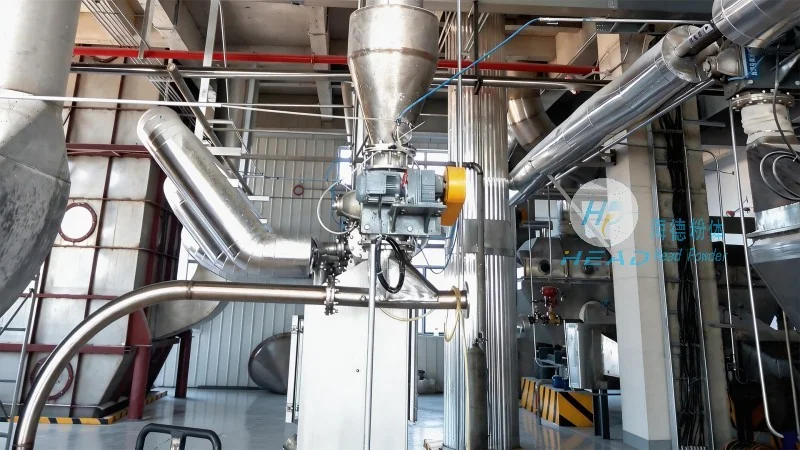
When selecting a dry sand conveying method, industrial operators must consider several factors, including the distance to be covered, the volume of material, the particle size and moisture content, and the budget constraints. Pneumatic conveying is best suited for long-distance transport and integration with processing equipment, while screw conveyors are ideal for short to medium distances and simple material handling. Belt conveyors excel in high-volume, long-distance applications but require more maintenance.
Shandong HeadPowder Engineering Co., Ltd., a leading provider of dry sand conveying solutions, offers customized systems tailored to the specific needs of industrial clients. With years of experience in the field, the company ensures that its equipment is designed to maximize efficiency and minimize operational costs, regardless of the chosen method.




