Seasoning powder conveying systems are essential in the food processing industry, particularly for the efficient and hygienic transportation of various spice and flavoring powders. These systems are designed to handle the unique challenges associated with powder materials, such as dust generation, caking, and flow variability. Understanding the components and design principles of such systems is crucial for optimizing production efficiency and maintaining product quality. This article explores the fundamental aspects of seasoning powder conveying systems, including their key components, operational mechanisms, and the critical design considerations that ensure reliable performance.
Key Components of a Seasoning Powder Conveying System
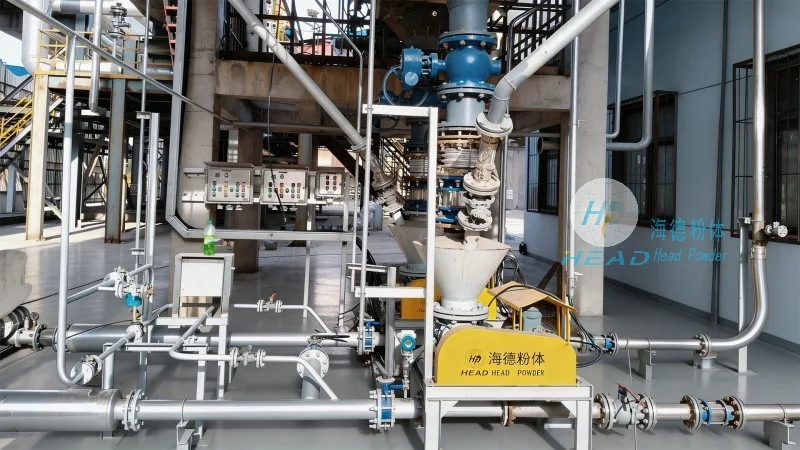
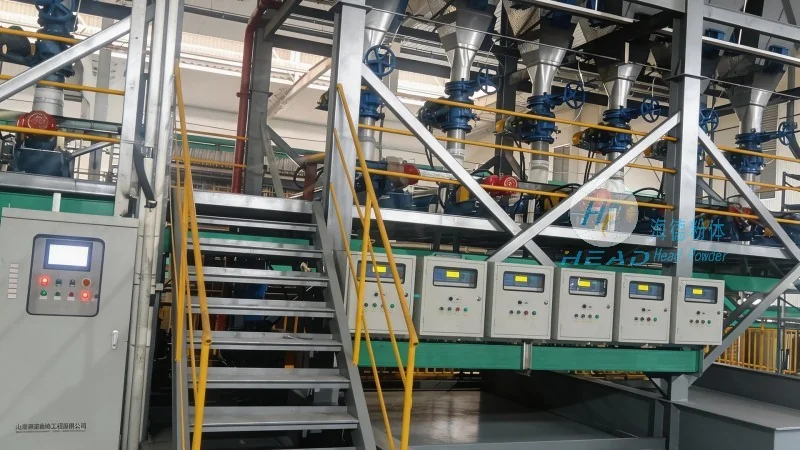
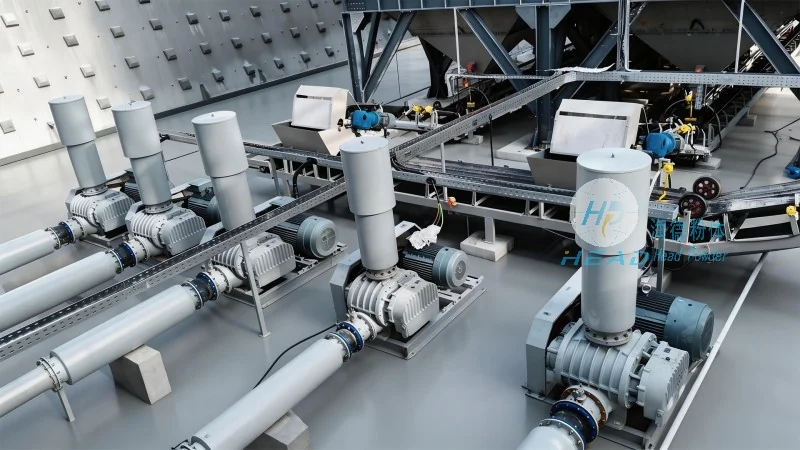
The core components of a seasoning powder conveying system typically include a hopper for material storage, a feeder to control the flow rate, a conveyor mechanism (like a screw or pneumatic system), and a control panel for monitoring and adjusting operations. The hopper is designed to minimize material degradation by reducing exposure to air and light, while the feeder ensures a consistent and controlled feed rate, preventing overloading or underfeeding. The conveyor mechanism is the heart of the system, responsible for transporting the powder from the source to the destination. In many applications, pneumatic conveying systems are preferred due to their ability to handle fine powders and minimize contamination risks. These systems use compressed air to move the powder through a pipeline, which can be more hygienic and efficient than mechanical systems in certain scenarios. The control panel allows operators to adjust parameters like air pressure, flow rate, and conveyor speed, ensuring optimal performance and preventing system failures.
Design Principles for Optimal Performance
The design of a seasoning powder conveying system must consider several factors to ensure it meets the specific needs of the application. First, material properties are critical. Seasoning powders vary in particle size, density, and moisture content, which affect how they flow and behave in the system. For example, fine powders may require a different conveying method than coarse powders to prevent clogging or uneven flow. The system design must account for these variations to maintain consistent performance. Second, hygienic design is paramount in food processing. Components such as hoppers, feeders, and conveyors are often made from stainless steel or other food-grade materials to prevent contamination and facilitate cleaning. The system should also be designed with smooth surfaces and minimal dead zones to reduce the accumulation of powder and prevent bacterial growth. Third, energy efficiency is a key consideration. The system should be designed to minimize energy consumption while maintaining the required conveying capacity. This can be achieved through optimized air pressure settings, efficient conveyor designs, and regular maintenance to prevent performance degradation. Fourth, scalability is important for businesses that may need to expand their operations. The system should be designed with modular components that can be easily upgraded or expanded to accommodate increased production volumes without significant redesign. Finally, safety is a critical aspect of system design. Proper ventilation, explosion-proof features (if necessary), and emergency stop mechanisms are essential to protect operators and prevent accidents. The design must comply with relevant safety standards and regulations to ensure the system is safe to operate.
Application Examples and Benefits
Seasoning powder conveying systems are widely used in various food processing applications, including the production of sauces, seasonings, and other flavoring products. For instance, in a spice processing plant, these systems can transport ground spices from storage to mixing equipment, ensuring a consistent and uniform blend. In a seasoning manufacturing facility, the system can convey various flavoring powders to a blending line, where they are mixed with other ingredients to create custom seasoning blends. The benefits of using a well-designed conveying system include improved production efficiency, reduced labor costs, and enhanced product quality. By ensuring a consistent flow of powder, the system minimizes downtime and reduces the risk of product contamination. Additionally, the hygienic design of the system helps maintain product safety and compliance with regulatory standards. The ability to control the flow rate and conveyor speed allows for precise dosing of ingredients, which is crucial for maintaining the desired flavor profile in the final product. Overall, a properly designed seasoning powder conveying system can significantly enhance the productivity and quality of food processing operations.
Conclusion and Company Overview
In conclusion, seasoning powder conveying systems are vital components in the food processing industry, designed to efficiently and safely transport powder materials. The design principles, including consideration of material properties, hygienic standards, energy efficiency, scalability, and safety, are essential for ensuring optimal performance. These systems play a crucial role in improving production efficiency and maintaining product quality in seasoning and spice manufacturing. Shandong HeadPowder Engineering Co., Ltd., a leading provider of powder handling solutions, specializes in designing and manufacturing customized conveying systems tailored to the specific needs of food processing industries. With a focus on quality, innovation, and customer satisfaction, HeadPowder offers advanced solutions that enhance operational efficiency and product safety. Based in Shandong, China, the company leverages its expertise in powder technology to deliver reliable and efficient conveying systems for seasoning and other powder applications. By partnering with HeadPowder, food processing businesses can improve their production processes, reduce costs, and maintain compliance with industry standards.




