Desulfurization and dust removal processes in power plants and industrial facilities generate large volumes of fly ash, a fine powder that requires efficient and reliable transportation to storage or disposal sites. The fly ash powder conveying system is a critical component in managing this material, ensuring safe and effective handling of the byproduct. This article explores the fundamental aspects of such systems, including their design principles and operational considerations.
Key Components and Functionality of the Powder Conveying System
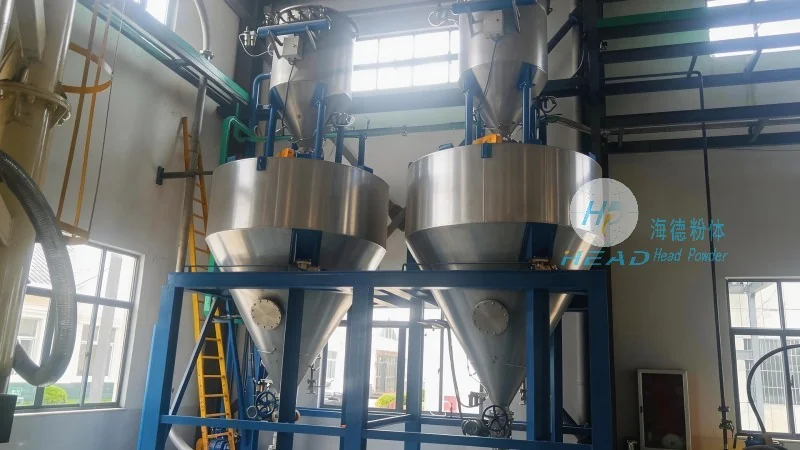
The desulfurization and dust removal fly ash powder conveying system typically consists of several key components that work in tandem to transport the material. These include feed hoppers, conveyor belts or screw conveyors, dust collection systems, and control panels. The feed hopper is responsible for collecting the ash from the dust removal equipment, while the conveyor mechanism transports the material to the storage silo or other processing facilities. Dust collection systems are integrated to prevent airborne particles from escaping, maintaining environmental compliance and worker safety. Control panels allow operators to monitor and adjust the system's performance, ensuring optimal operation under varying load conditions.
Design Principles for Efficient Material Handling
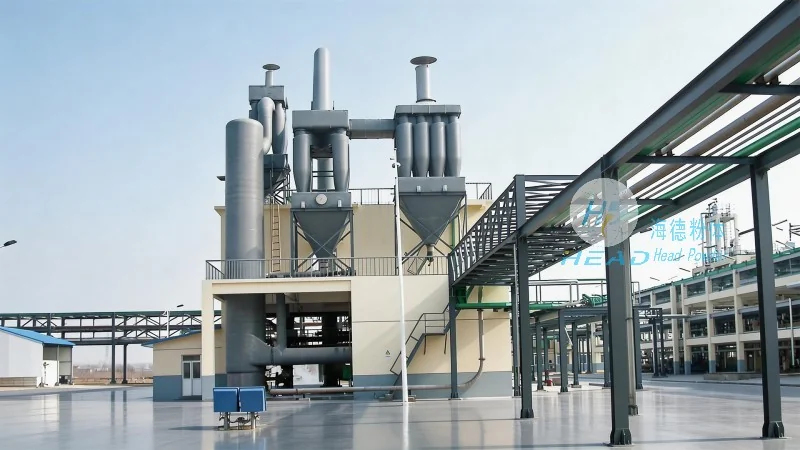
The design of a desulfurization and dust removal fly ash powder conveying system is guided by several key principles aimed at maximizing efficiency, minimizing downtime, and ensuring safety. One of the primary principles is the use of appropriate conveyor technology that can handle the abrasive and fine nature of fly ash. Screw conveyors and pneumatic conveying systems are commonly used, with screw conveyors being suitable for horizontal or slight incline transport, while pneumatic systems are ideal for longer distances or vertical transport. The system's design also considers the material's flow characteristics, including its density, moisture content, and particle size distribution, to prevent blockages and ensure consistent flow. Additionally, the system incorporates features such as vibration feeders and airlocks to maintain a steady feed rate and prevent material buildup, which can lead to system failures.
Material Handling Considerations and Environmental Compliance
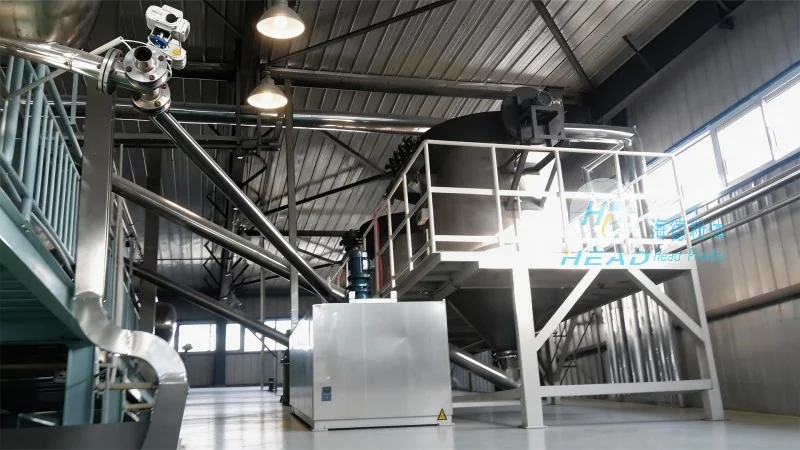
Effective management of fly ash powder requires not only efficient conveying but also adherence to environmental regulations. The system's design incorporates dust suppression measures, such as water sprays or enclosed conveyor systems, to minimize emissions and comply with air quality standards. Material handling considerations also include the prevention of material degradation, as excessive moisture or air exposure can affect the ash's properties and usability. The system's components are constructed from materials resistant to corrosion and abrasion, ensuring long-term durability and reducing maintenance costs. Furthermore, the design prioritizes worker safety by incorporating safety interlocks and monitoring systems that alert operators to any anomalies or potential hazards.
About Shandong HeadPowder Engineering Co., Ltd.
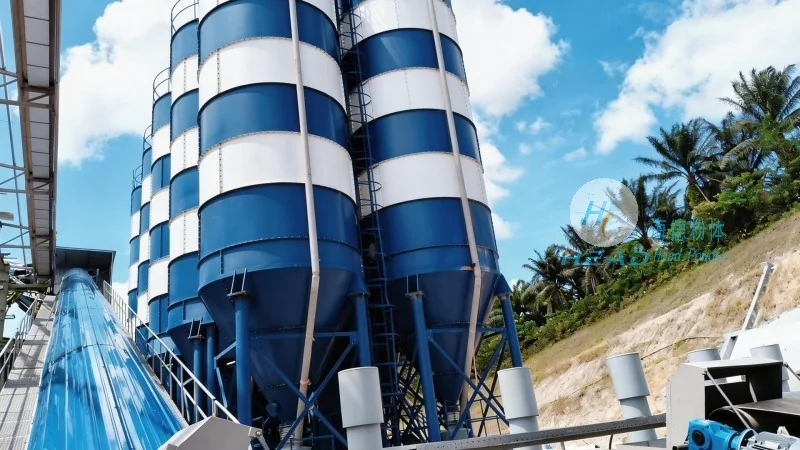
Shandong HeadPowder Engineering Co., Ltd., commonly known as headpowder, is a leading provider of engineering solutions for powder handling systems. With a focus on innovation and customer-centric design, the company specializes in developing customized solutions for industrial applications, including desulfurization and dust removal systems. HeadPowder's expertise lies in integrating advanced technology with practical engineering to deliver reliable and efficient systems that meet the unique needs of each client. The company's commitment to quality and sustainability ensures that its products not only enhance operational efficiency but also contribute to environmental protection and regulatory compliance.




