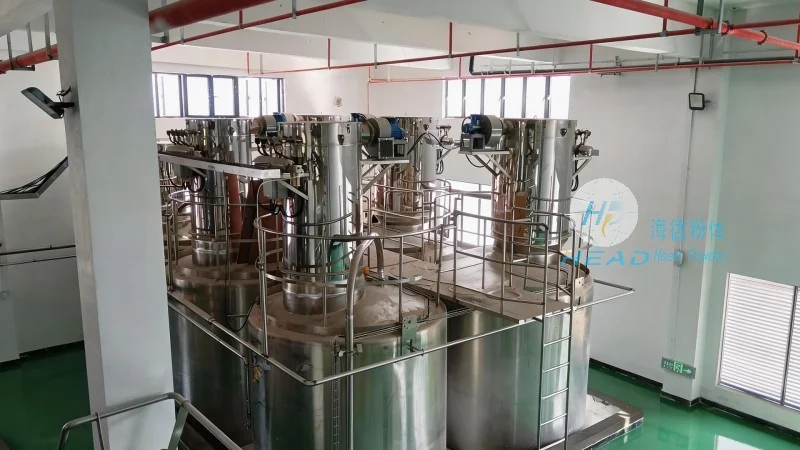
Activated carbon powder conveying systems are critical components in various industrial applications, particularly in processes that require the efficient transport of activated carbon, a material widely used for its adsorption properties. These systems are designed to handle the unique challenges associated with the handling of fine powders, ensuring reliable and consistent operation. Understanding the design principles behind such systems is essential for optimizing performance and maintaining system integrity.
Introduction to Activated Carbon Powder Conveying Systems
Activated carbon, a porous carbon material, is extensively utilized in industries like water treatment, air purification, and chemical processing due to its ability to adsorb impurities and contaminants. The efficient conveyance of activated carbon powder from storage to processing units is crucial for maintaining operational efficiency and product quality. Conveying systems for activated carbon must address issues such as dust generation, material segregation, and the need for gentle handling to preserve the material's integrity. This article explores the fundamental design principles that underpin the functionality of activated carbon powder conveying systems, with a focus on the technical aspects that ensure reliable operation.
About Shandong HeadPowder Engineering Co., Ltd.
HeadPowder, the brand name of Shandong HeadPowder Engineering Co., Ltd., is a leading manufacturer and supplier of specialized powder handling equipment. With a strong presence in China, particularly in Shandong province, the company has established itself as a trusted partner for industries requiring advanced solutions for powder transport and processing. HeadPowder's expertise lies in designing and manufacturing systems that meet the specific demands of activated carbon handling, ensuring high efficiency, low maintenance, and compliance with industry standards. The company's commitment to quality and innovation has made it a preferred choice for clients seeking reliable and effective powder conveying solutions.
Key Design Principles of Activated Carbon Powder Conveying Systems
The design of an activated carbon powder conveying system involves several critical principles aimed at optimizing performance and addressing the unique characteristics of the material. These principles include:
1. Gentle Material Handling to Preserve Adsorption Properties
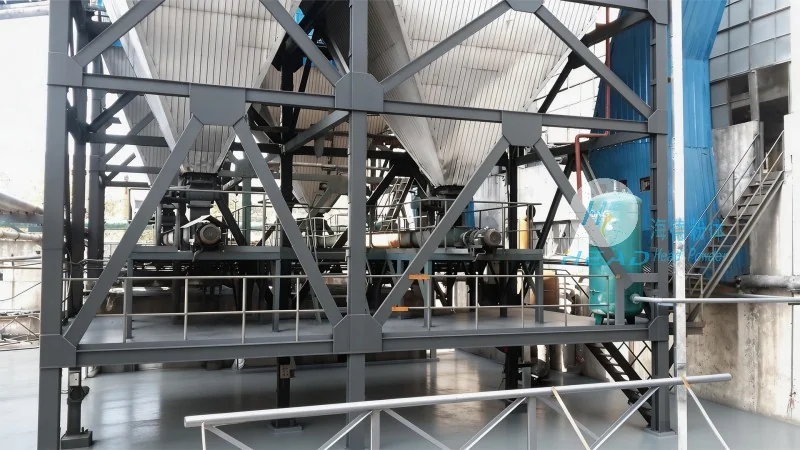
Activated carbon's effectiveness in adsorption is highly dependent on its surface area and structural integrity. Conveying systems must minimize mechanical stress and abrasion to prevent the degradation of these properties. This is achieved through the use of low-speed, low-pressure conveying methods, such as pneumatic conveying with soft materials or mechanical conveyors with smooth, non-abrasive components. The design also incorporates features like flexible hoses and smooth piping to reduce friction and prevent particle breakage.
2. Effective Dust Control and Environmental Protection
Handling fine powders like activated carbon generates significant dust, which poses health and environmental risks. Conveying systems are equipped with advanced dust control measures, including sealed enclosures, filtration systems, and proper ventilation. These features ensure that the material is contained within the system, preventing airborne particles from escaping into the environment. The design also considers the need for easy maintenance and cleaning of dust collection systems to maintain operational efficiency and compliance with environmental regulations.
3. Efficient Material Transport and Low Pressure Drop
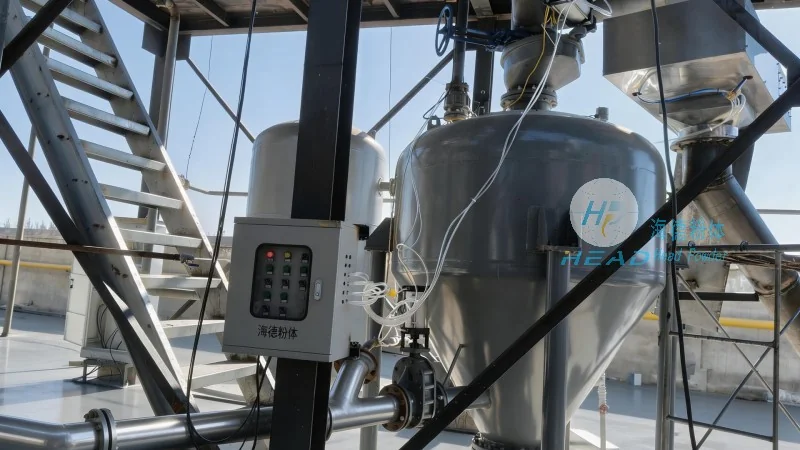
Optimizing the flow of activated carbon powder requires balancing the need for high transport efficiency with minimal energy consumption. The design of the conveying system focuses on reducing pressure drop, which is crucial for maintaining consistent flow rates and minimizing energy costs. This is achieved through the use of appropriate pipe diameters, smooth internal surfaces, and efficient air or gas flow management. The system's design also considers the material's density and flow characteristics, ensuring that the conveying velocity is sufficient to prevent settling but not excessive, which could lead to increased energy consumption or equipment wear.
4. System Integration and Compatibility with Processing Units
An activated carbon powder conveying system must be seamlessly integrated with the downstream processing units to ensure smooth operation. The design considers factors such as the connection points, material compatibility, and the need for precise dosing or feeding. This includes the use of specialized valves, feeders, and control systems that can handle the specific properties of activated carbon, such as its tendency to stick to surfaces or form agglomerates. The system's design also allows for easy integration with existing infrastructure, minimizing installation time and costs.
Conclusion
Activated carbon powder conveying systems are complex yet essential components in industries that rely on activated carbon for purification and treatment processes. The design principles outlined above are critical for ensuring the reliability, efficiency, and safety of these systems. By prioritizing gentle material handling, effective dust control, efficient transport, and seamless integration, manufacturers like Shandong HeadPowder Engineering Co., Ltd. can deliver systems that meet the demanding requirements of modern industrial applications. As industries continue to seek more sustainable and effective solutions, the importance of well-designed activated carbon powder conveying systems will only grow, making them a key focus for innovation and development in powder handling technology.




