When it comes to handling glass slag, selecting the right conveying method is crucial for efficiency and safety in industrial operations. Glass slag, a byproduct of glass manufacturing processes, requires specialized equipment to transport it from one location to another. This article provides a detailed comparison of common glass slag conveying methods, highlighting their advantages and disadvantages to help industrial facilities make informed decisions.
Overview of Glass Slag and Conveying Challenges
Glass slag, also known as glass cullet or waste glass, is a solid waste generated during the production of glass products. It often contains sharp edges and abrasive particles, making it challenging to handle. Conveying glass slag requires equipment that can withstand wear and tear while ensuring minimal material loss and operational safety. The choice of conveying method depends on factors such as the volume of slag, the distance it needs to be transported, the environment (e.g., indoor or outdoor), and the budget available for the system. As a leading provider of industrial conveying solutions, Shandong HeadPowder Engineering Co., Ltd. specializes in designing and manufacturing equipment for handling glass slag and other bulk materials, helping industrial facilities optimize their operations and reduce costs.
1. Belt Conveyor System: Traditional and Versatile
Belt conveyors are one of the most widely used methods for transporting bulk materials, including glass slag. This system consists of a continuous loop of material (usually rubber or PVC) that moves over rollers or pulleys. The belt is driven by a motor, and the slag is placed on the belt, which then transports it to the desired location. The primary advantage of belt conveyors is their high capacity and ability to transport materials over long distances with minimal maintenance. They are also relatively low-cost and can handle a wide range of particle sizes and shapes.
However, belt conveyors have several drawbacks when used for glass slag. The sharp edges of the slag can cause wear and tear on the belt and rollers, leading to higher maintenance costs over time. Additionally, belt conveyors are not suitable for vertical or steep incline transport, as the material may slip or fall off the belt. They also require regular cleaning to prevent the accumulation of dust and debris, which can affect the efficiency of the system.
2. Pneumatic Conveying System: Air-Driven Efficiency
Pneumatic conveying systems use air pressure to transport glass slag through a pipeline. This method is particularly effective for transporting fine or powdery glass slag over moderate distances. The system typically consists of a hopper, a blower, and a pipeline with a series of valves and filters. The glass slag is fed into the hopper, and the blower creates a vacuum or pressure that moves the material through the pipeline to the destination.
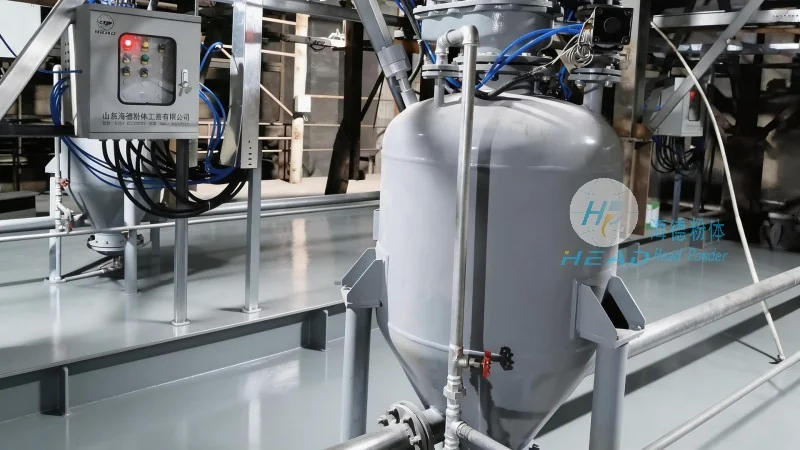
One of the main advantages of pneumatic conveying is its ability to transport materials in a closed system, which reduces dust emissions and improves safety. It is also suitable for transporting materials in a vertical or horizontal direction, making it versatile for various applications. Pneumatic systems are relatively quiet and can handle materials with high moisture content, which is common in glass slag.
Despite these benefits, pneumatic conveying has significant disadvantages. The system requires high air pressure, which increases energy consumption and operational costs. The pipelines can be prone to clogging, especially with larger or irregularly shaped glass slag particles. Additionally, the system is less efficient for transporting large volumes of material compared to other methods, and the maintenance of the blower and filters can be costly.
3. Screw Conveyor (Auger Conveyor): Compact and Reliable
Screw conveyors, also known as auger conveyors, use a rotating screw to move glass slag through a tube or trough. This method is ideal for transporting materials in a vertical or horizontal direction, and it is particularly effective for handling fine or granular glass slag. The screw, which is made of durable materials like stainless steel or rubber, rotates and pushes the material forward, similar to an Archimedes screw.
The main advantage of screw conveyors is their compact design, which makes them suitable for installations with limited space. They are also relatively low-cost and easy to install and maintain. Screw conveyors can handle a wide range of particle sizes and can be used in both indoor and outdoor environments.
However, screw conveyors have limitations when used for glass slag. The sharp edges of the slag can cause wear on the screw and the tube, leading to increased maintenance costs. They are not suitable for transporting large volumes of material or materials with high moisture content, as the screw may become clogged. Additionally, the system is less efficient for vertical transport compared to other methods, and the speed of the conveyor is limited by the size of the screw.
4. Hydraulic Conveying System: High-Pressure and High-Capacity
Hydraulic conveying systems use high-pressure water or other fluids to transport glass slag through a pipeline. This method is particularly effective for transporting large volumes of material over long distances, especially in applications where other methods are not feasible. The system consists of a pump, a pipeline, and a control system that regulates the flow of the fluid and the material.
One of the key advantages of hydraulic conveying is its high capacity and ability to transport materials over long distances with minimal energy consumption. It is also suitable for transporting materials with high moisture content or abrasive particles, as the fluid helps to lubricate the pipeline and reduce wear. Hydraulic systems are relatively quiet and can be integrated with other industrial processes.
However, hydraulic conveying has significant drawbacks. The system requires high-pressure pumps and robust pipelines, which increase the initial cost and maintenance requirements. The pipelines can be prone to corrosion and clogging, especially with glass slag that contains sharp edges. Additionally, the system is not suitable for vertical transport and requires a continuous supply of fluid, which can be a challenge in remote or off-grid locations.
5. Vibrating Conveyor: Gentle and Low-Wear
Vibrating conveyors use vibrations to move glass slag through a trough or tube. This method is particularly effective for transporting materials with high moisture content or delicate particles, as the vibrations help to prevent material buildup and reduce wear on the equipment. The system consists of a trough or tube that is mounted on a vibrating frame, and the material is fed into the trough, which is then moved forward by the vibrations.
The main advantage of vibrating conveyors is their gentle handling of materials, which reduces the risk of damage to the slag or the equipment. They are also relatively low-cost and easy to install and maintain. Vibrating conveyors can handle a wide range of particle sizes and can be used in both indoor and outdoor environments.
However, vibrating conveyors have limitations when used for glass slag. The system is not suitable for transporting large volumes of material or materials with sharp edges, as the vibrations may cause the material to become airborne and increase dust emissions. They are also less efficient for vertical transport compared to other methods, and the maintenance of the vibrating mechanism can be costly.
Choosing the Right Conveying Method for Glass Slag
When selecting a glass slag conveying method, industrial facilities must consider several factors to ensure optimal performance and cost-effectiveness. The volume and characteristics of the glass slag, such as particle size, moisture content, and sharpness, are critical factors. The distance and direction of transport, as well as the available space and budget, also play a significant role.
Belt conveyors are a good choice for long-distance horizontal transport of large volumes of glass slag, while pneumatic systems are ideal for moderate distances and fine materials. Screw conveyors are suitable for compact installations and vertical or horizontal transport of fine or granular slag. Hydraulic systems are best for high-capacity, long-distance transport, especially in applications where other methods are not feasible. Vibrating conveyors are recommended for gentle handling of materials with high moisture content or delicate particles.
It is also important to consider the maintenance requirements and operational costs of each system. Belt and screw conveyors require regular maintenance to prevent wear and tear, while pneumatic and hydraulic systems require more frequent maintenance of the pumps and filters. The choice of conveying method should be based on a thorough analysis of the specific needs of the industrial facility to ensure the most efficient and cost-effective solution.




